Evaluating Bunion Splints: Comfort, Fit, and Realistic Correction Expectations
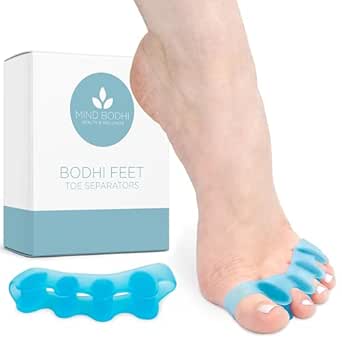
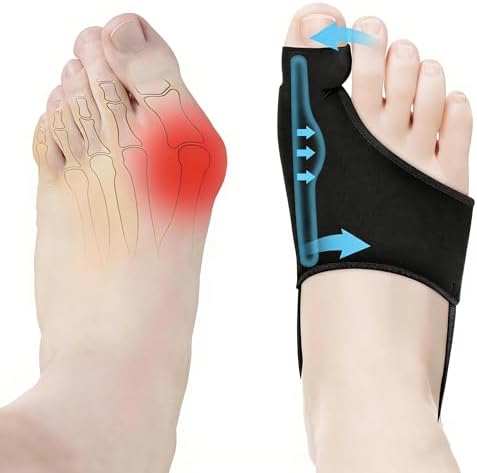
This 2-piece bunion corrector set combines a rigid splint for nighttime alignment with softer spacers for daytime wear, offering a dual-approach to hallux valgus management. Buyers should understand that these devices primarily provide symptomatic relief and gentle realignment rather than permanent correction, with effectiveness heavily dependent on consistent use and proper sizing.
Key Considerations Before Buying
- The dual-design approach requires evaluating both components: the rigid splint's adjustability for overnight wear and the spacer's comfort for extended daytime use.
- Material breathability is critical since these devices contact sensitive, often inflamed skin for prolonged periods, especially with the 'day/night' usage claim.
- Realistic expectations about correction timelines are essential—bunion progression develops over years, so noticeable improvement requires months of consistent wear, not weeks.
What Our Analysts Recommend
Quality bunion correctors feature adjustable tension systems that allow gradual increases in pressure without compromising circulation. Examine the hinge points and strap attachments for durability, as these areas experience repeated stress during application and removal. The spacer component should maintain its shape after compression to provide consistent toe separation.
Bunion Pads Market Context
Market Overview
The bunion corrector market is saturated with products making similar claims, ranging from simple silicone sleeves to rigid orthopedic splints, creating confusion about efficacy. Recent trends show increased consumer interest in combination products like this one that offer both corrective and protective functions. Price points vary widely, but mid-range products like this typically compete on material quality and comfort features rather than medical certification.
Common Issues
Many users report sizing inconsistencies, particularly with unisex designs that must accommodate varying foot widths and bunion severity. Another frequent complaint involves discomfort at pressure points where rigid components meet bony prominences, potentially worsening inflammation. Products often fail to distinguish between pain relief from padding and actual mechanical correction of the hallux valgus angle.
Quality Indicators
Superior products use medical-grade silicone for spacers and hypoallergenic padding at pressure points. Look for splints with multiple adjustment points rather than single-strap designs, allowing customized fit around both the toe and midfoot. Quality manufacturers provide detailed sizing guides accounting for both foot length and bunion protrusion measurement.
Review Authenticity Insights
Grade B Interpretation
The Grade B authenticity rating indicates generally reliable reviews with moderate filtering needed, while the 15% estimated fake review rate suggests some inflated positive feedback exists. This means approximately 1 in 7 reviews may be artificially positive, particularly regarding correction claims rather than comfort aspects.
Trust Recommendation
Focus on verified purchase reviews discussing specific wear experiences over months rather than immediate results, as these align better with realistic bunion management timelines. Pay particular attention to 2- and 3-star reviews for balanced perspectives on comfort and sizing issues that 5-star reviews might overlook.
Tips for Reading Reviews
Prioritize reviews mentioning specific activities (like 'wore overnight for three weeks' or 'used during work shifts') over vague satisfaction statements. Look for discussions about the spacer's durability after repeated washing and whether the splint's Velcro maintains grip over time—these practical details indicate genuine use.
Expert Perspective
The 3.50 adjusted rating (down from 3.78) after filtering suspicious reviews suggests this product delivers adequate but inconsistent results, typical for mid-range bunion devices without professional fitting. The natural distribution across all star ratings indicates varied user experiences likely tied to individual anatomy and severity levels rather than product defects. The dual-component design addresses both alignment and comfort needs but requires commitment to both wearing regimens for potential benefits.
Purchase Considerations
Consider your bunion's flexibility—rigid splints work best with mobile joints rather than advanced arthritis. Evaluate whether your lifestyle accommodates daytime spacer wear, as effectiveness diminishes with inconsistent use. The unisex design may favor average-width feet, so those with particularly narrow or wide forefeet should examine return policies carefully.
Comparing Alternatives
Compare this combination approach against single-function products if your needs prioritize either correction or comfort exclusively, as specialized devices often excel in one area.