
Choosing Wireless Lavalier Mics: What Content Creators Need to Know About Preamps
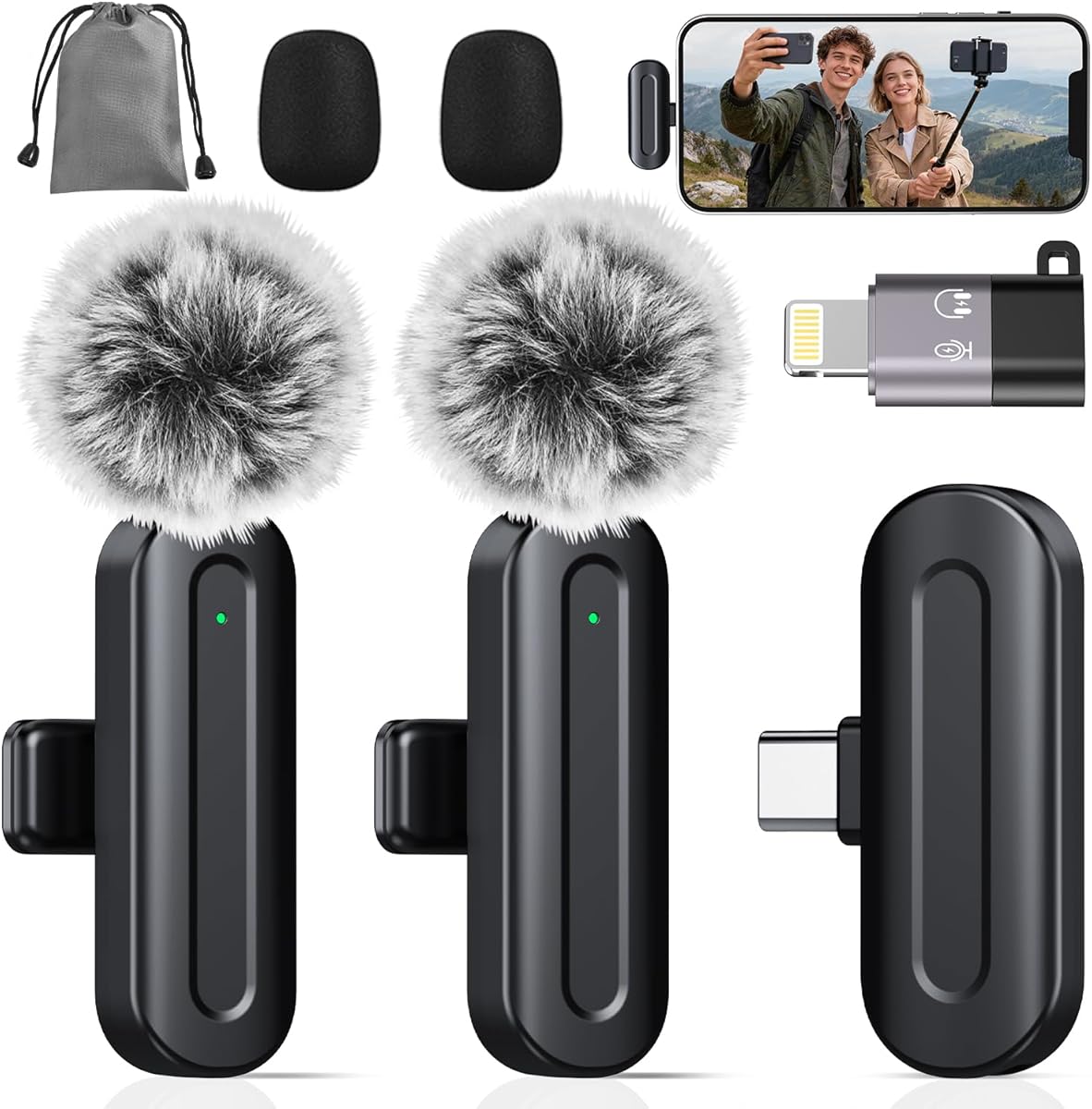
The PQRQP Wireless Mini Microphone represents a specific category of audio gear: compact lavalier systems with built-in preamplification for mobile devices. Unlike traditional mics, these units must handle both wireless transmission and signal boosting before reaching your phone's USB-C port. This particular 2-pack system promises high-fidelity audio specifically optimized for content creation workflows.
Key Considerations Before Buying
- Built-in preamp quality directly impacts whether your voice sounds clear or thin when recording to mobile devices, as phone inputs lack professional-level amplification.
- True wireless performance means evaluating both connection stability and whether the system maintains audio sync during video recording, crucial for talking-head content.
- The USB-C connectivity specifically matters for Android and newer iOS devices, but verify compatibility with your exact model, as some implementations handle audio differently.
What Our Analysts Recommend
Quality wireless lavaliers should minimize self-noise from their internal preamps while providing sufficient gain. Check for wind protection on the mic capsules and physical mute buttons for live control. The charging case design for this 2-pack system should offer practical storage and reliable contact charging.
Preamps Market Context
Market Overview
The market for mobile-first lavalier mics has exploded with content creation, creating a crowded field where many products share similar specifications but differ significantly in audio processing and build quality. Products like the PQRQP compete directly with brands such as Rode Wireless GO II and DJI Mic in the consumer-creator space.
Common Issues
Common failures include inconsistent wireless connections in crowded RF environments, preamps that introduce noticeable hiss at higher gain levels, and mobile operating systems that intermittently drop the USB audio connection. Battery life often falls short of advertised claims during continuous recording.
Quality Indicators
Look for detailed frequency response specifications (not just 'high-fidelity'), actual battery runtime tests in reviews, and physical construction that protects the delicate USB-C connector. Quality preamps maintain headroom without clipping when subjects speak loudly.
Review Authenticity Insights
Grade B Interpretation
A Grade B authenticity rating with 15% estimated fake reviews suggests generally trustworthy feedback but warrants careful reading. The adjusted 4.60/5 rating (down from perfect 5.00) indicates genuine satisfaction is high but not universal.
Trust Recommendation
Focus on reviews that mention specific use cases like podcasting outdoors or YouTube tutorials with screen recording, as these demonstrate actual testing. Be skeptical of reviews that only praise packaging or immediately received the product.
Tips for Reading Reviews
Prioritize reviews discussing audio comparisons with other mics or noting specific technical details like handling plosives. Look for mentions of the preamp's performance when recording quiet voices, which tests its noise floor and gain capability.
Expert Perspective
The PQRQP system's strong adjusted rating (4.60/5) from verified purchases suggests it delivers solid performance for its price segment, particularly for creators needing a simple two-person setup. The inclusion of USB-C connectivity reflects current device trends, though the 'preamps' specification indicates these aren't passive mics—they're actively processing audio before transmission. The 2-pack format addresses a genuine need for interview or duo content scenarios without requiring separate systems.
Purchase Considerations
Consider whether you truly need wireless capability versus a wired lavalier, as wireless adds complexity but enables movement. Evaluate your recording environment: built-in preamps perform differently in quiet studios versus noisy locations. The dual-mic system makes most sense for consistent two-person recording rather than occasional use.
Comparing Alternatives
Compare the PQRQP's preamp specifications and frequency response against similar systems from Boya and Hollyland, particularly regarding latency figures for video sync.


