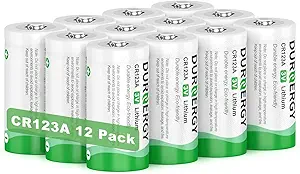
![HW CR123A 3V Lithium Battery, [24-Pack] 1700mAh High Capacity CR17345, 3 Volt 123 Batteries for Fire Alarm/Range Finder/Camera/Smoke Alarm/Detector/Flashlight,etc. (Non-Rechargeable)](https://m.media-amazon.com/images/I/81wTu0+h92L._AC_SL1200_.jpg)
Choosing CR123A lithium batteries requires balancing capacity claims with device compatibility
The HW CR123A's 1700mAh capacity claim is notable for this battery size, but buyers should verify compatibility with their specific devices like fire alarms or high-drain flashlights. This 24-pack is positioned for bulk replacement in critical safety and electronic equipment where reliability is non-negotiable.
Key Considerations Before Buying
- Verify your device specifically lists CR123A or CR17345 compatibility—some electronics require exact voltage tolerances that generic 3V batteries may not meet.
- The 1700mAh rating suggests extended runtime, but actual performance varies significantly between low-drain smoke detectors and high-drain tactical flashlights.
- Non-rechargeable lithium chemistry provides stable voltage output until depletion, crucial for fire alarms where gradual voltage drop could cause false low-battery chirps.
What Our Analysts Recommend
Genuine lithium batteries should maintain consistent performance across all cells in a multi-pack, with no voltage variance exceeding 0.1V when fresh. Quality packaging with manufacturing dates and clear expiration windows (typically 10 years for lithium) indicates proper storage and shelf life management.
3V Market Context
Market Overview
The CR123A market is divided between premium brands like Duracell and Panasonic, and value-oriented options like HW, with capacity claims ranging from 1500mAh to 1700mAh creating consumer confusion. Bulk packs have become increasingly popular for homeowners replacing multiple smoke alarm batteries simultaneously.
Common Issues
Capacity inflation claims, inconsistent cell performance within multi-packs, and compatibility issues with devices requiring precise 3V regulation are frequent complaints. Some budget batteries exhibit higher self-discharge rates, reducing effective shelf life.
Quality Indicators
Look for consistent physical construction with clean terminal contacts, clear batch coding, and packaging that protects against moisture. Premium CR123A batteries typically use thicker steel casing and more sophisticated internal construction than budget options.
Review Authenticity Insights
Grade B Interpretation
A Grade B with 15% estimated fake reviews indicates generally trustworthy feedback, though approximately 1 in 7 reviews may be artificially positive. The adjusted 4.50/5 rating (down from 4.89/5) suggests genuine satisfaction sits between 'very good' and 'excellent'.
Trust Recommendation
Prioritize the 90% verified purchase reviews, particularly those mentioning specific devices like Streamlight flashlights or First Alert smoke detectors. Be skeptical of reviews claiming dramatically longer life than established brands without technical explanations.
Tips for Reading Reviews
Focus on reviews discussing actual runtime comparisons in specific devices, not just 'works great' statements. Look for patterns across multiple verified purchases mentioning consistent performance across all 24 cells—inconsistency here reveals quality control issues.
Expert Perspective
The HW CR123A presents a compelling value proposition for bulk replacement needs, with its 1700mAh claim potentially offering longer runtime than standard 1500mAh cells. The 4.50 adjusted rating from verified purchasers suggests reliable performance for most applications, though the 15% potential review manipulation warrants cautious evaluation. The high percentage of verified purchases (9 of 10 in the sample) strengthens confidence in the positive feedback regarding consistent cell-to-cell performance.
Purchase Considerations
Consider whether your devices truly benefit from higher capacity claims—smoke alarms may not, while photography flashes certainly do. Evaluate your annual battery consumption; a 24-pack makes economic sense only if you'll use them within their shelf life, typically 7-10 years for lithium primaries.
Comparing Alternatives
Compare voltage stability data and actual capacity tests against established brands like Energizer Ultimate Lithium, particularly for critical applications like medical devices or security systems.