Choosing Reusable Silicone Earplugs: Balancing Comfort, Noise Reduction, and Durability
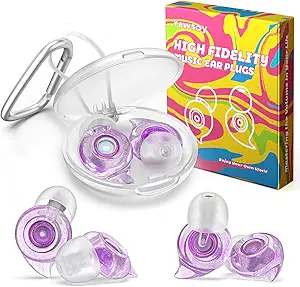
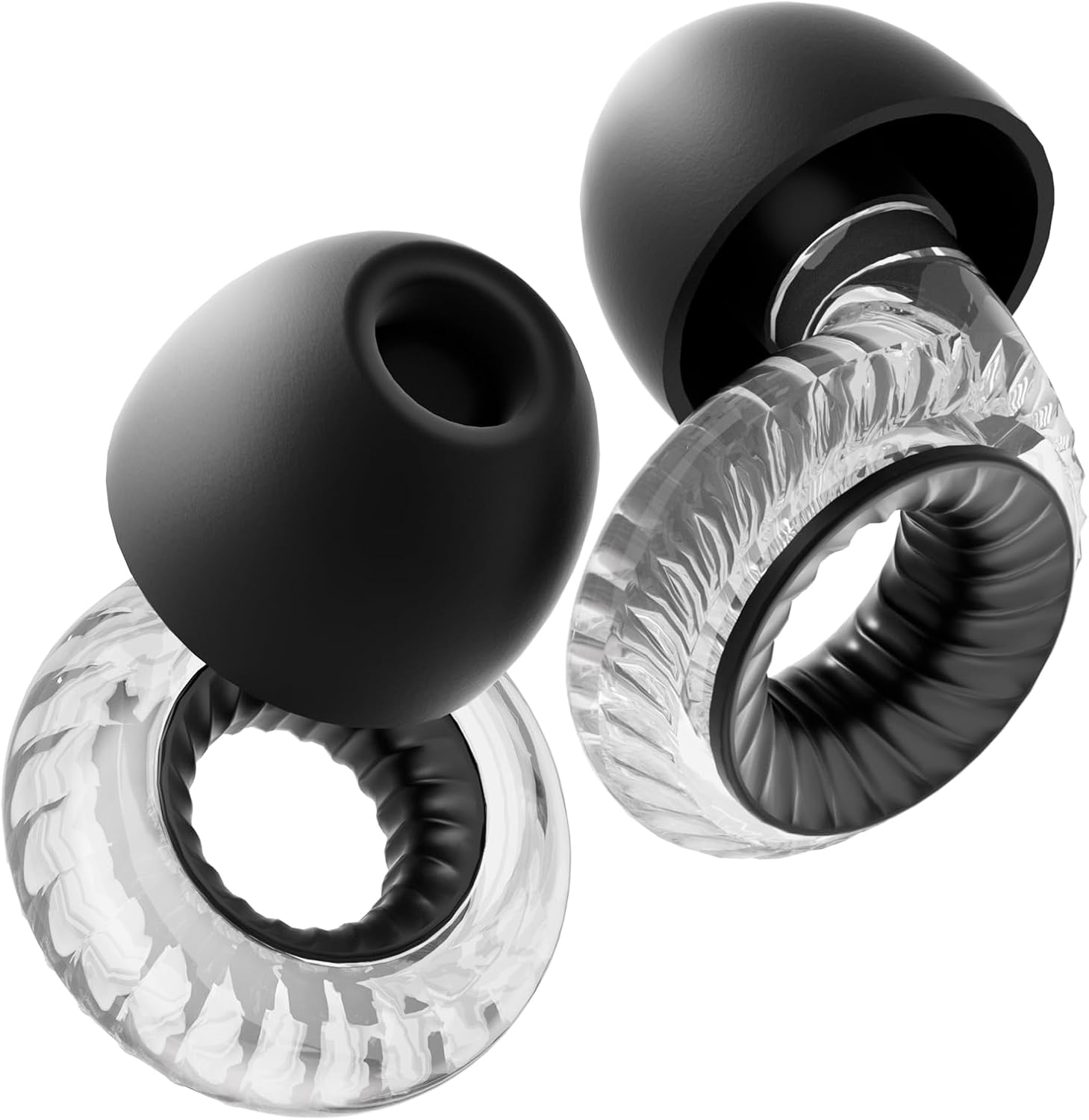
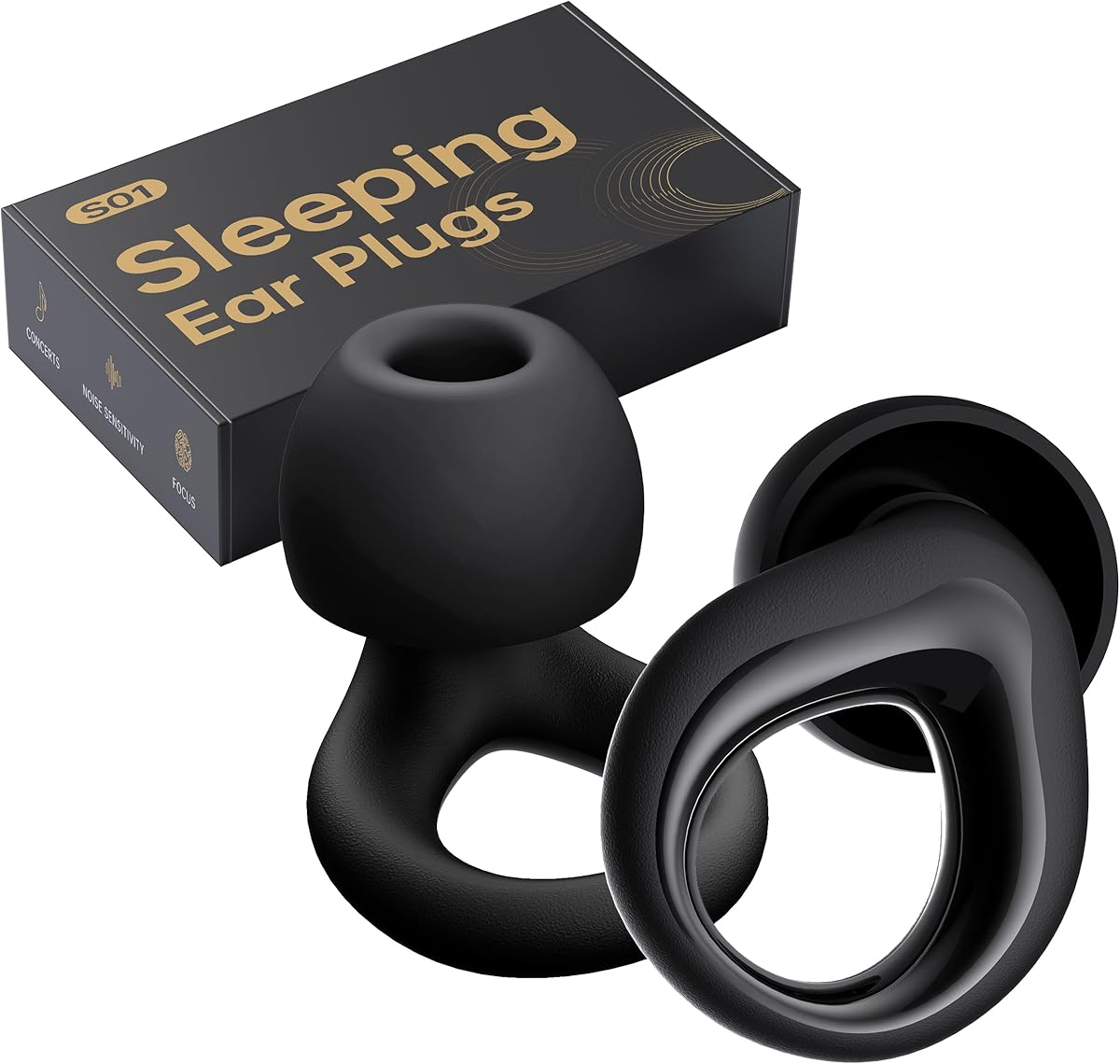
For shoppers considering these specific 30dB noise reduction silicone earplugs, understanding the trade-offs between material comfort and effective attenuation is crucial. Unlike disposable foam plugs, these reusable silicone models promise high-fidelity hearing protection, meaning they aim to muffle rather than completely block sound, which is particularly relevant for their advertised use cases of sleeping, focus, and travel.
Key Considerations Before Buying
- The 30dB Noise Reduction Rating (NRR) is a mid-range attenuation suitable for moderate snoring, city traffic, or office chatter, but may be insufficient for very loud environments like construction sites or air travel.
- Silicone's moldable nature requires proper insertion technique to form an effective seal; improper fitting will drastically reduce the advertised noise reduction performance.
- Reusability hinges on silicone quality; lower-grade silicone can degrade, become tacky, or lose its shape memory after repeated cleaning, compromising both hygiene and seal.
What Our Analysts Recommend
High-quality silicone earplugs should be pliable without being overly sticky, and should spring back slowly after being kneaded. For sleeping specifically, a low-profile design that doesn't create pressure when side-sleeping is a key indicator of thoughtful engineering. Check reviews for mentions of long-term material integrity over weeks or months of use.
Earplugs Market Context
Market Overview
The reusable earplug market is saturated with silicone and thermoplastic elastomer options, where claims of 'high-fidelity' or 'musician-grade' protection are common but often poorly substantiated. Products are increasingly marketed for multi-scenario use like sleep, focus, and travel, creating a one-size-fits-all expectation that may not match acoustic reality.
Common Issues
Frequent consumer complaints include silicone that attracts lint and debris, difficulty achieving a consistent seal for different ear canal sizes, and noise reduction that falls short of the stated NRR in real-world, variable-frequency environments like partner snoring. Durability claims often conflict with material breakdown after repeated washes.
Quality Indicators
Look for specific mentions of material composition (e.g., medical-grade silicone), clear NRR certification from a recognized body (though often lacking on direct-to-consumer brands), and design features like a carrying case that protects the plugs from deformation. Consistent reviewer feedback about comfort over 6+ hours of sleep is a strong real-world quality signal.
Review Authenticity Insights
Grade B Interpretation
A 'B' grade with an estimated 15% fake review rate suggests the overall sentiment is likely reliable, but shoppers should be aware that nearly 1 in 7 reviews may be inauthentic. The adjusted rating of 4.20/5 (down from 4.56) indicates that the genuine customer experience is still positive, but slightly less effusive than the raw average suggests.
Trust Recommendation
Focus on verified purchase reviews that detail specific, long-term use cases like 'blocked my partner's snoring for three months' or mention comparative performance against other brands. Be skeptical of overly vague, repetitive praise about 'great product' without context on noise type or wear duration.
Tips for Reading Reviews
Prioritize reviews that discuss the product's performance for your specific need—whether it's low-frequency snoring, intermittent traffic noise, or comfort for side-sleeping. Pay close attention to critical 3-star reviews; they often provide the most balanced insights on limitations, such as fit issues for smaller ear canals or attenuation that's weaker for high-pitched sounds.
Expert Perspective
Based on the analysis data, this product occupies a credible position in the market. The strong adjusted rating of 4.20/5 from authentic reviews indicates it generally delivers on its core promises for most users. The high-fidelity claim suggests it's engineered for sound attenuation rather than occlusion, which is preferable for sleepers who need to hear alarms or for focused work where complete silence is disorienting. However, the 30dB rating is a laboratory maximum; real-world performance, especially for low-frequency snoring, is often several decibels lower.
Purchase Considerations
Weigh the convenience and cost-effectiveness of reusables against the perfect, hygienic seal of single-use foam plugs. Consider your primary noise source: these silicone plugs excel against consistent, moderate noise but may struggle with very low-frequency rumbles or sudden, sharp sounds. The 'one-size' design is a compromise; it works for average ear canals but may not suit very small or large anatomies.
Comparing Alternatives
Shoppers should compare the material and NRR claims with similar-priced silicone models, and consider whether a higher-attenuation foam plug might be more effective if noise cancellation is the absolute priority over reusability.