
Choosing Third-Party DeWalt 20V Batteries: Capacity, Compatibility, and Charging Safety
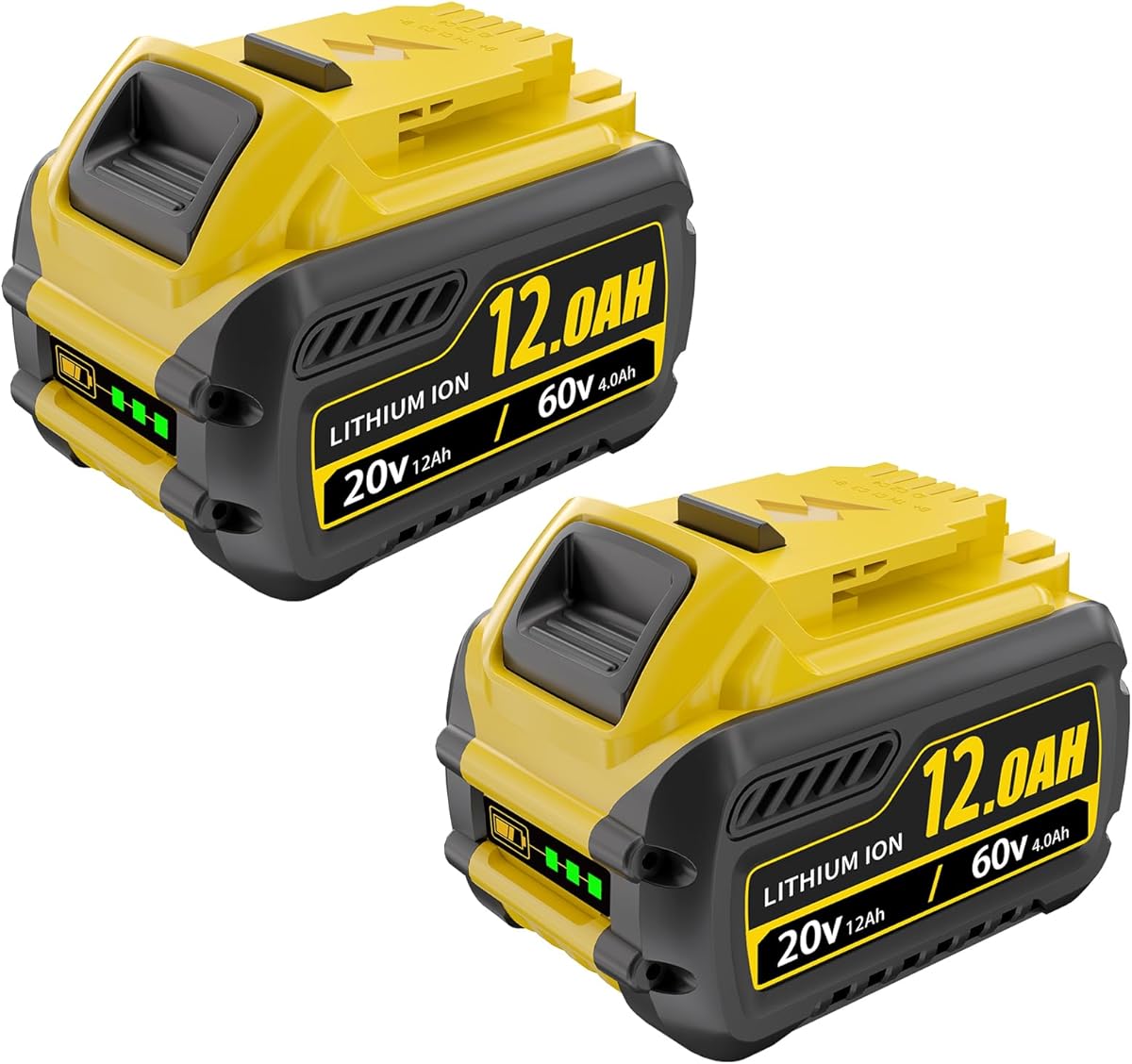
When considering aftermarket replacements like this 2-pack of 12.0Ah batteries for DeWalt 20V/60V tools, buyers must evaluate real-world performance versus OEM specifications. These high-capacity packs promise extended runtime for demanding tools, but compatibility with specific DeWalt chargers and thermal management are critical factors. The 12.0Ah rating suggests these are among the largest capacity third-party options available for the platform.
Key Considerations Before Buying
- Verify compatibility with your specific DeWalt 20V/60V FlexVolt tools, particularly the DCB609, DCB606, and DCB612 series mentioned, as some third-party batteries may not maintain proper communication with tool electronics.
- Assess whether the included charger supports proper balancing and conditioning of these high-capacity 12.0Ah cells, as improper charging can significantly reduce battery lifespan.
- Consider runtime expectations versus weight trade-offs—12.0Ah batteries are substantially heavier than standard DeWalt packs, which may affect tool balance during extended use.
What Our Analysts Recommend
Quality third-party DeWalt batteries should include overcharge protection, temperature monitoring, and cell balancing circuits comparable to OEM designs. Examine reviews for mentions of consistent performance across multiple charge cycles rather than just initial impressions. Look for specific feedback about compatibility with high-draw tools like circular saws or grinders that test battery management systems.
Battery Packs Market Context
Market Overview
The aftermarket power tool battery market has expanded significantly, with third-party manufacturers offering higher capacities at lower prices than OEM replacements. For DeWalt 20V platforms specifically, 12.0Ah represents the premium capacity tier, typically using 21700 lithium-ion cells rather than the 18650 cells in many OEM packs. Competition focuses on balancing cost savings against reliability concerns.
Common Issues
Third-party batteries frequently face challenges with inconsistent cell quality, leading to premature capacity loss or unbalanced charging. Some lack proper communication protocols for DeWalt's battery management system, causing tools to run at reduced power or display error codes. Charger compatibility issues are particularly common with high-capacity packs that require specific charging profiles.
Quality Indicators
Reliable third-party batteries will specify the cell type (e.g., Samsung, LG, or Panasonic 21700) and include detailed compatibility lists. Quality packs maintain consistent voltage under load rather than sagging dramatically during use. Look for manufacturers that disclose protection features like individual cell monitoring and thermal cutoff switches.
Review Authenticity Insights
Grade B Interpretation
A Grade B authenticity rating with 15% estimated fake reviews indicates generally trustworthy feedback with some manipulation present. The adjusted rating of 4.30/5 versus the displayed 4.67/5 suggests inflated scores, though the high percentage of verified purchases (100%) adds credibility. This pattern is typical for popular third-party battery products where manufacturers may incentivize early positive reviews.
Trust Recommendation
Focus on reviews discussing long-term performance over multiple months rather than initial impressions, as battery degradation issues often appear later. Pay particular attention to critical 3-star reviews that may provide balanced perspectives missing from polarized 5-star or 1-star feedback. Verify that positive reviews mention specific tool compatibility rather than generic praise.
Tips for Reading Reviews
Search reviews for mentions of 'cycles,' 'runtime after X months,' or specific tool models you own to find relevant experiences. Be skeptical of reviews emphasizing packaging or delivery speed over technical performance. Look for detailed comparisons with genuine DeWalt batteries regarding weight, balance, and power delivery consistency.
Expert Perspective
The 4.30 adjusted rating from verified purchasers suggests these 12.0Ah batteries generally meet expectations for third-party replacements, particularly given their premium capacity rating. The high percentage of verified purchases increases confidence in the feedback, though the authenticity grade indicates some review manipulation exists. For users needing extended runtime for high-draw tools, these packs offer compelling value if compatibility is confirmed. The two-pack configuration addresses a common concern about third-party battery longevity by providing immediate backup.
Purchase Considerations
Weigh the substantial cost savings against potential warranty implications for your DeWalt tools, as some manufacturers void warranties with third-party batteries. Consider whether your usage justifies 12.0Ah capacity or if lower-capacity options might offer better value with less weight. Evaluate your charger's compatibility carefully, as some older DeWalt chargers may not properly condition these high-capacity cells.
Comparing Alternatives
Shoppers should compare these against other third-party options with similar capacity ratings, paying attention to cell brand specifications and protection circuit descriptions.


