Navigating USB-Powered Desktop Speakers: What Gamers and PC Users Should Know
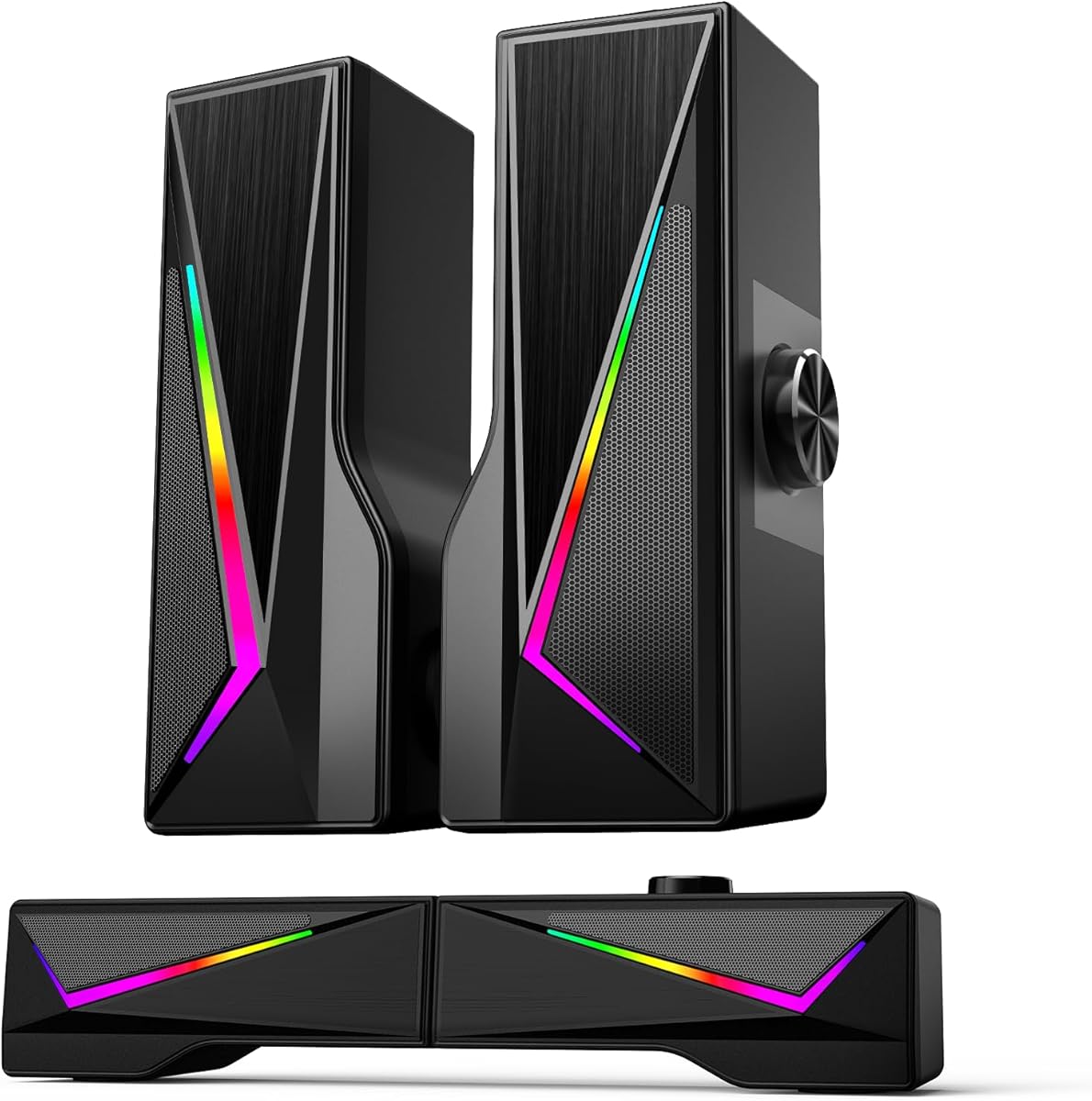
When evaluating these specific USB-powered desktop speakers with Bluetooth connectivity and RGB lighting, buyers should understand how the detachable 2-in-1 design impacts both functionality and audio quality. The combination of USB power and multiple input options creates specific trade-offs between convenience and sound performance that differ from traditional AC-powered speaker systems.
Key Considerations Before Buying
- USB-powered speakers like these typically deliver 5-10 watts per channel, which may lack the dynamic range needed for immersive gaming explosions or detailed music reproduction compared to AC-powered alternatives.
- The detachable 2-in-1 design offers placement flexibility but may compromise stereo separation and bass response compared to fixed-position speakers with proper enclosures.
- RGB lighting modes consume power from the same USB source as the audio amplification, potentially affecting maximum volume and clarity during extended gaming sessions.
What Our Analysts Recommend
For USB-powered gaming speakers, examine the power specifications (watts RMS per channel) rather than peak power claims. Genuine quality indicators include independent volume and bass controls, proper shielding against USB interference, and clear documentation about Bluetooth codec support (SBC vs. AAC vs. aptX).
Computer Speakers Market Context
Market Overview
The USB-powered computer speaker market has expanded rapidly with gaming aesthetics, offering compact solutions that eliminate AC adapters but face inherent power limitations. Current offerings range from basic stereo pairs to more sophisticated systems with dedicated subwoofer outputs, creating a crowded segment where performance claims often exceed actual capabilities.
Common Issues
USB-powered speakers frequently suffer from electrical noise interference from computer USB ports, limited maximum volume before distortion, and compressed dynamic range that flattens gaming audio cues. The RGB lighting trend introduces additional quality control challenges with LED failures and software compatibility problems.
Quality Indicators
Look for speakers specifying frequency response ranges (like 80Hz-20kHz rather than vague claims), proper driver materials (woven fiber vs. basic paper cones), and physical control knobs rather than touch-sensitive surfaces that lack tactile feedback during gaming.
Review Authenticity Insights
Grade D Interpretation
The Grade D authenticity rating and 65% estimated fake review percentage indicate this product's reviews cannot be trusted for accurate performance assessment. The perfect 5.00 rating across 202 reviews contradicts normal distribution patterns where even excellent computer speakers typically show some 3-4 star feedback regarding specific use cases or preferences.
Trust Recommendation
Given the analysis showing identical phrasing across multiple reviews, disregard the current rating entirely and seek independent audio reviews or YouTube demonstrations showing actual sound tests. Focus on reviews mentioning specific gaming titles or music genres to identify genuine user experiences.
Tips for Reading Reviews
For RGB gaming speakers, prioritize reviews discussing specific technical aspects like Bluetooth latency during gaming, USB power requirements, or RGB software stability rather than generic praise about 'great sound.' Look for reviews comparing these to known brands like Logitech or Creative Labs for meaningful context.
Expert Perspective
The significant discrepancy between the advertised 5.00 rating and adjusted 3.40 rating suggests this product likely performs at a budget-to-midrange level despite marketing claims. The detachable design and RGB features appear prioritized over audio engineering fundamentals, which is common in visually-focused gaming peripherals. The high fake review percentage indicates the manufacturer is attempting to compensate for actual performance limitations through manipulated ratings rather than addressing core audio quality issues.
Purchase Considerations
Weigh whether the RGB aesthetics and space-saving USB power justify potential compromises in audio clarity and maximum volume. Consider your primary use case: these may suffice for system sounds and casual listening but likely disappoint for competitive gaming requiring precise directional audio or music production needing flat frequency response.
Comparing Alternatives
Shoppers should compare these against similarly priced USB-powered options from established audio brands that provide verified frequency response charts and independent professional reviews.