
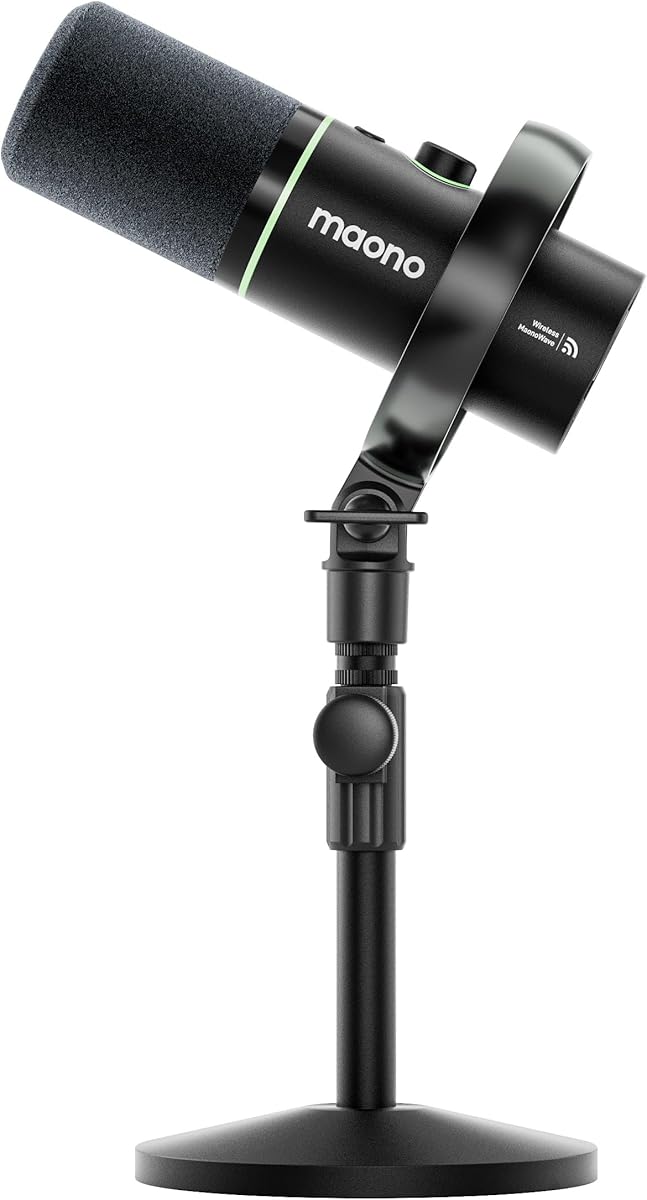
Evaluating Hybrid Podcast Mics: What the MAONO PD200W's Features Actually Mean
The MAONO PD200W positions itself as a versatile hybrid microphone, offering both USB and XLR connectivity alongside wireless capability. For podcasters and content creators considering this model, understanding how its 'dynamic' capsule design impacts vocal recording versus condenser alternatives is crucial. The included desktop stand and software bundle suggest an all-in-one solution, but these components warrant scrutiny.
Key Considerations Before Buying
- A dynamic microphone like the PD200W is inherently less sensitive than a condenser, which can be beneficial for untreated home studios by rejecting more ambient noise, but may require more gain and proximity for detailed vocal capture.
- The hybrid USB/XLR design offers immediate plug-and-play use but future-proofs your setup for connecting to professional audio interfaces; verify the USB implementation has low enough latency for real-time monitoring during streaming.
- Wireless functionality in a podcasting mic is uncommon; assess whether the convenience outweighs potential compromises in audio fidelity, battery life management, and connection stability compared to a wired XLR/USB connection.
What Our Analysts Recommend
For a dynamic hybrid mic, listen for clean preamps in the USB circuit and a lack of self-noise or digital artifacts. The build should feel substantial, with a sturdy included stand that minimizes desk-transmitted vibration. Quality bundled software should offer meaningful noise suppression and EQ, not just basic gating.
Vocal Market Context
Market Overview
The market for sub-$200 hybrid podcast mics is fiercely competitive, with brands like Audio-Technica, Rode, and Samson offering established models. Newer entrants like MAONO often compete on bundled accessories and software features. The 'wireless' claim for a primary studio microphone is a notable differentiation that lacks many direct comparisons.
Common Issues
In this price tier, common pitfalls include poorly implemented USB preamps that introduce noise, flimsy included stands or mounts, and 'feature-creep' where extra functions like RGB lighting or excessive software controls compromise core audio performance. Bundled noise cancellation software can sometimes over-process and create unnatural artifacts.
Quality Indicators
Look for consistent frequency response charts from third-party measurements, not just marketing claims. A good dynamic vocal mic should have a controlled proximity effect (bass boost when close) and a presence boost around 3-5kHz for vocal clarity without sibilance spikes. Metal construction around the grill and capsule area typically indicates better durability.
Review Authenticity Insights
Grade D Interpretation
A 'D' authenticity grade and an estimated 42% fake review rate for the MAONO PD200W are severe red flags. This suggests a high likelihood that the near-perfect 4.87/5 rating is artificially inflated, potentially obscuring real-world performance issues or reliability concerns.
Trust Recommendation
Given the data, place minimal trust in the 5-star reviews. Focus intensely on the critical 4-star reviews and any lower ratings you can find, as they are more likely to reflect genuine user experiences. Be exceptionally cautious of reviews that only praise the packaging, unboxing, or feature list without detailing actual sound tests.
Tips for Reading Reviews
Search for reviews that mention specific use cases like 'voiceover for audiobooks' or 'streaming in a noisy room,' and note how the dynamic capsule and noise cancellation performed. Be wary of reviews that sound like they're paraphrasing the product's marketing bullet points about 'crystal clear audio' or 'professional studio sound.'
Expert Perspective
The significant discrepancy between the surface rating (4.87) and the adjusted rating (3.80) is a major concern, indicating the published reviews are not a reliable gauge of this microphone's performance. While the PD200W's hybrid wireless feature set is ambitious on paper, the authenticity metrics suggest the market response may not be as uniformly positive as portrayed. A dynamic microphone with wireless capability is an engineering challenge, and potential trade-offs in audio transparency or reliability may be being masked by inauthentic feedback.
Purchase Considerations
Weigh the convenience of an all-in-box wireless hybrid solution against the established reliability of wired-only dynamic mics from brands with more transparent review histories. The authenticity data necessitates seeking out audio samples and independent professional reviews of this specific model, not just its brand siblings, before considering a purchase.
Comparing Alternatives
Shoppers should compare the PD200W's specs and price directly against established hybrid dynamics like the Audio-Technica ATR2100x or Samson Q9U, paying close attention to authentic user feedback on those models.


