
Choosing a Digital Kids Microscope: Screen Quality and Durability Matter Most
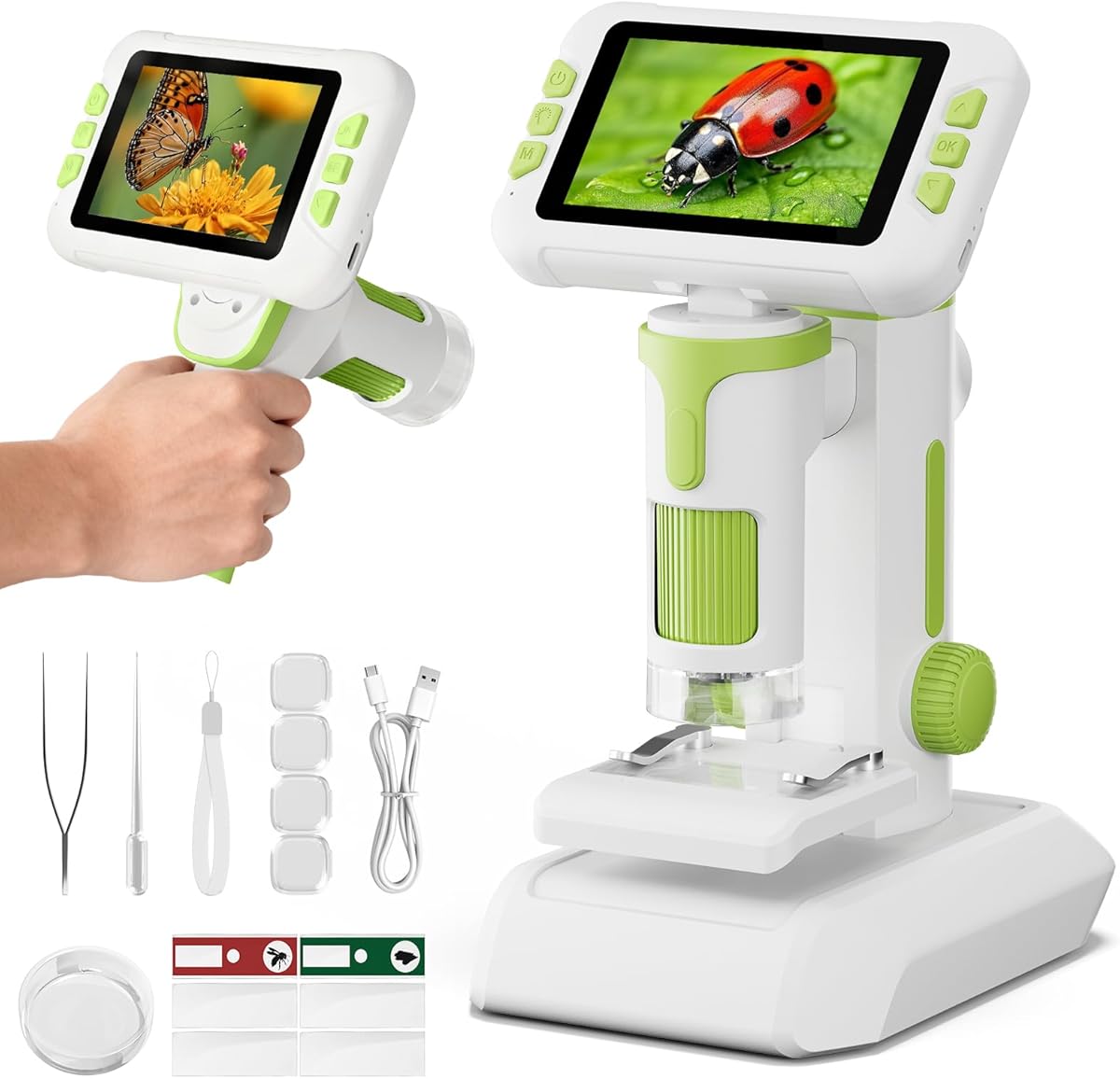
When evaluating the 1600X Microscope for Kids with its 4.0" 4K digital screen, focus on how the viewing experience differs from traditional eyepiece models. This specific product combines digital capture capabilities with pre-prepared slides, creating a hybrid educational tool rather than a pure scientific instrument. Buyers should understand this microscope prioritizes accessibility and engagement over laboratory-grade precision.
Key Considerations Before Buying
- The 4K digital screen eliminates eye strain for young users but requires evaluating screen brightness and resolution for clear imaging of prepared slides versus live specimens.
- With a 32GB card included, consider whether your child will benefit from digital capture functions or if simpler observation would suffice for their age and interest level.
- The 3-14 year age range is exceptionally broad; assess whether the mechanical stage and focus knobs are appropriately sized for younger hands while offering enough sophistication for older students.
What Our Analysts Recommend
Quality indicators include robust construction around the screen hinge and focus mechanism, as these are common failure points in children's microscopes. Genuine reviews often mention slide quality and whether specimens remain intact during handling. The included slides kit should have clearly labeled, well-mounted specimens that demonstrate the 1600X magnification effectively.
Microscopes Market Context
Market Overview
The children's digital microscope market has expanded rapidly, with products like this 1600X model bridging the gap between educational toys and entry-level scientific tools. Most compete on screen size, magnification claims, and included accessories rather than optical quality alone. The UK market shows strong demand for STEM-focused gifts that offer immediate engagement without complex setup.
Common Issues
Common problems include overstated magnification claims where digital zoom creates pixelation rather than true optical detail, and fragile mechanical components that don't withstand enthusiastic use by younger children. Many kits include low-quality prepared slides with poorly mounted or unidentifiable specimens that frustrate young learners.
Quality Indicators
Look for consistent mention of durable construction in verified reviews, particularly regarding the stand and focus mechanism. Higher-quality kits include slides with varied specimen types (plant, insect, textile) that genuinely benefit from the advertised magnification. Products that facilitate both prepared slide viewing and live specimen examination typically offer better educational value.
Review Authenticity Insights
Grade B Interpretation
A Grade B authenticity rating with 15% estimated fake reviews indicates generally reliable feedback with some inflated positivity. For this microscope, the gap between the 5.00/5 raw rating and 4.60/5 adjusted rating suggests some reviews may overstate durability or image quality. The 85% authentic rate is solid for this category where verified purchases are common.
Trust Recommendation
Prioritize reviews that discuss specific use cases, like comparing the digital screen to smartphone microscope attachments or describing how different age groups interact with the controls. Be skeptical of reviews that only mention gifting without detailing actual use, as these may be incentivized. The verified purchase status adds credibility but doesn't guarantee unbiased assessment.
Tips for Reading Reviews
Look for reviews that mention the microscope's performance with both included slides and user-collected specimens, as this reveals true versatility. Pay attention to comments about battery life during screen use and whether the 32GB card is genuinely necessary or just a marketing feature. Reviews discussing longevity beyond initial unboxing are particularly valuable.
Expert Perspective
This microscope represents a thoughtful compromise between accessibility and functionality, with its 4.0" screen addressing a key barrier for young users. The 4.60/5 adjusted rating from verified purchasers suggests it delivers on core promises for most buyers, though the 15% potential fake rate warrants cautious interpretation of perfection claims. The included 32GB card and slides kit provides immediate engagement, which is crucial for maintaining children's interest in microscopy.
Purchase Considerations
Weigh whether the digital screen's advantages outweigh the limitations in true optical magnification compared to eyepiece models. Consider if your child will utilize the image capture functionality or if a simpler, more durable optical microscope might better suit repeated use. The broad 3-14 age range means this product likely excels for 6-10 year olds while requiring more supervision at the extremes.
Comparing Alternatives
Shoppers should compare screen resolution and mechanical durability with similar digital microscopes, as well as consider whether traditional optical models might offer better value for dedicated young scientists.


