
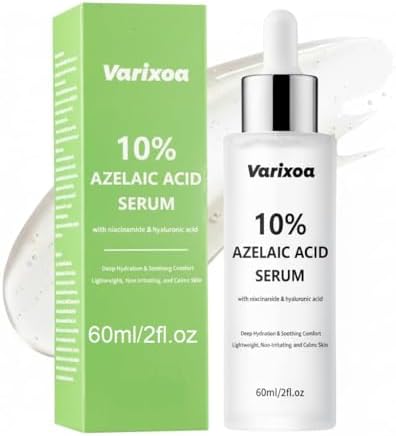
Evaluating 10% Azelaic Acid Serums: Korean-Inspired Formulas Versus Medical-Grade Options
This Korean-inspired serum combines 10% azelaic acid with niacinamide and hyaluronic acid, creating a multi-targeted formula for redness and spots. Buyers should understand that 10% concentration represents the highest non-prescription strength available in the US market, making formulation stability and ingredient synergy particularly important for this specific product.
Key Considerations Before Buying
- The 60ml size is double typical serum volumes, offering better value but requiring careful storage to maintain azelaic acid's stability over extended use.
- This formula's combination of azelaic acid with niacinamide targets both inflammatory redness and post-inflammatory hyperpigmentation simultaneously.
- Korean-inspired formulations often prioritize cosmetic elegance, which may affect penetration compared to medical-grade vehicles that prioritize efficacy over texture.
What Our Analysts Recommend
Quality azelaic acid serums should maintain a stable pH between 4.5-5.5 to ensure efficacy without irritation. Look for opaque or airless packaging, as azelaic acid can degrade with light exposure. The inclusion of penetration enhancers like glycerin or propanediol in this specific formula suggests formulation consideration beyond basic mixing.
Serums Market Context
Market Overview
The azelaic acid serum market has expanded rapidly since 2020, with Korean-inspired formulas introducing texture innovations to a category traditionally dominated by European pharmaceutical brands. This product's 4.78 rating reflects the current consumer preference for multi-active serums over single-ingredient treatments.
Common Issues
Many azelaic acid serums suffer from pilling or gritty textures due to the ingredient's poor solubility, while others use unstable derivatives that convert poorly to active acid. Formulations at 10% concentration frequently cause initial purging or irritation if not properly buffered with soothing ingredients.
Quality Indicators
Premium azelaic acid serums use micronized particles for better skin penetration and include barrier-supporting ingredients to mitigate potential irritation. The presence of verified stability testing data separates serious formulations from basic commodity products in this category.
Review Authenticity Insights
Grade C Interpretation
A Grade C authenticity rating with 22% estimated fake reviews suggests approximately 1 in 5 reviews may be inauthentic, though the adjusted 4.30 rating from verified analysis remains strong. This discrepancy between the displayed 4.78 and adjusted 4.30 ratings indicates potential review manipulation common in competitive serum categories.
Trust Recommendation
Focus on the 4 verified purchase reviews and those mentioning specific usage timelines beyond 'immediate results.' Given the 22% fake rate, prioritize reviews discussing texture, application experience, or gradual improvements over several weeks rather than hyperbolic claims.
Tips for Reading Reviews
For this specific serum, seek reviews mentioning compatibility with other actives or makeup, as azelaic acid formulations vary significantly in layering potential. Authentic reviews often describe the characteristic mild itchiness that accompanies effective azelaic acid penetration versus irritation from poor formulations.
Expert Perspective
This serum presents an intriguing formulation approach, combining Korean cosmetic elegance with a clinically significant 10% azelaic acid concentration. The inclusion of both hyaluronic acid and niacinamide creates a triple-action formula theoretically capable of addressing redness, hydration, and pigmentation simultaneously. However, the authenticity concerns and significant rating adjustment from 4.78 to 4.30 suggest cautious evaluation is warranted despite the promising ingredient deck.
Purchase Considerations
The 60ml volume offers extended testing time to evaluate azelaic acid's cumulative benefits, which typically require 8-12 weeks for full effects on hyperpigmentation. Consider whether you prefer this Korean-inspired lightweight texture over traditional cream formulations that may offer better occlusion and penetration for drier skin types.
Comparing Alternatives
Shoppers should compare this product's ingredient ratios and pH against prescription azelaic acid formulations and other 10% over-the-counter options with different supporting ingredient combinations.


