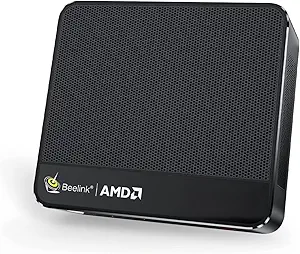
Choosing a Mini PC: Balancing Performance, Ports, and Real-World Use Cases
The C4 11 PRO Mini PC represents a specific tier in the compact desktop market, targeting users who need more than basic office tasks but don't require a full-sized tower. Its AMD Ryzen 5 3550H processor and dual Gigabit LAN ports position it uniquely for home servers or multi-display office setups. Buyers should evaluate these mini PCs based on their specific workflow needs rather than raw specs alone.
Key Considerations Before Buying
- The AMD Ryzen 5 3550H is a mobile processor from 2019; while it outperforms newer entry-level chips like the Intel N100 in multi-core tasks, it may draw more power and generate more heat in this compact form factor.
- Dual Gigabit LAN ports are a standout feature for networking applications like firewalls, NAS gateways, or network monitoring, but are unnecessary for typical home office use.
- The 8GB DDR4 RAM is soldered and not user-upgradeable in most mini PCs of this design, making your initial configuration choice critical for long-term usability.
What Our Analysts Recommend
For a mini PC like the C4 11 PRO, scrutinize thermal management in reviews—look for mentions of fan noise under load or thermal throttling during sustained tasks. Genuine reviews often detail specific use-case performance, such as handling multiple browser tabs with 4K video playback or connectivity hiccups with the WiFi 5 (not WiFi 6) adapter.
Minis Market Context
Market Overview
The mini PC market is currently bifurcated between ultra-efficient, fanless designs using processors like the Intel N-series and more powerful, actively cooled units with older mobile Ryzen or Intel H-series chips. The C4 11 PRO falls into the latter, performance-oriented segment where thermal design is paramount.
Common Issues
Common pain points in this category include inadequate cooling leading to performance throttling, non-upgradeable RAM limiting future-proofing, and driver support challenges for niche connectivity features like triple 4K display output. Power adapter quality and BIOS update availability are also frequent concerns.
Quality Indicators
Look for brands that provide clear BIOS/UEFI access and driver repositories on their website. Quality mini PCs often use name-brand SSDs (like Kingston or WD) rather than completely unbranded storage, and they feature robust metal chassis construction to aid heat dissipation.
Review Authenticity Insights
Grade B Interpretation
A Grade B authenticity rating with an estimated 15% fake review rate suggests the majority of feedback is reliable, but a modest portion may be incentivized. The adjusted rating of 4.00/5 (down from 4.33/5) indicates the genuine consensus is slightly more critical than the raw average shows.
Trust Recommendation
Prioritize reviews that mention specific, real-world testing scenarios—like using the dual LAN for a Proxmox server or noting the performance difference between the Ryzen 5 3550H and an Intel N100 in applications like Lightroom or Handbrake. Be skeptical of reviews that only praise generic 'speed' or 'value' without technical context.
Tips for Reading Reviews
For technical products like this, the most valuable reviews often come from users who detail their setup process, driver installations, and thermal performance during sustained workloads. Pay close attention to the single critical review noted in the analysis, as it likely highlights a tangible flaw not apparent in marketing materials.
Expert Perspective
The C4 11 PRO is a niche product that makes clear trade-offs. Its Ryzen 5 3550H offers solid multi-threaded performance for its size, but it's based on a 12nm architecture that is less power-efficient than current designs. The dual LAN and triple-display support are legitimate differentiators for homelab enthusiasts or multi-monitor trading setups, but the 8GB RAM and 256GB SSD will be limiting for general-purpose users expecting to keep many applications open. The WiFi 5 and Bluetooth 5.0 connectivity are becoming dated in a market moving toward WiFi 6E.
Purchase Considerations
This mini PC is best suited for a user with a defined, stationary use case that leverages its unique I/O, such as a lightweight virtualization host, a dedicated media playback device for multiple displays, or a compact workstation for legacy business software. It's a less ideal choice as a primary family computer or for those who anticipate needing more RAM or storage in the near future.
Comparing Alternatives
Shoppers should compare this directly with mini PCs featuring the Intel N100/N95 for efficiency, or the newer AMD Ryzen 5000U series for better performance-per-watt in a similar form factor.