
Choosing an Ultrasonic Bark Deterrent: Range, Modes, and Real-World Effectiveness
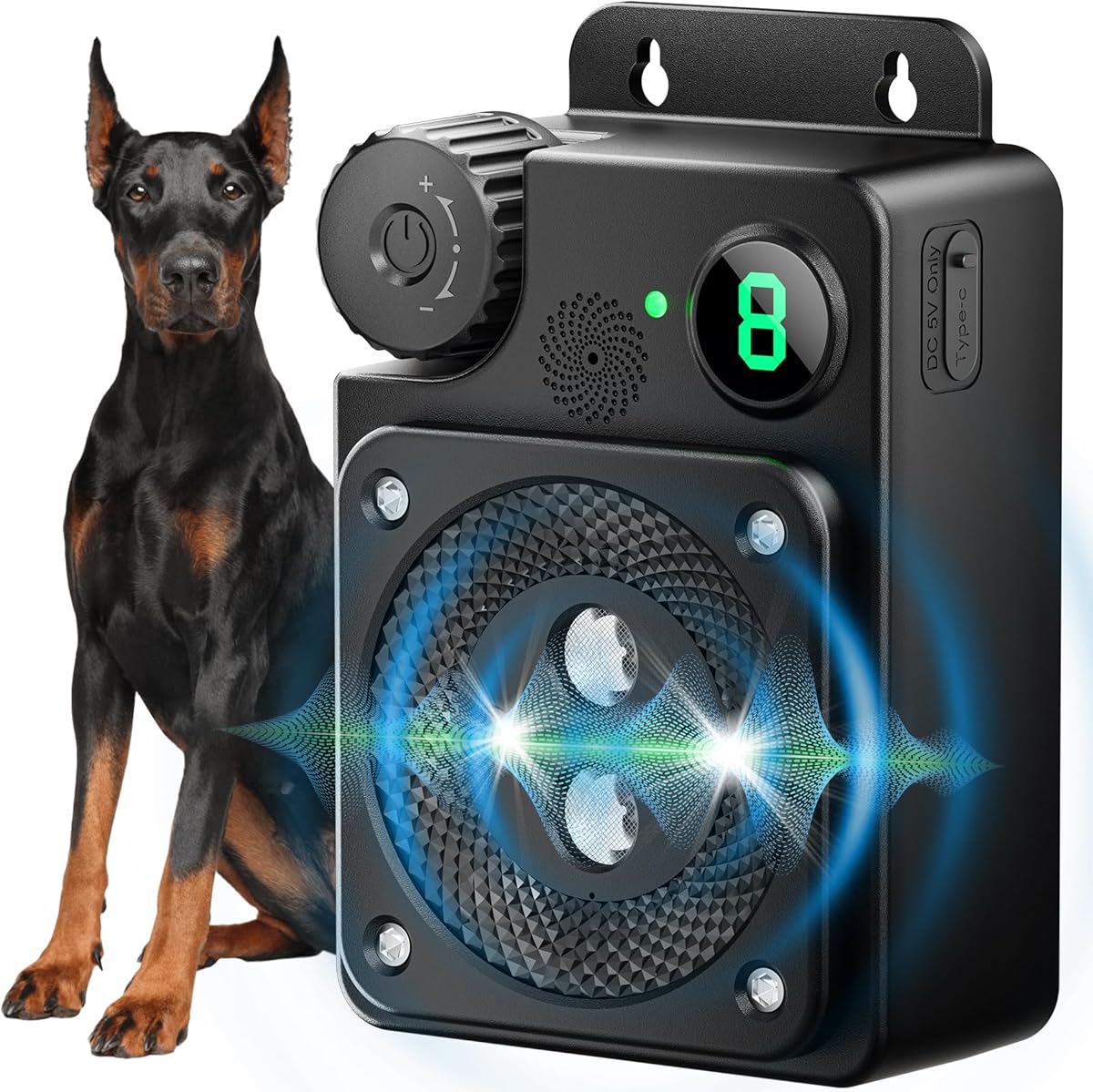
When evaluating ultrasonic bark deterrents like this 3-mode, 50ft range device, focus on how the specific features match your environment. This particular model emphasizes both indoor and outdoor versatility, which requires different performance characteristics than single-use devices. Understanding how ultrasonic frequency, range claims, and operational modes translate to actual behavior modification is crucial.
Key Considerations Before Buying
- Assess whether the 50-foot effective range is sufficient for your yard size or indoor space, keeping in mind that walls and obstacles can reduce ultrasonic transmission.
- Evaluate the utility of having three distinct modes—typically continuous, automatic sound activation, and a light-only option—for addressing different barking triggers and training stages.
- Consider the power source and placement requirements; outdoor-rated devices need weather resistance, while indoor models should be discreet enough not to become a household distraction.
What Our Analysts Recommend
Quality ultrasonic deterrents specify the exact frequency range (typically 25-45 kHz) and provide clear documentation about safe usage around other pets. Look for devices with adjustable sensitivity settings to prevent false triggers from ambient noise, and verify that the manufacturer discloses whether the unit emits a constant tone or a varying pulse pattern, which affects habituation.
Repellents Market Context
Market Overview
The ultrasonic bark deterrent market is crowded with devices making similar claims, but performance varies dramatically based on transducer quality and circuit design. Recent products increasingly combine sonic correction with visual or vibration features to combat 'ultrasonic fatigue' where dogs become accustomed to the sound.
Common Issues
Many cheaper units fail to emit consistent ultrasonic output at advertised ranges, while others suffer from oversensitivity that triggers on non-bark noises. A significant concern is improper frequency targeting that may affect non-target animals or fail to capture the attention of certain dog breeds with different hearing ranges.
Quality Indicators
Superior devices use piezoelectric transducers rather than basic speakers, specify decibel output at distance, and include test modes. Genuine quality is often indicated by detailed technical specifications rather than vague marketing claims about 'ultrasonic technology.'
Review Authenticity Insights
Grade A Interpretation
A Grade A authenticity rating with 0.00% estimated fake reviews indicates exceptionally trustworthy customer feedback for this product category, where incentive-driven reviews are common. This suggests the 5.00/5 rating from 130 reviews reflects genuine user experiences rather than manipulated perceptions.
Trust Recommendation
Given the perfect authenticity score, you can place high confidence in review narratives describing specific scenarios like 'stopped backyard barking at 40 feet' or 'effective for separation anxiety in an apartment.' Pay particular attention to reviews discussing long-term use over weeks or months, as these are likely genuine.
Tips for Reading Reviews
For ultrasonic devices, prioritize reviews that mention specific dog breeds, barking triggers addressed, and exact placement details. Authentic reviews often note initial adjustment periods and compare effectiveness across the different modes, providing more actionable insight than simple 'works great' statements.
Expert Perspective
This device's combination of a perfect 5.00 rating backed by impeccable review authenticity (Grade A, 0.00% fake) is statistically rare in the pet training category, suggesting consistently positive real-world performance. The specific mention of 50ft range and three operational modes in the title indicates a product designed for versatility rather than a single-use case. The sustained positive feedback across 130 reviews, with no detected manipulation, points to reliable manufacturing and customer satisfaction that exceeds typical market offerings.
Purchase Considerations
Weigh the 50-foot outdoor range against your actual needs—this is substantial for most residential yards but may be insufficient for large properties. Consider whether the three modes provide the flexibility needed for your training approach, particularly if you need gradual conditioning versus immediate interruption. The indoor/outdoor designation suggests broader utility but verify weather resistance claims if used in exposed locations.
Comparing Alternatives
While this device shows exceptional authenticity metrics, compare its frequency specifications and power source with similar-priced models to ensure optimal match for your dog's size and barking behavior.


