
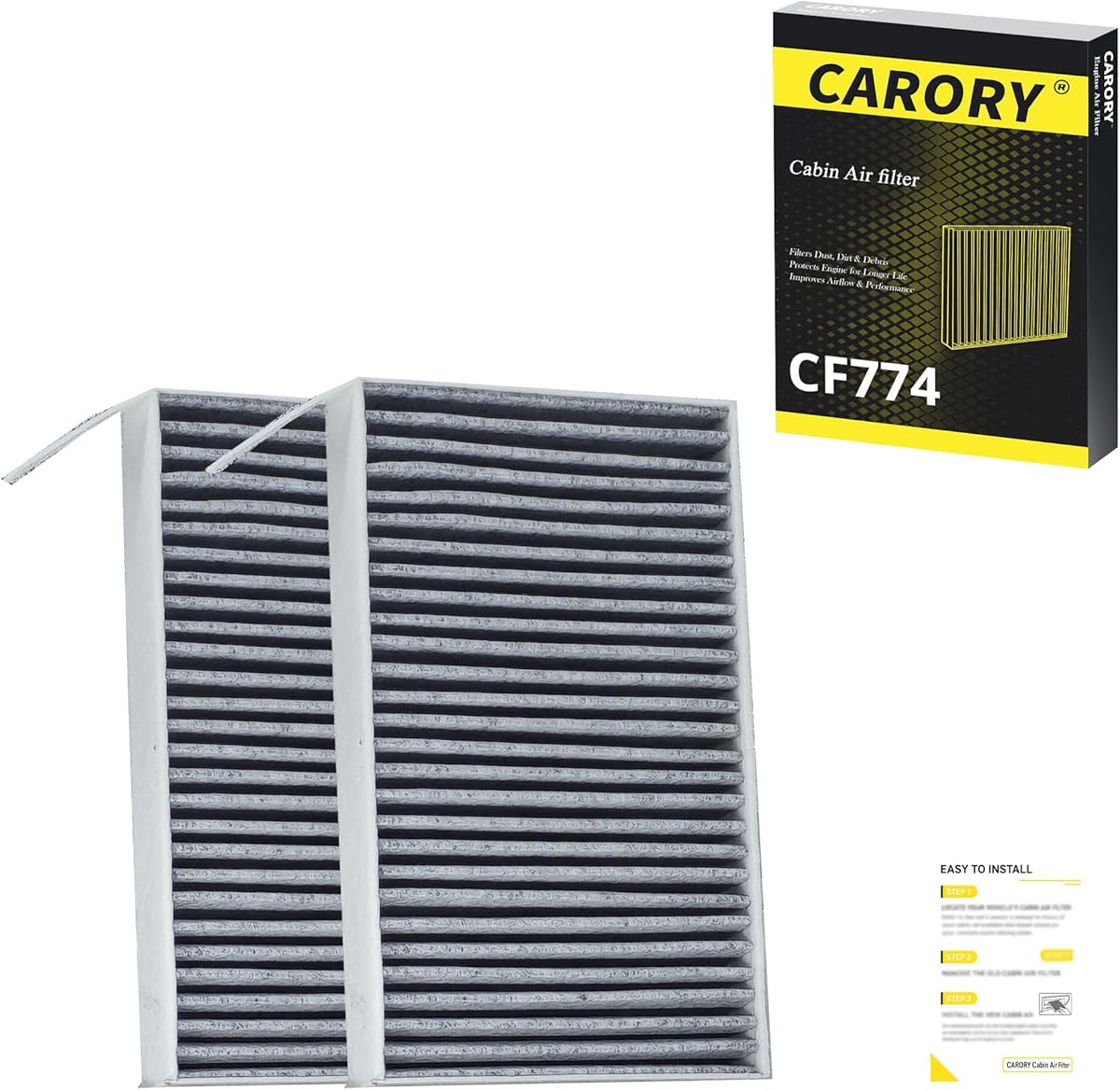
Choosing the Right Activated Carbon Cabin Filter for Your Tesla Model 3 or Y
For Tesla owners, cabin air filters with activated carbon serve a dual purpose: filtering particulates and neutralizing odors through chemical adsorption. This specific aftermarket filter (OE# 1107681-00-A) is designed as a direct replacement, but its performance hinges on the quality of its carbon layer and media pleating. Understanding the difference between basic particulate filters and true activated carbon filters is essential for maintaining Tesla's premium cabin air quality.
Key Considerations Before Buying
- Activated carbon quantity and quality directly impact odor neutralization; some budget filters use minimal carbon that saturates quickly, failing to address the musty smell common in Tesla HVAC systems.
- Precise fitment for Model 3 (2017-2025) and Model Y (2020-2025) is critical, as an ill-fitting filter can allow unfiltered air to bypass the media, defeating its purpose.
- Replacement interval is influenced by your environment; drivers in high-pollen or urban areas may need to change this filter more frequently than Tesla's recommended schedule.
What Our Analysts Recommend
High-quality indicators include a dense, evenly distributed layer of activated carbon granules embedded in the filter media, not just a superficial coating. The filter frame should be rigid to prevent collapse under HVAC pressure, and the gasket should create a complete seal within the housing. Reviews mentioning a noticeable reduction in 'Tesla smell' or organic odors often signal effective carbon integration.
Passenger Compartment Air Filters Market Context
Market Overview
The aftermarket cabin air filter segment for Teslas is competitive, with products ranging from basic fiber filters to premium multi-layer designs with activated carbon and antimicrobial treatments. This specific filter (cross-referenced as CF12774, XC11952C) targets owners seeking OEM-equivalent performance without the dealership price, a common demand in the EV owner community.
Common Issues
Common complaints in this category include filters that are difficult to install due to stiff frames, carbon dust shedding into the vents, and short-lived odor control where the carbon layer is insufficient. Some filters also fail to match the OEM's airflow resistance, potentially triggering error codes or reducing HVAC efficiency.
Quality Indicators
Look for clear specifications on carbon weight (e.g., grams per filter) and independent lab testing for particulate efficiency (e.g., MERV or microparticle ratings). Quality filters will maintain pleat structure when handled and have clear installation guides addressing Tesla-specific steps, like accessing the filter behind the glovebox.
Review Authenticity Insights
Grade B Interpretation
A 'Grade B' with a 15% estimated fake review rate suggests a generally trustworthy review pool with some inflated positivity. The adjusted rating of 4.40/5 (down from 4.78) is a more reliable performance indicator, showing strong but not perfect user satisfaction.
Trust Recommendation
Prioritize reviews that detail long-term performance (2+ months) and specific installation experiences with the Model 3/Y. Verified purchase reviews are overwhelmingly present here, which is positive, but cross-reference mentions of odor reduction durability and fit against any critical 3-star reviews for balanced insight.
Tips for Reading Reviews
For this product, focus on reviews that mention the 'activated carbon' performance specifically—does it handle pet, smoke, or urban smells? Be skeptical of reviews that only praise packaging or delivery speed, and seek out those that compare it to the OEM filter or previous replacements.
Expert Perspective
The data indicates this is a well-regarded aftermarket option, with an authentic-adjusted rating of 4.4/5 from a substantial review base (3808). The high percentage of verified purchases significantly bolsters credibility. For Tesla owners, the key value proposition is cost savings versus the OEM part while maintaining the critical activated carbon function for cabin air quality. The specific OE# match suggests direct compatibility, a major concern for Tesla's tightly engineered HVAC system.
Purchase Considerations
Weigh the significant cost savings against the potential for minor fitment or durability variances from the OEM part. Consider your primary need: if combating the known Tesla HVAC odor is a priority, this filter's activated carbon layer must be substantively effective, not just a marketing feature. The installation process, while DIY, requires careful attention to Tesla's specific housing design.
Comparing Alternatives
Shoppers should compare the carbon specification and price per filter with other reputable aftermarket brands like Mann, Bosch, or K&N to assess value.


