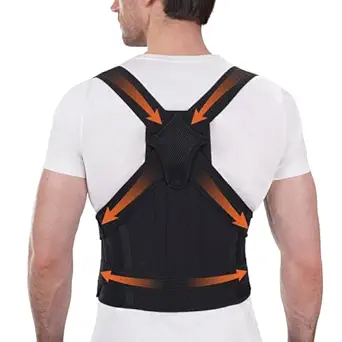
Choosing a posture corrector with five rigid rods for targeted upper and lower back support
This specific posture corrector distinguishes itself with five full-length support rods, a feature designed to distribute corrective pressure across both the thoracic and lumbar spine. Unlike simpler elastic bands, this brace incorporates adjustable shoulder straps and rigid structure to address both hunchback posture and lower back alignment simultaneously.
Key Considerations Before Buying
- The 'Medium' sizing is critical; improper fit from a mis-sized brace can cause pressure points or fail to provide the intended biomechanical correction.
- The five-rod design offers more structured support than typical three-rod models, which may benefit those with pronounced kyphosis but could feel overly rigid for mild postural awareness.
- FSA/HSA eligibility indicates it's recognized as a medical device, but check your specific plan's requirements for reimbursement of back braces.
What Our Analysts Recommend
Examine the quality of the plastic or composite rods—they should be firm yet slightly flexible to contour to your spine. The adjustment mechanisms on the shoulder straps and waist should lock securely without slipping during movement, a common failure point in cheaper braces.
Back Braces Market Context
Market Overview
The back brace market is saturated with elastic 'posture trainers,' but medically-oriented devices with rigid structural components, like this five-rod model, occupy a distinct niche for addressing specific spinal misalignments. Products eligible for FSA/HSA funds typically undergo more scrutiny regarding intended medical use.
Common Issues
Many braces are one-size-fits-most, leading to poor fit and limited efficacy; others use flimsy rods that warp with body heat. A significant issue is improper wear causing muscle weakening rather than retraining, which is why adjustability and professional guidance are key.
Quality Indicators
Look for braces specifying rod count and material (e.g., '5 full back support rods'), multiple points of adjustability (shoulder, side, waist), and breathable, durable mesh fabric that won't irritate skin during extended wear.
Review Authenticity Insights
Grade B Interpretation
A 'B' grade with an estimated 15% fake review rate suggests the majority of feedback is credible, but shoppers should be moderately cautious. This level is common for popular health devices where some incentivized reviews may exaggerate 'miracle' pain relief claims.
Trust Recommendation
Prioritize verified purchase reviews that discuss specific, realistic outcomes like 'reduced upper back tension during desk work' over vague claims of 'curing' pain. The adjusted 4.6 rating from the authenticity analysis is a more reliable performance indicator than the perfect 5.0 average.
Tips for Reading Reviews
For this product, seek reviews that mention the break-in period for the rigid rods, details on adjusting the five separate support points, and experiences with the medium size's actual fit range (e.g., chest measurement).
Expert Perspective
The high adjusted rating (4.6) from verified purchases indicates this five-rod brace effectively meets expectations for a structured posture correction device. Its design targets both upper thoracic rounding and lower lumbar support, which is more comprehensive than basic clavicle braces. The FSA/HSA eligibility adds a layer of legitimacy, suggesting it's designed for therapeutic use rather than just casual wear. The primary value proposition is its multi-rod rigidity for those who haven't found sufficient support from softer alternatives.
Purchase Considerations
Consider this if you have a defined postural kyphosis ('hunchback') and need rigid reminders, not just gentle pull. Be prepared for an adjustment period as the rods engage your spine. It may be less suitable for those seeking a discreet, lightweight solution for all-day wear under thin clothing.
Comparing Alternatives
Compare the rod configuration and adjustability points with other medical-grade braces, particularly three-rod models, to assess the level of rigidity you require.