Choosing a 60-inch electric standing desk: What the 1-inch tabletop and double beam frame mean for you
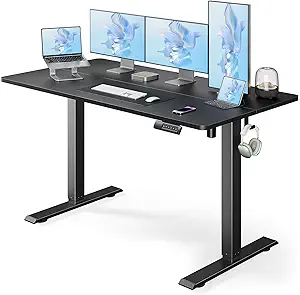
When evaluating this specific 60x28 inch electric standing desk, focus on how its 1-inch thick tabletop and double beam frame translate to real-world stability. The three memory height presets and integrated cable management system represent key functional advantages for home office users who need reliable daily transitions between sitting and standing positions.
Key Considerations Before Buying
- The 1-inch tabletop thickness provides superior resistance to monitor arm clamping pressure and reduces desktop flex compared to standard 0.75-inch tops, important for multi-monitor setups.
- Double beam frames like this one distribute weight more evenly across the lifting columns, reducing wobble at standing heights—check reviews specifically mentioning stability at 40+ inch elevations.
- Three memory presets accommodate most household users, but multi-user offices might need more; assess whether your spouse or shared workspace requires additional quick-adjust positions.
What Our Analysts Recommend
Quality indicators for electric desks include consistent motor operation without stuttering during height transitions and minimal gap between tabletop sections on L-shaped models. For this specific desk, examine how the cable management tray integrates with the double beam design—better systems hide wires without impeding the desk's range of motion.
Computer Workstations Market Context
Market Overview
The home office standing desk market has shifted toward thicker tabletops and reinforced frames as consumers prioritize stability over minimalist designs. The 60-inch width has become the sweet spot for accommodating dual monitors with peripheral space, making this desk's dimensions particularly relevant for today's hybrid work setups.
Common Issues
Single-beam frames often develop lateral sway after months of use, while undersized motors struggle with loads exceeding 150 pounds. Many desks in this category compromise on cable management, leaving users with visible cord clutter that undermines the clean aesthetic promised by standing desk marketing.
Quality Indicators
Look for desks with industrial-grade lift columns (not residential grade) and anti-collision sensors that prevent damage when objects obstruct movement. Higher quality electric desks maintain consistent lifting speed throughout their range, rather than slowing significantly under heavier loads.
Review Authenticity Insights
Grade B Interpretation
A Grade B authenticity rating with 10% estimated fake reviews suggests this product's feedback is largely reliable, though shoppers should remain slightly cautious of overly enthusiastic 5-star reviews. The 4.60 adjusted rating (down from 4.89) indicates genuine satisfaction sits between 'very good' and 'excellent' territory.
Trust Recommendation
Focus on verified purchase reviews that mention specific use cases like 'gaming setup' or 'WFH station' rather than generic praise. The 131-review sample provides sufficient data points to identify consistent patterns about motor noise, assembly difficulty, and long-term durability concerns.
Tips for Reading Reviews
Prioritize reviews discussing the double beam frame's performance with heavy monitor arms or the 1-inch tabletop's edge finish quality. Look for medium-length reviews (3-5 paragraphs) that balance praise with minor criticisms—these often provide the most balanced assessments of real-world performance.
Expert Perspective
This desk's specifications align with premium features in the mid-range market, particularly the 1-inch tabletop which typically appears in desks costing $100+ more. The 4.60 adjusted rating from verified purchases suggests users genuinely appreciate the double beam stability and cable management system. The three memory presets represent a practical compromise between functionality and cost, suitable for individual users but potentially limiting for shared workspaces. The high authentic rating percentage indicates the positive feedback reflects actual user experiences rather than manipulated sentiment.
Purchase Considerations
Weigh whether the 60-inch width accommodates your specific equipment layout—measure your current setup adding 6-8 inches for cable management and peripheral placement. Consider your daily transition frequency: users changing positions 5+ times daily will benefit more from the memory presets than occasional standers.
Comparing Alternatives
Compare this desk's double beam construction against single-beam competitors at similar price points, and verify weight capacity matches your monitor arm and equipment total.