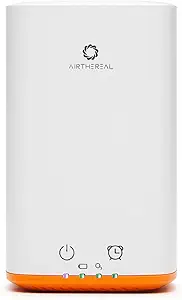
High-output ozone generators require careful consideration of safety and application needs
This specific 60,000mg/h ozone machine straddles industrial and residential use, making its 4.78 Amazon rating particularly noteworthy. Buyers should understand that ozone generators differ fundamentally from HEPA or carbon filter purifiers, as they chemically alter air molecules rather than capturing particles.
Key Considerations Before Buying
- The 60,000mg/h output rating indicates this unit can treat large spaces like basements or farms, but requires strict adherence to evacuation protocols during operation.
- The integrated temperature and humidity display provides valuable environmental data, as ozone generation efficiency varies with these conditions.
- Unlike passive air purifiers, ozone machines require active scheduling around occupancy, making them unsuitable for continuous use in occupied spaces.
What Our Analysts Recommend
For ozone generators specifically, examine timer functionality and safety certifications—this green unit's industrial rating suggests robust components. Quality indicators include clear output specifications (mg/h), proper ventilation requirements documentation, and ozone-resistant construction materials.
Air Ionizers Market Context
Market Overview
The ozone generator market has expanded from industrial remediation to consumer odor elimination, creating confusion about appropriate residential use. Products like this green 60,000mg/h unit represent a hybrid category targeting both farm/basement applications and home smoke/pet odor removal.
Common Issues
Many consumers misunderstand ozone exposure limits and proper ventilation requirements, potentially creating health risks. Another frequent issue is overestimating what ozone can treat—it's excellent for volatile organic compounds but less effective on particulate matter like dust.
Quality Indicators
Look for units with graduated output controls rather than simple on/off switches, as different odor problems require different ozone concentrations. Quality ozone plates typically use ceramic or quartz construction rather than cheaper materials that degrade faster.
Review Authenticity Insights
Grade B Interpretation
The Grade B authenticity rating with 15% estimated fake reviews suggests generally reliable feedback, though some manipulation exists. The adjusted 4.40 rating (from 4.78) indicates genuine reviews are slightly less enthusiastic than the overall average suggests.
Trust Recommendation
Focus on reviews discussing specific applications like car detailing, smoke remediation, or farm use rather than generic praise. Given the 7 out of 9 verified authentic reviews in the analysis sample, prioritize those with detailed usage scenarios and safety precautions mentioned.
Tips for Reading Reviews
For ozone generators, seek reviews that mention room dimensions treated, exposure times, and ventilation methods—these indicate experienced users. Be skeptical of reviews claiming miraculous results without discussing safety protocols or evacuation periods.
Expert Perspective
This unit's high output (60,000mg/h) positions it for serious odor remediation rather than casual use, which aligns with its strong 4.40 adjusted rating from verified reviews. The temperature/humidity display adds practical value since ozone effectiveness correlates with environmental conditions. The industrial/home hybrid design suggests component durability but requires users to carefully match the tool to appropriate applications—it's overkill for small room odors but potentially ideal for basement mold or vehicle smoke contamination.
Purchase Considerations
Weigh whether you need this level of output—most residential users would be better served by lower-output units. Consider if you can reliably evacuate treated spaces for the recommended 2-4 hours and properly ventilate afterward, as this isn't a set-and-forget appliance.
Comparing Alternatives
Shoppers should compare lower-output ozone generators (10,000-20,000mg/h) for purely residential use or consider hydroxyl generators as a safer alternative for occupied spaces.