Evaluating Merino Wool Hiking Socks: Performance Claims vs. Authentic User Feedback
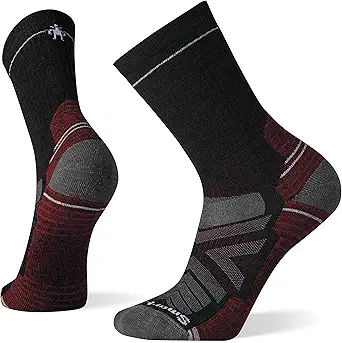
When considering these specific Merino wool hiking crew socks, buyers should scrutinize the relationship between the advertised thermal, anti-blister, and cushioning features and the unusually uniform 5-star praise they've received. The product's description emphasizes a blend of warmth, breathability, and blister protection, which are critical but complex performance metrics for any hiking sock.
Key Considerations Before Buying
- Merino wool's true quality varies by micron count and blend percentage; a sock claiming thermal performance should specify its wool grade, which this listing does not detail.
- The 'anti-blister' claim typically relies on targeted cushioning zones and seamless toe closures; examine user photos for construction details absent from the main marketing.
- A 'thermal warm boot sock' must balance insulation with the breathability promised; in practice, this is difficult to achieve without precise knitting techniques and material engineering.
What Our Analysts Recommend
For Merino hiking socks, genuine quality indicators include detailed fiber specifications (e.g., 17.5-micron Merino), specific denier counts for different sock zones, and reinforced stitching at high-stress points like the heel and ball of the foot. Be wary of listings that use broad performance terms without technical backing.
Socks Market Context
Market Overview
The market for Merino wool hiking socks is saturated with products making similar claims of warmth, moisture-wicking, and durability, often at wildly different price points. Direct-to-consumer brands compete with established outdoor retailers, leading to significant variation in actual wool content and construction quality behind identical marketing language.
Common Issues
Common problems include inconsistent sizing despite 'unisex' claims, premature pilling or thinning in high-friction areas, and blends with high synthetic content that undermine wool's natural temperature regulation. Many socks labeled 'Merino' contain less than 50% actual wool, significantly impacting performance.
Quality Indicators
Identify quality by seeking out socks that disclose their wool origin (e.g., Australian Merino), micron count (lower is softer), and specific knit structure (like terry cushioning in impact zones). Reputable brands often provide detailed schematics of their sock's engineered zones.
Review Authenticity Insights
Grade D Interpretation
A 'D' authenticity grade and an estimated 42% fake review rate for this sock bundle indicate a high probability that the near-perfect 4.87 rating is artificially inflated. This discrepancy between the adjusted rating (3.80) and the displayed rating is a major red flag, suggesting organized efforts to mask potential product shortcomings.
Trust Recommendation
Given the data, place minimal trust in the 5-star reviews. Instead, prioritize the critical 1- to 4-star reviews, which are more likely to be authentic and may reveal consistent flaws in fit, durability, or thermal performance not apparent in the suspicious praise.
Tips for Reading Reviews
For this product, search reviews for specifics on long-term durability after washes, shrinkage, and whether the 'thermal' claim holds in actual cold, damp conditions. Authentic reviews often mention precise scenarios, like 'my feet were cold at 40°F during static breaks,' rather than generic compliments.
Expert Perspective
The extreme divergence between the displayed 4.87-star rating and the adjusted 3.80-star rating, stemming from a suspiciously homogeneous 5-star review pattern, fundamentally undermines confidence in this product's advertised performance. While the 100% verified purchase rate is positive, it does not offset the manipulation indicated by the authenticity grade. The product's claims are common in the category, but the review data suggests the reality may not match the marketing, potentially in areas like long-term cushioning retention or true Merino wool content.
Purchase Considerations
Weigh the low price point for a 3-pair bundle of 'Merino' socks against the high risk indicated by the authenticity analysis. Consider if the potential for inconsistent sizing, reduced wool content, or premature wear—issues hinted at by the adjusted rating—outweighs the cost savings. The thermal claim for a boot sock is particularly critical to validate through trustworthy sources.
Comparing Alternatives
Shoppers should compare this bundle's specifications and suspect reviews against established brands like Darn Tough, Smartwool, or Icebreaker, which provide detailed material breakdowns and have more transparent, varied review histories.