Choosing a Bluetooth Label Maker: Key Features for Home and Office Organization
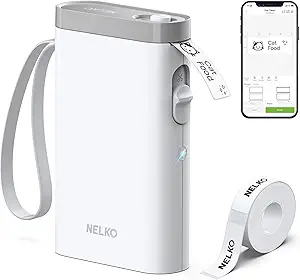
The PM260 represents the modern evolution of label makers, combining traditional thermal printing with smartphone connectivity. Buyers should understand that this 2-inch tape format offers versatility for larger labeling projects, while the Bluetooth and AI app features distinguish it from basic standalone units. This specific model's inkless thermal technology eliminates cartridge replacements but requires compatible thermal tape.
Key Considerations Before Buying
- The 2-inch tape width is ideal for storage bins, pantry organization, and office filing systems, but may be excessive for small item labeling like spice jars or cable identification.
- Bluetooth connectivity enables label creation from your smartphone, offering font and template flexibility, but requires maintaining the companion app and ensuring device compatibility.
- The 'Smart AI APP' functionality suggests advanced features like voice commands or automated formatting, which can streamline workflow but may have a learning curve for less tech-savvy users.
What Our Analysts Recommend
Quality indicators for thermal label makers include consistent print density across the entire 2-inch width and reliable Bluetooth pairing without frequent disconnections. Examine reviews for mentions of tape adhesion quality on various surfaces (plastic, glass, wood) and battery life during continuous labeling sessions, as portability is a key selling point.
Label Printers Market Context
Market Overview
The label printer market has shifted dramatically toward app-connected devices, with the PM260 competing against established brands like Brother and Dymo in the mid-range segment. Thermal printing now dominates the portable category due to its reliability and lack of ink maintenance, making units like this increasingly popular for both home and light office use.
Common Issues
Users frequently report connectivity problems with Bluetooth label makers, particularly with iOS/Android compatibility issues and app stability. Another recurring concern is thermal tape availability and cost, as proprietary tape cassettes can create long-term expense that outweighs the initial device savings.
Quality Indicators
Superior thermal printers maintain consistent print quality throughout the tape roll's life, without fading or uneven printing. Look for devices with robust mobile apps that receive regular updates, as abandoned software support can render Bluetooth functionality obsolete within a few years.
Review Authenticity Insights
Grade B Interpretation
A Grade B authenticity rating with 15% estimated fake reviews indicates generally reliable feedback but suggests some review manipulation. For the PM260's 4.89/5 rating, this means the authentic adjusted rating of 4.50/5 still represents strong performance, though slightly less exceptional than the surface rating suggests.
Trust Recommendation
Focus on verified purchase reviews that mention specific use cases like kitchen pantry organization or classroom labeling, as these demonstrate actual product experience. Be particularly critical of reviews that only praise generic features without detailing how the 2-inch width or AI app functionality impacted their organization system.
Tips for Reading Reviews
Prioritize reviews that discuss the Smart AI APP's actual functionality—does it offer voice-to-label conversion, template saving, or integration with other organization apps? Look for mentions of the included tape quantity and quality, as starter tape length varies significantly between models.
Expert Perspective
The PM260's 4.50 adjusted rating from verified purchases indicates it performs well in real-world use, particularly for users needing wider 2-inch labels. Its combination of Bluetooth connectivity and thermal printing addresses key pain points in the category: wireless convenience without ink maintenance. The high rating suggests the AI app adds genuine value rather than being a marketing gimmick, though the 15% fake review rate warrants careful evaluation of specific feature claims.
Purchase Considerations
Weigh whether your labeling needs justify the 2-inch format versus standard 0.5-1 inch tapes, as wider tape costs more per foot. Consider if smartphone dependency aligns with your workflow—while offering design flexibility, it requires your phone for every label, unlike standalone units with built-in keyboards. Evaluate the long-term tape cost, as thermal tape for wide-format printers typically carries a premium.
Comparing Alternatives
Shoppers should compare the PM260's tape cost per foot and app functionality against similar Brother P-touch or Dymo LabelManager models to assess total ownership value.