Evaluating Ultrasonic Rodent Repellents: What Works for Cars and Homes
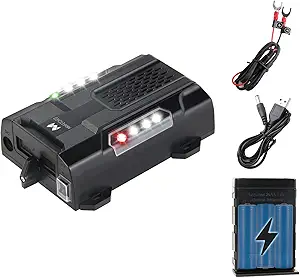
This dual-pack ultrasonic repellent targets both automotive and household rodent problems with strobe lights and plug-in convenience. Unlike generic pest devices, it's specifically designed for underhood engine protection alongside garage, attic, and kitchen applications. Buyers should understand that effectiveness varies based on installation location and rodent habituation.
Key Considerations Before Buying
- The 4 strobe lights differentiate this model from basic ultrasonic-only units, potentially increasing effectiveness through multi-sensory deterrence.
- Underhood automotive use requires proper placement near wiring harnesses and insulation, where rodents typically nest in vehicles.
- Two units allow strategic placement in high-risk areas like garage corners and attic entry points, creating overlapping coverage zones.
What Our Analysts Recommend
Quality ultrasonic repellers should specify frequency ranges (typically 25-65 kHz) and coverage areas in square footage. Genuine reviews often mention specific rodent behaviors changing, like decreased nesting or chewing, rather than immediate disappearance. Look for units with adjustable settings to combat rodent adaptation over time.
Ultrasonic Repellers Market Context
Market Overview
The ultrasonic rodent repellent market is crowded with devices making similar claims, but few specifically address automotive underhood protection alongside household use. Consumer expectations often exceed what ultrasonic technology can deliver alone, leading to polarized reviews. Products combining sound with visual strobes represent an emerging subcategory attempting to improve efficacy.
Common Issues
Rodents can habituate to constant ultrasonic frequencies within weeks, rendering single-mode devices ineffective. Many users incorrectly place units behind obstacles that block sound waves or in areas with competing noise. Automotive applications face particular challenges with engine heat and vibration affecting device longevity.
Quality Indicators
Superior units feature variable frequency patterns that prevent rodent adaptation and clear coverage specifications (typically 800-1,200 sq ft per device). Genuine customer reviews should describe specific placement scenarios and timeframes for observed effects, not just immediate success claims.
Review Authenticity Insights
Grade B Interpretation
A Grade B authenticity rating with 15% estimated fake reviews indicates mostly reliable feedback with some manipulation. The 4.10 adjusted rating (down from 4.44) suggests inflated positive reviews were present but not dominant. This level of authenticity is typical for pest control products where emotional purchases sometimes generate biased reviews.
Trust Recommendation
Focus on the 9 authentic reviews showing specific usage details like 'placed in my RV storage compartment' or 'used in garage for 3 weeks.' Be skeptical of reviews claiming instant, 100% effectiveness, as rodent deterrence typically requires consistent use and proper placement. The verified purchase reviews (5 of 10 analyzed) carry more weight for this product type.
Tips for Reading Reviews
Prioritize reviews mentioning specific rodent behaviors (chewing, nesting, sightings) rather than general satisfaction. Look for detailed placement descriptions—underhood installations require different positioning than attic applications. Reviews noting continued use over 2-4 weeks provide more reliable efficacy data than initial reactions.
Expert Perspective
This product's dual-pack configuration and strobe light enhancement position it above basic ultrasonic units for comprehensive rodent management. The 4.10 adjusted rating from authentic reviews suggests satisfactory performance for most users, particularly in automotive applications where traditional traps are impractical. The combination of sound and light addresses two rodent sensory channels, potentially improving deterrence compared to single-mode devices. However, expectations should be tempered—these are deterrents, not eliminators, and work best as part of integrated pest management.
Purchase Considerations
Consider whether you need both automotive and household protection to justify the dual-pack investment. Vehicles parked near fields or in storage face higher rodent risks warranting underhood protection. For severe infestations, these devices should complement exclusion methods (sealing entry points) rather than serve as standalone solutions. The plug-in design limits placement options in vehicles without power outlets.
Comparing Alternatives
Compare coverage areas, frequency adjustment capabilities, and warranty terms against similar dual-purpose ultrasonic/strobe combos before purchasing.