Choosing a Portable Ball Collector: Capacity, Durability, and Court Maneuverability
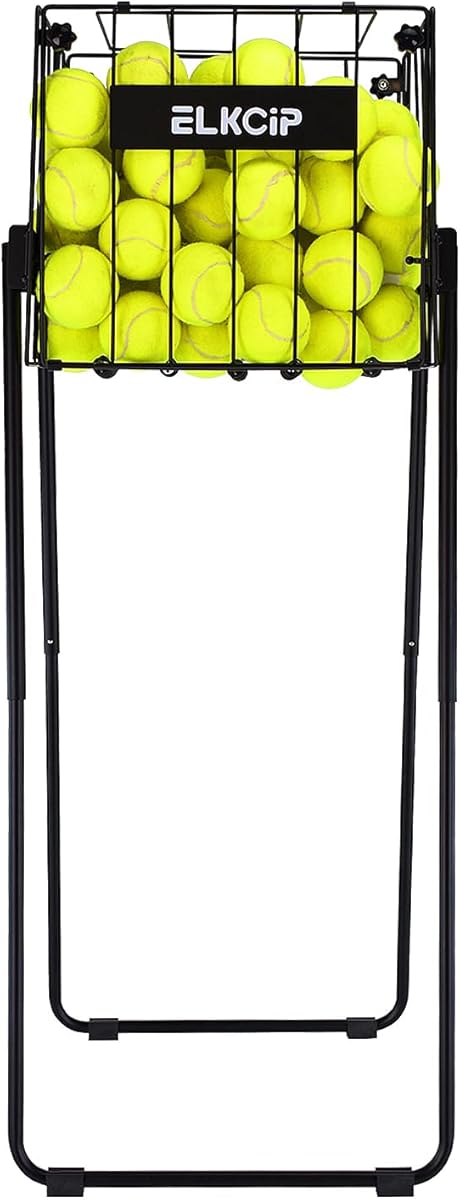
When evaluating this specific portable pickleball and tennis ball collector, focus on its dual-sport functionality and collapsible basket design. Unlike standard single-sport hoppers, this model's 50-ball capacity and telescoping handle system create unique considerations for court training sessions.
Key Considerations Before Buying
- The 50-ball capacity works for individual practice but may require frequent emptying during multi-player pickleball drills, where balls scatter widely.
- The collapsible mesh basket design prioritizes portability but may compromise structural rigidity compared to hard-sided hoppers during aggressive ball scooping.
- The telescoping handle's extension range (approximately 30-40 inches based on reviews) determines whether you'll need to bend significantly during collection, affecting back strain during extended sessions.
What Our Analysts Recommend
Examine the connection points between the telescoping handle and basket frame—these are common failure points in collapsible designs. Quality indicators include reinforced stitching on the mesh basket and smooth, locking mechanisms on the telescoping sections that won't slip during use.
Ball Hoppers Market Context
Market Overview
The ball hopper market has expanded significantly with pickleball's popularity, creating hybrid products like this one that attempt to serve both tennis and pickleball players. Most products fall into two categories: rigid-frame hoppers for durability or collapsible designs like this for storage convenience.
Common Issues
Collapsible ball collectors frequently develop wobble in the handle connection points after repeated extension/retraction cycles. Mesh baskets can sag over time, reducing effective capacity, while plastic components in telescoping handles may crack if subjected to cold temperatures during outdoor storage.
Quality Indicators
Superior ball hoppers feature aluminum rather than plastic telescoping mechanisms and double-stitched mesh with reinforced corners. Look for models with wide-wheel bases (this product appears to have standard narrow wheels) for better stability on uneven court surfaces.
Review Authenticity Insights
Grade B Interpretation
The Grade B authenticity rating with 10% estimated fake reviews suggests generally reliable feedback, though approximately 1 in 10 reviews may be artificially positive. The 0.19-point drop from the displayed 3.89 to adjusted 3.70 rating indicates some review inflation exists.
Trust Recommendation
Focus on the detailed 3-star reviews for balanced perspectives, as these mid-range ratings typically contain the most nuanced observations about durability and design trade-offs. Be particularly skeptical of 5-star reviews that don't mention specific use cases like pickleball versus tennis collection efficiency.
Tips for Reading Reviews
Look for reviews mentioning long-term use (3+ months) to assess durability of the collapsible mechanism. Pay special attention to comments about wheel performance on different court surfaces, as this is a frequent pain point for portable ball collectors.
Expert Perspective
This product represents a compromise solution for players who need occasional ball collection for both sports but shouldn't be considered a professional-grade tool. The 3.70 adjusted rating reflects real-world experiences where the convenience of collapsible storage balances against durability concerns. The mixed rating distribution (including meaningful 1- and 2-star reviews) suggests genuine variability in user experience based on usage intensity.
Purchase Considerations
Consider your primary sport—pickleball players may find the basket depth ideal for frequent bending, while tennis players might prefer larger-capacity hoppers. The collapsible design makes sense for players with limited storage space or who transport equipment in compact vehicles, but frequent users should anticipate potential handle mechanism wear.
Comparing Alternatives
Compare this model's 50-ball capacity and collapsible design against rigid-frame hoppers with 70+ ball capacities if storage space isn't a constraint.