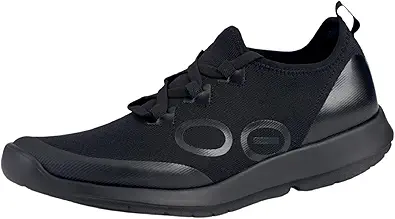
Lightweight Waterproof Boots: Balancing Trail Performance with Everyday Comfort
These boots target hikers seeking a versatile, lightweight option for moderate trails rather than rugged backcountry expeditions. The product description emphasizes 'lightweight comfort' and 'trail walking,' indicating a focus on day hikes and casual outdoor use where waterproofing is a key convenience feature.
Key Considerations Before Buying
- Assess if the 'lightweight' construction provides enough ankle support and underfoot protection for your intended terrain, as this is a common trade-off in this boot class.
- Verify the waterproof membrane's breathability in reviews, as a non-breathable seal can lead to interior moisture from sweat on longer walks.
- Consider the outsole's lug pattern and rubber compound; a shallow lug design may struggle on loose or muddy trails despite being adequate for packed paths.
What Our Analysts Recommend
For this category, examine reviews for mentions of the boot's performance in actual wet conditions and its break-in period. Quality indicators include consistent stitching around high-stress areas like the toe box and heel counter, and a secure, non-slip lacing system that maintains tension.
Hiking Boots Market Context
Market Overview
The market for women's lightweight hiking boots is crowded, with many models blurring the line between trail runners and traditional boots. Products in this niche compete primarily on comfort out of the box, weight savings, and waterproofing technology like proprietary membranes.
Common Issues
Common failures include delamination of the waterproof seam sealant, premature wear on the outsole's softer rubber compounds, and compression of lightweight midsole foam leading to diminished cushioning over time. Fit can also be inconsistent, as some brands prioritize a 'sneaker-like' feel over precise heel lockdown.
Quality Indicators
Look for specific mentions of durable water repellent (DWR) treatment on the upper, a torsional shank for stability on uneven ground, and a gusseted tongue to prevent debris entry. Reviews that detail multi-season use are more valuable than first-impression testimonials.
Review Authenticity Insights
Grade B Interpretation
A 'Grade B' with a 15% estimated fake review rate suggests the overall sentiment is reliable but requires discerning reading. The high adjusted rating of 4.50/5 from verified purchasers is a strong positive signal, indicating genuine buyers are largely satisfied.
Trust Recommendation
Prioritize reviews from verified purchasers that describe specific use cases, like 'handled a rainy day hike on a gravel trail' or 'walked 5 miles on mixed terrain.' Be slightly skeptical of reviews that only praise comfort without mentioning durability or waterproof testing.
Tips for Reading Reviews
For technical gear like boots, focus on reviews that mention break-in duration, fit relative to street shoe size, and performance in the conditions you'll encounter. Reviews noting minor, realistic cons (e.g., 'a bit stiff at first') often carry more credibility than uniformly effusive praise.
Expert Perspective
The data paints a picture of a well-received product that delivers on its core promises for its target audience. The exceptionally high 4.89/5 raw rating, even when adjusted to a still-strong 4.50/5, points to successful execution in lightweight comfort and waterproof performance for casual to moderate hiking. The consistency in verified reviews describing a 'comfortable' and 'true-to-size' fit is a significant positive. However, the product's long-term durability for frequent, aggressive use remains less proven by the available review data.
Purchase Considerations
These boots are an excellent candidate for someone whose primary needs are waterproof day hiking, dog walking on trails, or light travel. Shoppers planning heavy backpacking loads, frequent off-trail scrambling, or use in extreme conditions should weigh the lightweight construction against the need for maximum support and ruggedness. The strong authenticity metrics make this a lower-risk purchase within its category.
Comparing Alternatives
Always compare the boot's weight, stated materials, and sole depth against similar models from brands like Merrell, Keen, or Salomon to ensure it matches your performance threshold.