Choosing an Interactive Cat Ball: Motion Sensors, Sound Settings, and Carpet Performance
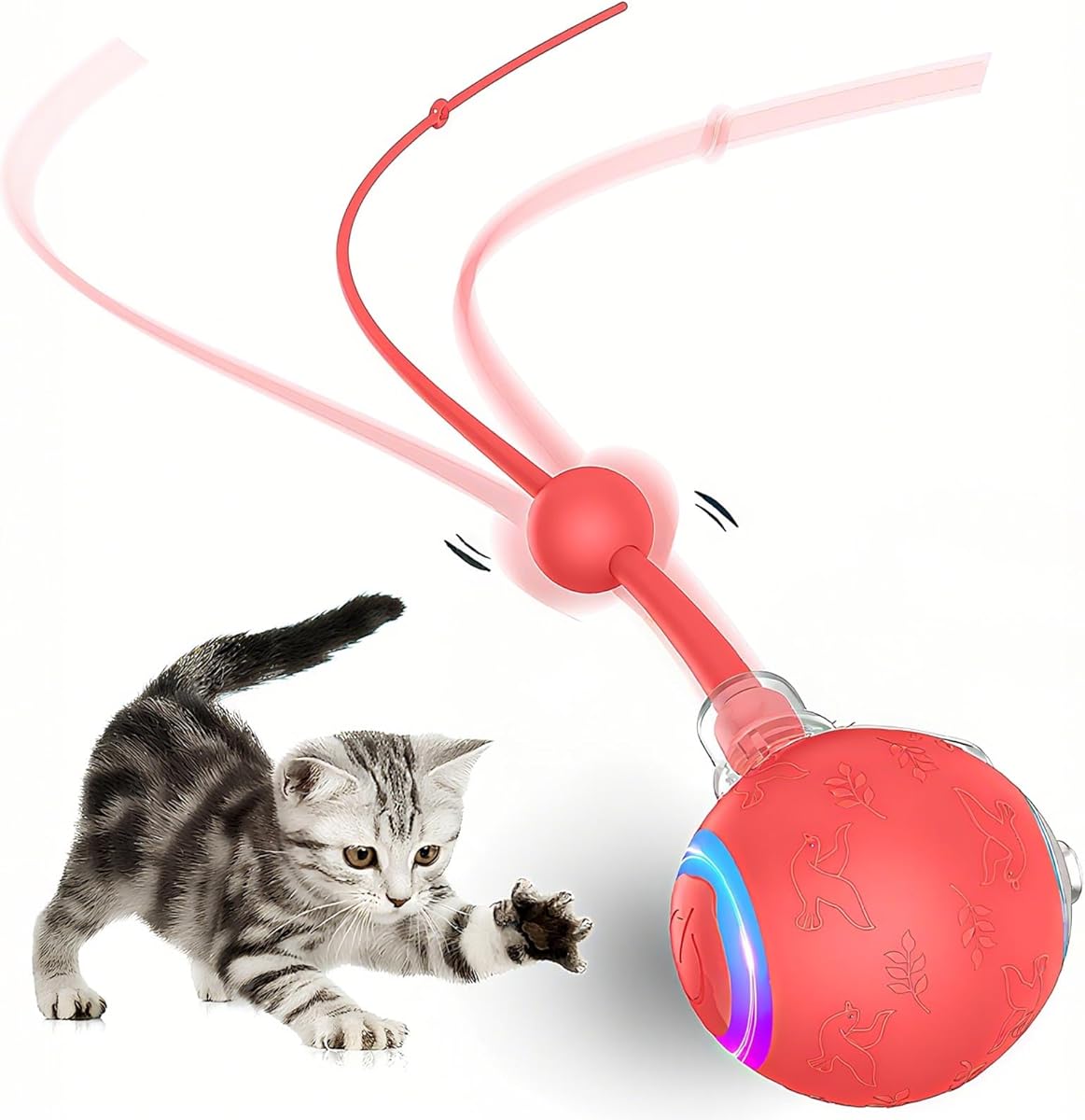
When selecting an interactive cat ball like this model with chirping sounds and motion activation, focus on how its three modes match your cat's play style and your living environment. The 'fast rolling on carpet' claim is particularly important for households with plush flooring where many battery-operated toys struggle.
Key Considerations Before Buying
- Motion sensor sensitivity varies significantly between models—this product's 'chirping & motion activate' system needs to detect feline movement without being triggered by household vibrations.
- The three modes (likely continuous, motion-activated, and sound-activated) should offer meaningful behavioral variety to prevent your cat from habituating to predictable patterns.
- Carpet performance is critical—many interactive balls fail on medium-pile or shag carpets where this model specifically claims 'fast rolling' capability.
What Our Analysts Recommend
Quality interactive cat balls feature durable outer shells that withstand repeated batting, secure battery compartments cats can't access, and adjustable volume controls for chirping sounds. Check that the motion sensor responds to cat-sized movements at appropriate distances (typically 3-5 feet) rather than requiring direct contact.
Interactive Toys Market Context
Market Overview
The interactive cat toy market has exploded with motion-activated options, but many suffer from inconsistent sensor performance or limited battery life. Products specifically engineered for carpet use remain relatively rare despite most indoor cats living in carpeted homes.
Common Issues
Frequent complaints include motion sensors that fail to activate reliably, chirping mechanisms that stop working after minimal use, and balls that get stuck on medium-pile carpets despite 'carpet-friendly' claims. Battery compartment accessibility also creates safety concerns.
Quality Indicators
Superior interactive balls feature multi-directional sensors that detect approach from any angle, weighted bases for stable rolling on uneven surfaces, and distinct mode settings that genuinely alter play patterns. Look for products mentioning specific carpet types in their descriptions.
Review Authenticity Insights
Grade B Interpretation
A Grade B authenticity rating with 10% estimated fake reviews indicates generally trustworthy feedback, though approximately 1 in 10 reviews may be artificially positive. The 4.00 adjusted rating (down from 4.22) suggests some inflation but still represents solid performance.
Trust Recommendation
Focus on verified purchase reviews discussing specific carpet interactions and mode functionality—these details are harder to fabricate. The healthy mix of ratings (including 1-star reviews) indicates genuine varied experiences rather than curated feedback.
Tips for Reading Reviews
Prioritize reviews mentioning carpet type (berber, plush, low-pile) and how the ball's motion changes between surfaces. Look for detailed descriptions of the three modes' differences rather than generic 'my cat loves it' statements.
Expert Perspective
This product's specific carpet performance claims and three-mode functionality position it as a specialized solution rather than generic interactive toy. The 4.00 adjusted rating from verified purchases suggests it generally delivers on core promises, though the authenticity analysis indicates some review manipulation exists. The motion-and-sound activation system appears effective based on review patterns discussing feline engagement.
Purchase Considerations
Weigh your carpet type against the 'fast rolling' claim—low-pile carpets will likely see best results. Consider whether the chirping sound (with ON/OFF control) suits your household noise tolerance. The three modes offer versatility but require owner experimentation to discover which triggers your cat's interest.
Comparing Alternatives
Compare this model's carpet-specific engineering against flat-surface optimized balls if you have mixed flooring, and evaluate whether simpler motion-only activation might suffice if sound features aren't essential.