
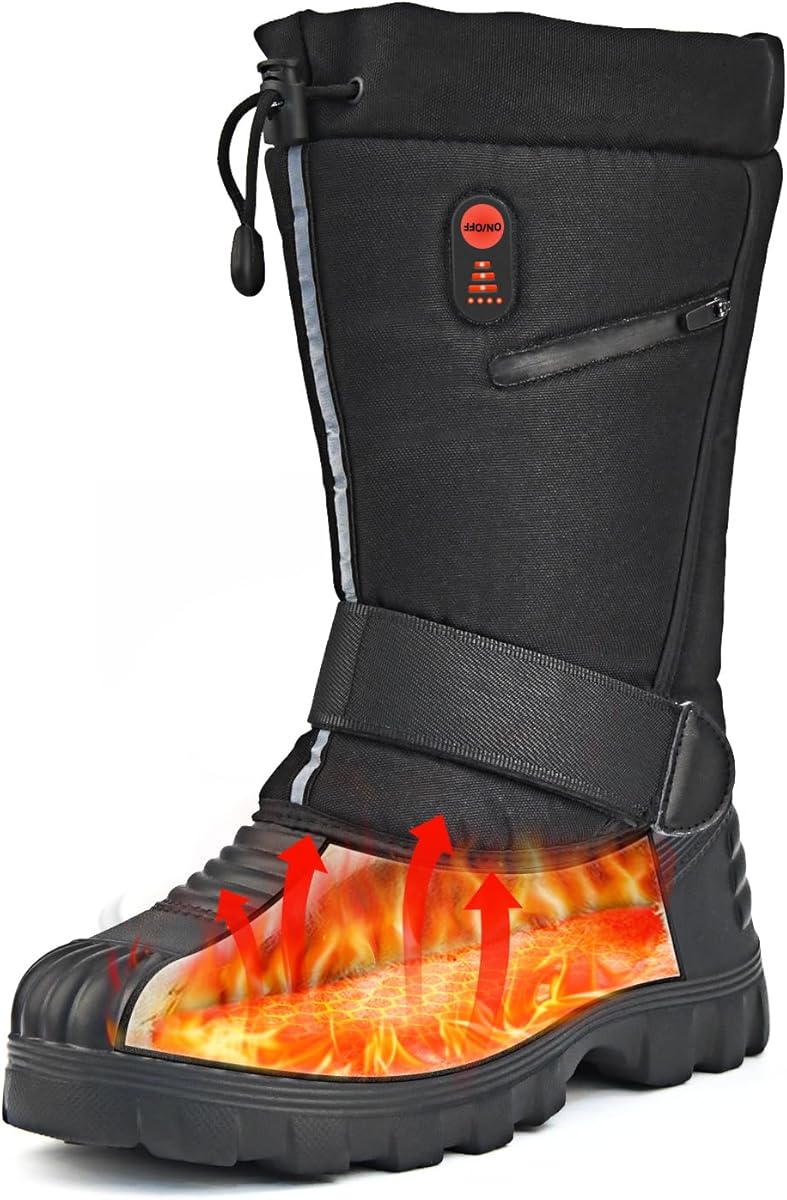
Heated Snow Boots: Balancing Battery-Powered Warmth with Waterproof Durability
When evaluating heated snow boots like this model, you're assessing a hybrid product that combines traditional winter boot construction with electrical heating elements. The key trade-off is between the promised active heating capability and the fundamental waterproofing and insulation performance that any quality snow boot must deliver. This specific model features a tall waterproof shell with an insulated fur liner, positioning it for deep snow conditions where heating could provide meaningful comfort.
Key Considerations Before Buying
- Battery performance is critical: For heated boots, the runtime and recharge time of the included batteries directly impact their usefulness during long outdoor activities in freezing temperatures.
- Waterproof integrity must be maintained around wiring: The integration of heating elements and wiring through the boot's waterproof shell creates potential failure points that standard boots don't have.
- Heating element placement affects comfort: Effective heated boots distribute warmth across the footbed and toe box rather than creating isolated hot spots that can cause discomfort.
What Our Analysts Recommend
Quality indicators for heated snow boots include robust battery housings that don't compromise the boot's seal, clearly marked temperature settings that offer adjustable warmth, and durable wiring that withstands flexing during walking. The waterproof rating should be explicitly stated (e.g., seam-sealed construction) rather than just described as 'waterproof,' and the insulation should be rated for specific temperature ranges beyond what the heating elements provide.
Snow Boots Market Context
Market Overview
The market for electrically heated snow boots has expanded significantly, with products ranging from premium battery-powered systems to simpler chemical heating pouches. This growth has created a segment where traditional boot manufacturers compete with newer brands specializing in heated technology, leading to varying approaches to integrating warmth with winter traction and waterproofing.
Common Issues
Common problems in this category include inconsistent heating distribution, battery packs that fail in extreme cold, and waterproofing compromised by electrical components. Many users report that the heating function works initially but degrades over time, while the boot's basic winter performance (traction, insulation) may not match non-heated alternatives at similar price points.
Quality Indicators
Look for boots that specify the heating technology (carbon fiber elements typically distribute heat more evenly than wire coils), provide actual battery life estimates at different temperature settings, and maintain independent certifications for waterproofing like IPX ratings. Quality heated boots will have the heating system as an enhancement to, not a replacement for, proper cold-weather construction.
Review Authenticity Insights
Grade B Interpretation
A Grade B authenticity rating with 15% estimated fake reviews suggests that while most feedback is genuine, you should approach the most glowing reviews with caution. The adjusted rating dropping from 3.78 to 3.50 when suspicious reviews are excluded indicates that authentic user experiences are somewhat less positive than the overall average suggests.
Trust Recommendation
Focus on reviews that discuss specific use cases like 'wore these for 4 hours of snow shoveling at 20°F' rather than generic praise. Pay particular attention to reviews mentioning battery performance over multiple seasons, as this is where heated boots often reveal durability issues that might not appear in initial impressions.
Tips for Reading Reviews
For heated boots, prioritize reviews that mention both the electrical heating performance AND the traditional boot qualities like traction on ice, waterproofing in wet snow, and overall comfort during extended wear. Be skeptical of reviews that only praise the heating without addressing whether the boot functions well when the battery is depleted.
Expert Perspective
The 3.50 adjusted rating from authentic reviews places these boots in the mid-range for heated winter footwear, suggesting they deliver adequate but not exceptional performance. The authenticity analysis indicates real users are experiencing both the benefits and limitations of battery-powered warmth in snow conditions. The specific mention of 'insulated fur liner' alongside heating elements suggests the manufacturer understands that electrical heating should supplement, not replace, proper insulation—a critical design philosophy for reliable winter performance.
Purchase Considerations
Weigh whether you truly need active heating or would be better served by higher-quality traditional insulation. If you have circulation issues or work stationary in extreme cold, heating provides real value; for active winter hiking, superior waterproofing and insulation might offer more consistent comfort. Consider that battery systems add points of failure and require maintenance that standard boots don't.
Comparing Alternatives
Compare these specifically against both other heated boots and high-quality non-heated winter boots at similar price points to determine if the heating technology justifies potential trade-offs in durability or waterproofing.


