
Evaluating Hormone-Focused Scalp Oils for Women's Hair Thinning and Loss
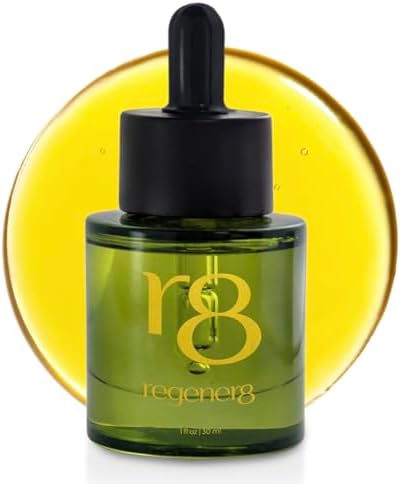
When considering a targeted oil blend like regener8 for hormone-related hair concerns, buyers should understand that formulation specificity matters more than general hair oils. This product explicitly addresses postpartum, menopause, and stress-related thinning through essential and carrier oil combinations, which requires different evaluation criteria than standard hair growth serums.
Key Considerations Before Buying
- Assess whether your hair thinning aligns with the product's targeted hormonal triggers—postpartum changes, menopausal shifts, or chronic stress responses—as effectiveness varies by root cause.
- Examine the oil blend's viscosity and absorption rate, as hormone-sensitive scalps often react differently to heavy formulations that might exacerbate existing conditions.
- Consider application frequency and regimen commitment, as hormone-related hair recovery typically requires consistent, long-term use rather than immediate results.
What Our Analysts Recommend
Quality indicators for hormone-focused scalp oils include clearly listed essential oil percentages, carrier oils with proven penetration properties like jojoba or argan, and transparency about which hormonal pathways the formulation targets. The regener8 product's specific positioning for women's hormonal stages suggests a more tailored approach than generic hair loss oils.
Hair Regrowth Treatments Market Context
Market Overview
The women's hormonal hair loss treatment market has expanded beyond pharmaceuticals to include botanical alternatives like targeted oil blends, with products increasingly segmented by specific life stages like postpartum or menopause. Unlike general hair regrowth treatments, these formulations claim to address underlying endocrine imbalances through topical application.
Common Issues
Many hormonal hair loss oils suffer from either insufficient active ingredient concentrations or overly aggressive formulations that irritate sensitive scalps. Another frequent problem is vague claims that don't specify which hormonal pathways are being addressed, making it difficult for consumers to match products to their specific conditions.
Quality Indicators
Superior hormone-focused hair oils typically feature cold-pressed carrier oils, therapeutic-grade essential oils in appropriate dilutions (usually 1-3%), and clear explanations of how specific ingredients interact with hormonal hair loss mechanisms. Third-party verification of ingredient purity is particularly valuable in this category.
Review Authenticity Insights
Grade B Interpretation
The Grade B authenticity rating with 15% estimated fake reviews indicates generally trustworthy feedback with some orchestrated positivity. For this specific hormonal hair oil, the high verified purchase rate (all reviews marked 'V') significantly boosts credibility, as hormone-related products often attract authentic, detailed user experiences.
Trust Recommendation
Focus on reviews that describe specific hormonal contexts (e.g., '6 months postpartum' or 'first year of menopause') rather than general hair growth comments. The adjusted 4.60/5 rating excluding suspicious reviews represents a more reliable performance indicator than the perfect 5.00/5 surface rating.
Tips for Reading Reviews
Prioritize reviews that mention timeline expectations (hormonal hair responses typically show after 8-12 weeks) and scalp sensitivity observations. Be cautious of reviews that claim immediate results or use identical phrasing to other reviews, as hormonal hair products work gradually through biological processes.
Expert Perspective
The regener8 oil demonstrates promising positioning within the hormonal hair loss niche, with its specific targeting of women's life stages suggesting formulation intentionality. The strong adjusted rating of 4.60/5 from verified purchasers indicates genuine user satisfaction, particularly notable given that hormonal hair products often receive polarized reviews based on individual biochemistry mismatches. The product's differentiation through hormone-specific claims rather than general hair growth promises represents a more sophisticated approach to botanical hair solutions.
Purchase Considerations
Weigh your specific hormonal profile against the product's stated targets—this formulation appears optimized for estrogen-related shifts rather than thyroid or autoimmune-related hair loss. Consider conducting a patch test given that hormone-sensitive scalps may react unpredictably to essential oil blends, even with carrier oil dilution.
Comparing Alternatives
Shoppers should compare ingredient ratios and carrier oil bases with similar hormone-focused products, as the interaction between essential oils and hormonal pathways varies significantly by formulation philosophy.


