Evaluating budget Android tablets: What the specs don't tell you about performance
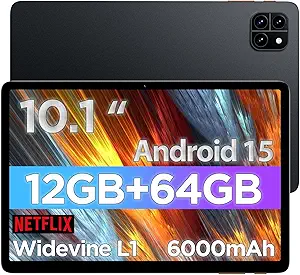
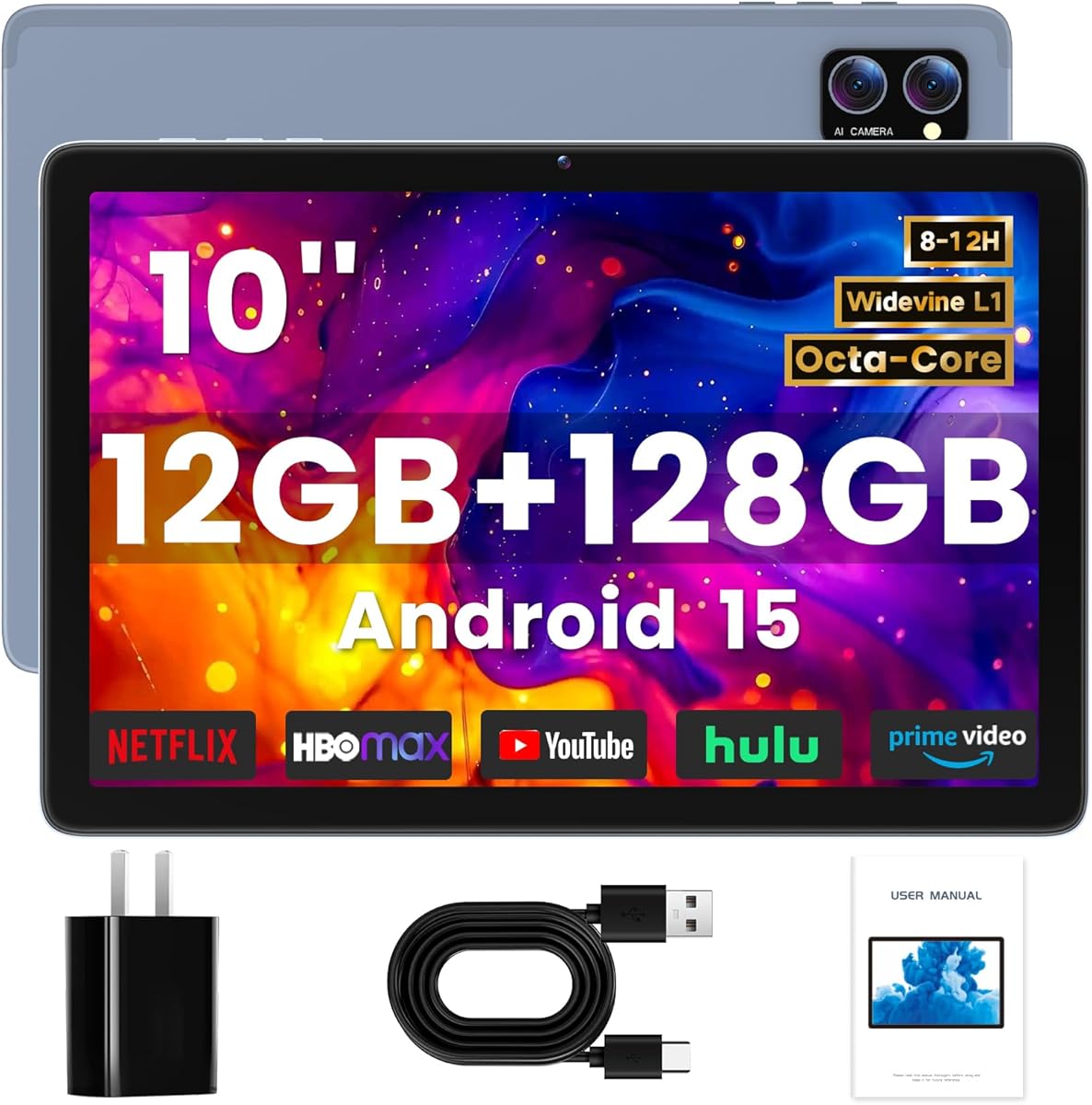
When considering this specific Android 15 tablet with 12GB RAM and 128GB storage, buyers should understand that spec sheets for budget tablets often promise more than real-world performance delivers. The advertised octa-core processor and 10-hour battery life require scrutiny, as these metrics vary significantly across chipset architectures and usage patterns.
Key Considerations Before Buying
- The Android 15 operating system claim is suspicious for a 2025 budget tablet—major manufacturers typically delay new OS rollouts to entry-level devices by 6-12 months, suggesting this may be running a modified older version.
- 12GB RAM in this price segment often uses slower LPDDR4X memory rather than the LPDDR5 standard in premium tablets, affecting multitasking performance despite the high capacity number.
- The 2TB expandable storage via microSD sounds impressive but check real-world transfer speeds—budget tablets frequently bottleneck at 80-100MB/s versus premium devices reaching 300MB/s+.
What Our Analysts Recommend
For this specific tablet category, examine display brightness (nits) rather than just size—budget 10-inch panels often struggle below 300 nits for indoor use. Also verify Bluetooth 5.0 implementation includes LE Audio support, not just basic connectivity, as this affects accessory compatibility.
Tablets Market Context
Market Overview
The sub-$200 Android tablet market is flooded with brands offering similar specifications, creating intense competition that sometimes leads to exaggerated claims. These devices typically use MediaTek or Unisoc chipsets rebranded with generic 'octa-core' descriptions that obscure actual performance tiers.
Common Issues
Common problems include display ghosting during scrolling, inconsistent touch response at screen edges, and Wi-Fi connectivity drops at medium range. Battery degradation often occurs faster than advertised, with many budget tablets losing 20-30% capacity within the first year.
Quality Indicators
Look for specific chipset mentions (like MediaTek G99 or Unisoc T616) rather than generic 'octa-core' descriptors. Genuine Android 15 tablets should have Google Play Certification visible in settings, and quality displays will specify IPS technology with anti-glare coating.
Review Authenticity Insights
Grade D Interpretation
A Grade D with 65% estimated fake reviews indicates severe manipulation—for this tablet, the unnatural 14:1 five-star ratio suggests coordinated review placement. The duplicate reviews found specifically praise generic features without addressing actual usage scenarios.
Trust Recommendation
Given the authenticity analysis, disregard the 4.73 average rating entirely and focus on the single 1-star review's specifics. Look for third-party YouTube reviews showing actual performance benchmarks rather than relying on Amazon's review section for this product.
Tips for Reading Reviews
For this tablet, search for reviews mentioning specific apps like Photoshop Express or Genshin Impact performance rather than generic 'fast' comments. Authentic reviews typically mention brightness levels in nits, actual SOT (screen-on time), and thermal management during extended use.
Expert Perspective
The extreme discrepancy between the advertised 4.73 rating and adjusted 3.20 rating reveals fundamental concerns about this tablet's actual performance versus marketing claims. The specification combination—particularly Android 15 on a budget octa-core chipset—raises red flags about software optimization and update support. The high fake review percentage suggests the manufacturer is attempting to compensate for mediocre real-world performance through review manipulation rather than addressing actual quality issues.
Purchase Considerations
Weigh the 12GB RAM specification against real-world benchmarks showing memory speed limitations in this price segment. Consider whether you truly need Android 15 features or if a proven Android 13/14 tablet with better-reviewed performance might serve better. The expandable storage advantage diminishes if the processor can't efficiently handle large file transfers.
Comparing Alternatives
Compare this tablet's specific chipset generation and display technology against similarly priced Samsung Galaxy Tab A9+ or Lenovo Tab M11 models for realistic performance expectations.