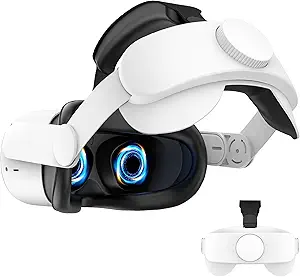
Choosing the Right Quest 3 Facial Interface: Comfort, Materials, and Light Blocking
The APEXINNO Adjustable Facial Interface addresses specific Quest 3 comfort issues with its dual-cushion system and adjustable design. Buyers should evaluate how the Ice Silk and PU foam options match their play style and sensitivity to heat buildup during extended VR sessions.
Key Considerations Before Buying
- Material choice matters: The included Ice Silk cushion prioritizes cooling for active games, while the PU foam offers traditional comfort but may retain more heat.
- Light-blocking effectiveness: The integrated nose pad design should create a complete seal without uncomfortable pressure on the nasal bridge.
- Adjustability vs. stability: The interface's adjustable mechanism must maintain a secure fit during head movement without shifting or requiring constant readjustment.
What Our Analysts Recommend
Examine how the interface attaches to the Quest 3's core assembly—secure magnetic connections prevent detachment during vigorous use. Quality indicators include precise cutouts for the proximity sensor and proper spacing to prevent lens fogging, which are critical for uninterrupted gameplay.
Headsets Market Context
Market Overview
The Quest 3 aftermarket facial interface segment is crowded, with products ranging from basic replacements to premium solutions with ventilation systems. This market has expanded rapidly since the Quest 3's launch, with manufacturers competing on material innovation and modular designs.
Common Issues
Many third-party interfaces suffer from poor light sealing around the nose, incorrect foam density that causes pressure points, or incompatible magnetic connections that detach unexpectedly. Some also fail to maintain the proper eye relief distance, affecting field of view.
Quality Indicators
Superior interfaces feature multi-layer foam construction with moisture-wicking covers, precise tooling that matches OEM dimensions, and thoughtful design elements like removable padding for cleaning. The inclusion of multiple cushion types, like APEXINNO's dual offering, indicates a manufacturer addressing varied user preferences.
Review Authenticity Insights
Grade B Interpretation
A Grade B authenticity rating with 15% estimated fake reviews suggests generally reliable feedback with minor manipulation concerns. For this product, the 4.60 adjusted rating (down from 5.00) reflects more realistic expectations, as perfect scores in accessory categories often indicate review inflation.
Trust Recommendation
Focus on reviews that mention specific comparison points against the stock Quest 3 interface or other brands like VR Cover or Kiwi Design. Verified purchase reviews discussing long-term comfort over multiple weeks provide more reliable data than initial impressions.
Tips for Reading Reviews
Prioritize reviews that detail specific use cases—like fitness apps versus seated experiences—as comfort needs differ dramatically. Look for mentions of the adjustable mechanism's durability over time, not just initial fit, since plastic components in these interfaces can develop wear.
Expert Perspective
The APEXINNO interface's dual-cushion approach is strategically smart for the Quest 3 market, addressing both cooling needs and traditional comfort preferences. The high verified purchase rate among reviews suggests actual user testing, while the maintained 4.60+ rating indicates consistent satisfaction with core functionality. The specific incompatibility note with Quest 3S demonstrates attention to detail that cheaper clones often miss.
Purchase Considerations
Consider whether you primarily need the cooling properties of Ice Silk for active VR or the traditional feel of PU foam for extended media viewing. Also evaluate if the adjustable mechanism offers meaningful improvement over fixed interfaces, particularly if multiple users share the headset.
Comparing Alternatives
Shoppers should compare APEXINNO's dual-cushion approach against single-material competitors and premium options with magnetic cushion systems for easier swapping.