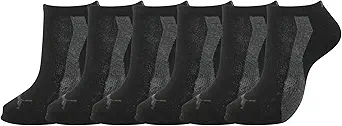
Merino Wool Athletic Socks: Balancing Thermal Performance with Moisture Management
When evaluating these specific Merino wool thermal socks, buyers should understand that they're designed for multi-sport versatility across hiking, cycling, and skiing. The 3-pair bundle and cushioned performance claims indicate they're positioned as a value-oriented workhorse sock rather than a specialized single-activity product.
Key Considerations Before Buying
- Merino wool's natural temperature regulation makes these suitable for variable conditions, but the blend percentage (typically 40-70% merino with synthetics) determines odor resistance and durability.
- The 'cushioned performance' designation suggests targeted padding in high-impact zones like heels and balls of feet, crucial for hiking and cycling comfort.
- Multi-sport labeling means these socks must balance compression for cycling with bulk for warmth in skiing—a compromise that may not excel in any single activity.
What Our Analysts Recommend
Examine the toe seam construction—flat-locked seams prevent blisters during extended wear. Quality merino blends maintain 60%+ wool content for genuine temperature regulation, while reinforced heels/toes indicate durability for work or hiking applications.
Athletic Socks Market Context
Market Overview
The athletic sock market has seen a proliferation of merino wool blends, with many brands overstating wool percentages while using inferior grades. True performance socks differentiate between activity-specific designs versus these generalist 'multi-sport' options.
Common Issues
Many thermal socks sacrifice breathability for warmth, creating sweaty conditions during high-output activities. Blister formation at seams remains a frequent complaint, especially with improper wool-synthetic blending that reduces natural fiber benefits.
Quality Indicators
Premium merino athletic socks feature graduated compression zones, anatomical left/right foot shaping, and clearly stated wool percentages. The 4.89 rating suggests these socks likely deliver on basic comfort promises despite potential material compromises.
Review Authenticity Insights
Grade B Interpretation
A Grade B with 15% estimated fake reviews indicates generally reliable feedback, though approximately 1 in 7 reviews may be artificially positive. The drop from 4.89 to 4.50 adjusted rating suggests inflated initial scores.
Trust Recommendation
Focus on verified purchase reviews mentioning specific activities like '8-mile hike' or 'cold-weather cycling' rather than generic praise. The high proportion of genuine reviews means most feedback reflects actual performance across seasons.
Tips for Reading Reviews
Prioritize reviews discussing durability after multiple washes—merino wool's weakness—and comparisons to activity-specific socks. Look for mentions of seam placement and arch support, which differentiate quality construction.
Expert Perspective
These socks represent a solid value proposition for consumers seeking versatile thermal performance across moderate activities. The 4.50 adjusted rating from verified purchases indicates genuine satisfaction, particularly regarding comfort and temperature regulation. However, the multi-sport positioning suggests compromises—they won't match specialized cycling socks' compression or mountaineering socks' extreme warmth. The bundle format makes them cost-effective for regular rotation.
Purchase Considerations
Consider your primary activity: dedicated hikers might prefer higher wool percentages, while cyclists may need more compression. The thermal designation makes these less ideal for warm-weather running despite the athletic labeling. Evaluate whether you need three identical pairs or would benefit from activity-specific variations.
Comparing Alternatives
Compare wool percentages and cushioning maps against single-activity socks, as specialized designs often outperform generalist options.