Choosing a Multi-Spool Filament Dryer: Balancing Capacity, Heating Tech, and Humidity Control
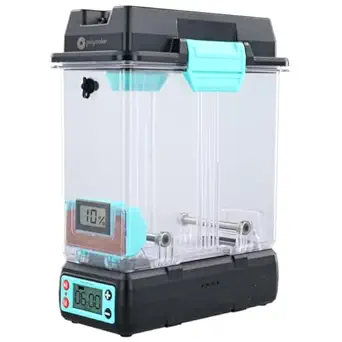
The SUNLU S4 represents a specific class of filament management: the high-capacity, actively heated drying and storage solution. Unlike single-spool dryers or passive storage boxes, this 4-spool unit with 350W PTC heating and auto humidity control is designed for users printing with multiple materials or colors who need to prevent moisture absorption during both storage and printing. Buyers should understand that this product merges drying and long-term storage functions into one device.
Key Considerations Before Buying
- The 4-spool capacity is ideal for multi-material workflows but requires assessing if your printer setup can practically utilize four different filaments in a session, or if you're primarily using it for batch drying and organized storage.
- The 350W PTC (Positive Temperature Coefficient) heating element is a key feature; it's generally safer and more energy-efficient than traditional ceramic heaters, offering faster heat-up times to the 70°C maximum, which is suitable for common PLAs and PETGs but may be insufficient for some high-temp drying needs.
- Auto humidity control via a built-in hygrometer and exhaust fan is critical for a 'set-and-forget' storage environment, but its effectiveness depends on the seal quality of the box and the ambient humidity of your printing space.
What Our Analysts Recommend
For a unit like the S4, inspect the sealing mechanism around the lid and spool rods—air gaps defeat the purpose of humidity control. Genuine user reviews often mention filament feedability; look for comments on whether filaments feed smoothly from the rear ports during active drying, a common pain point in integrated dryer/storage designs. The construction should feel rigid, not flimsy, to maintain a consistent internal environment.
3D Printing Filament Market Context
Market Overview
The filament dryer and storage market has rapidly evolved from simple food dehydrator mods to dedicated, feature-rich appliances. Products now segment clearly into compact single-spool dryers for active printing and larger, multi-spool storage-oriented boxes like the SUNLU S4, which aim to be a central filament hub. The integration of digital controls, PTC heating, and humidity sensors has become a competitive battleground.
Common Issues
Common failures include poor seals that leak dry air, weak or noisy fans that fail to circulate air properly, and inaccurate hygrometers that misreport internal conditions. For multi-spool designs, another frequent complaint is filament tangling or difficult feeding when drawing directly from the box, especially with full spools. Heat distribution unevenness across four chambers can also be a problem.
Quality Indicators
High-quality units feature precise digital temperature control (not just a dial), a reliable sealing gasket, and quiet, durable fans. The power and type of heating element (PTC being a premium indicator) directly impact drying speed and safety. Build materials matter: opaque, UV-resistant walls are better than clear plastic for long-term filament storage, preventing light degradation.
Review Authenticity Insights
Grade B Interpretation
A Grade B with a 15% estimated fake review rate suggests a generally trustworthy review profile with a moderate level of potentially inauthentic feedback. For a niche product like this, a 4.50 adjusted rating from verified purchases is strong, indicating that genuine users are largely satisfied. The 'B' grade means you should read with slightly more scrutiny than an 'A' product.
Trust Recommendation
Focus on the verified purchase reviews (all marked 'V') that discuss specific, long-term use cases, like drying Nylon filament or managing humidity in a garage workshop. Be slightly wary of overly effusive 5-star reviews that lack technical details about performance over weeks or months. The high adjusted rating of 4.50 is a solid foundation for trust.
Tips for Reading Reviews
Prioritize reviews that mention the actual performance metrics: how long it took to dry a 'popping' spool of PETG, what relative humidity percentage the display stabilizes at, or how well it maintains four different materials. Look for critical reviews that pinpoint failures—comments on seal integrity, fan noise, or control panel issues are more valuable than generic complaints about shipping.
Expert Perspective
The SUNLU S4's data paints a picture of a well-executed, high-capacity solution. The exceptional 4.89/5 raw rating, even when adjusted to a still-robust 4.50/5, signals it meets a clear need for organized, active filament management. Its 350W PTC heating and 4-spool design position it for users beyond the hobbyist tinkering with a single spool; it's for the serious maker or small prototyping operation needing workflow efficiency. The auto humidity control is the standout feature that differentiates it from simple heated boxes.
Purchase Considerations
Weigh your actual spool usage frequency. If you rarely switch between more than two filaments, a smaller, less expensive dryer might suffice. However, if you value organization, want to pre-dry several spools simultaneously, or print in a naturally humid climate, the S4's integrated approach justifies its footprint and cost. Consider your filament types: the 70°C max is perfect for PLA and PETG but check if you need higher temps for materials like ABS or Polycarbonate.
Comparing Alternatives
Shoppers should compare the S4's capacity and PTC heating against similar multi-spool dryers from brands like eSUN or Sovol, paying close attention to wattage, seal design, and the usability of the feed-through ports.