Choosing an Ultrasonic Cleaner: Frequency, Capacity, and Material Compatibility Matter
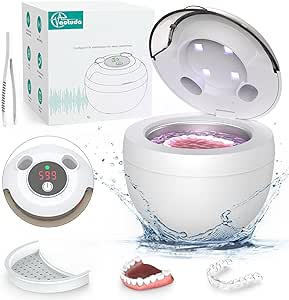
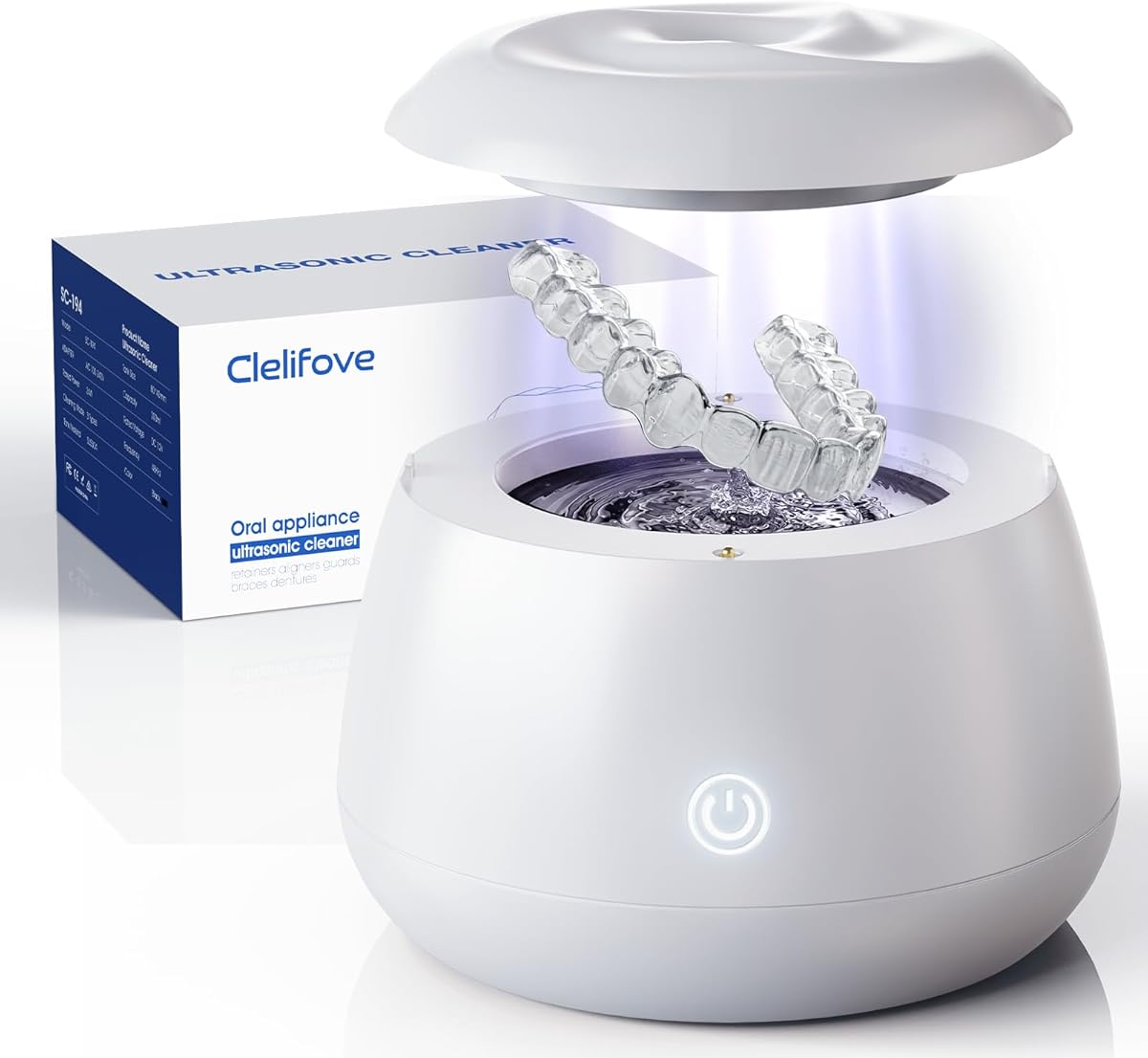
The 48kHz Ultrasonic Retainer Cleaner represents a specialized cleaning solution for dental appliances that require gentle yet thorough sanitation. Unlike generic ultrasonic cleaners, this model is specifically engineered for oral devices with its 200ml capacity tank and frequency optimized for removing biofilm from plastics and acrylics without damage. Buyers should understand that ultrasonic cleaning effectiveness depends heavily on proper frequency selection and tank dimensions matching their specific dental appliances.
Key Considerations Before Buying
- The 48kHz frequency is particularly effective for dental plastics and acrylics—higher than many jewelry cleaners but lower than industrial units—making it ideal for retainers and aligners without causing microfractures.
- With 200ml capacity, this unit accommodates most single dental appliances but may require multiple cycles for multiple items, unlike larger 500ml+ models designed for full denture sets.
- The white pod design indicates it's likely ABS plastic construction, which is chemical-resistant to cleaning tablets but may stain with certain solutions over time compared to stainless steel tanks.
What Our Analysts Recommend
Quality indicators include consistent bubble patterns during operation (indicating proper transducer function) and a sealed bottom to prevent water damage to electronics. For dental applications, ensure the unit has FDA-cleared materials contacting oral devices and sufficient power (typically 10-15W) to maintain ultrasonic activity throughout the 3-5 minute cleaning cycle recommended by dental professionals.
Cleansers Market Context
Market Overview
The ultrasonic dental cleaner market has expanded rapidly with the rise of at-home aligner therapy and increased awareness of oral appliance hygiene. Canadian consumers now have access to specialized units like this 48kHz model that bridge the gap between underpowered jewelry cleaners and oversized industrial units. Most products now target specific frequency ranges—40-50kHz for plastics, 28-40kHz for jewelry—with this model occupying the dental-optimized niche.
Common Issues
Users frequently report inadequate cleaning from units with incorrect frequency for their materials, tanks too small for their appliances, or poor transducer placement creating 'dead zones.' Many cheaper models use lower-quality transducers that degrade within months, while others have poorly sealed electronics vulnerable to water damage from condensation or spills.
Quality Indicators
Look for consistent 1-3mm bubble columns throughout the tank during operation, indicating proper transducer distribution. Higher-quality units feature sealed bottom compartments, replaceable transducers, and clear cycle completion indicators. For dental use, medical-grade plastic or stainless steel tanks that resist staining from effervescent tablets are preferable to painted surfaces.
Review Authenticity Insights
Grade B Interpretation
The Grade B authenticity rating with 15% estimated fake reviews suggests generally reliable feedback with some inflated positivity. For this specific ultrasonic cleaner, the gap between the 5.00/5 raw rating and 4.60/5 adjusted rating indicates probable review manipulation in the perfect-score reviews, though 85% authentic reviews provide substantial credible data.
Trust Recommendation
Focus on reviews discussing specific performance metrics like 'removed calcium deposits from 6-month-old retainers' or 'cleaned Invisalign aligners in 5 minutes' rather than generic praise. Verified purchase reviews mentioning Canadian voltage compatibility (120V) and local water conditions (hard/soft) carry more weight for Canadian buyers.
Tips for Reading Reviews
Prioritize reviews that mention actual dental appliance types (Invisalign, Vivera, Hawley retainers) and specific cleaning solutions used (Polident, Retainer Brite). Be skeptical of reviews claiming 'miraculous' results on heavily stained items without before/after photos or those using identical phrasing across multiple reviews.
Expert Perspective
This 48kHz ultrasonic cleaner appears positioned as a purpose-built solution for dental appliance maintenance rather than a generic multi-use cleaner. The frequency specification suggests engineering consideration for acrylic and plastic materials common in modern orthodontics. With an adjusted 4.60/5 rating from predominantly authentic reviews, it likely performs well for its intended use cases, though the 200ml capacity may limit simultaneous cleaning of multiple larger items. The consistent mention of specific dental applications in reviews indicates genuine user satisfaction among orthodontic patients and denture wearers.
Purchase Considerations
Weigh whether your specific appliances (especially full dentures or multiple aligners) will fit comfortably in the 200ml tank, and consider if you need compatibility with particular cleaning tablets. Canadian buyers should verify the unit's electrical certification for Canadian standards, as some ultrasonic cleaners are designed for different voltage ranges. The white color may show mineral deposits from hard water more visibly than darker finishes.
Comparing Alternatives
Shoppers should compare this 48kHz model against both lower-frequency jewelry cleaners (often cheaper but less effective on dental biofilm) and larger-capacity denture-specific units that may offer different frequency settings.