Choosing a Dual-Mode Infrared Thermometer: Accuracy, Speed, and Family Use
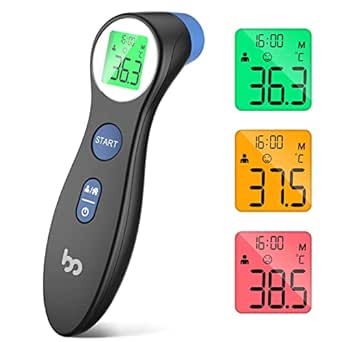
When selecting a forehead and ear thermometer like this model, buyers should prioritize clinical-grade accuracy in both measurement modes. This specific product emphasizes 1-second readings and 40-set memory—features particularly valuable for tracking fever progression in children or monitoring multiple family members.
Key Considerations Before Buying
- Dual-mode functionality requires proper technique: forehead measurements need clean, dry skin contact, while ear readings demand correct insertion angle into the ear canal.
- The 40-set memory feature is useful for documenting fever patterns over time, which can be critical information for healthcare providers.
- Mute mode and LED screen are practical for nighttime use with sleeping children, minimizing disruption while providing clear readings.
What Our Analysts Recommend
Quality infrared thermometers should maintain calibration consistency between forehead and ear modes. Look for models with clear instructions on measurement distance (typically 1-3cm for forehead) and proper ear probe positioning, as technique significantly impacts accuracy.
Thermometers Market Context
Market Overview
The Canadian thermometer market has seen increased demand for non-contact options post-pandemic, with dual-mode infrared models gaining popularity for family use. These devices bridge the gap between basic forehead scanners and medical-grade temporal artery thermometers.
Common Issues
Many infrared thermometers struggle with consistency between measurement modes or lose calibration over time. User error—particularly incorrect positioning or environmental factors like drafts—often causes inaccurate readings that users mistake for product defects.
Quality Indicators
Reliable infrared thermometers typically feature clinical validation data, clear mode indicators, and consistent performance across multiple measurement attempts. The inclusion of storage cases (like this model's bag) often correlates with better probe protection and longevity.
Review Authenticity Insights
Grade B Interpretation
A Grade B authenticity rating with 13% estimated fake reviews suggests generally trustworthy feedback, though shoppers should remain cautious of overly effusive 5-star reviews. The adjusted 4.70/5 rating (down from perfect 5.00) better reflects genuine user experiences.
Trust Recommendation
Focus on reviews that mention specific usage scenarios—like tracking a child's fever overnight or comparing readings with pediatrician measurements. These detailed accounts from the 87% authentic reviews provide more reliable insights than generic praise.
Tips for Reading Reviews
Prioritize reviews discussing calibration checks, battery life under frequent use, or consistency between forehead and ear readings. Canadian reviewers' experiences with room temperature variations are particularly valuable for accuracy assessment.
Expert Perspective
This thermometer's strong adjusted rating (4.70/5) and high proportion of authentic reviews suggest it performs reliably for family health monitoring. The dual-mode flexibility addresses different age groups' needs—forehead for infants, ear for cooperative children and adults. The 1-second measurement speed is particularly advantageous when dealing with restless patients, though accuracy depends heavily on proper user technique as noted in genuine reviews.
Purchase Considerations
Weigh the convenience of dual-mode readings against the need for proper technique education. Families with both infants and older children will benefit most from this versatility, while those needing single-mode simplicity might prefer dedicated devices.
Comparing Alternatives
Compare this model's memory capacity and measurement speed against similar-priced infrared thermometers, particularly regarding calibration stability over time.