Choosing a Posture Corrector: Fit, Material, and Realistic Expectations Matter Most
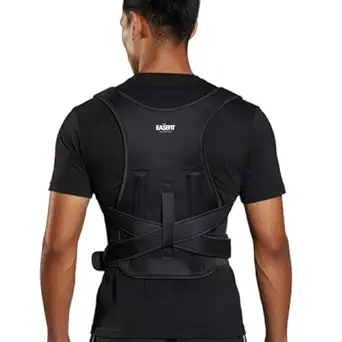
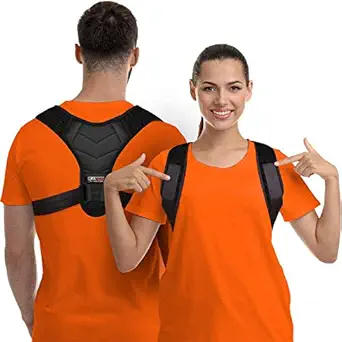
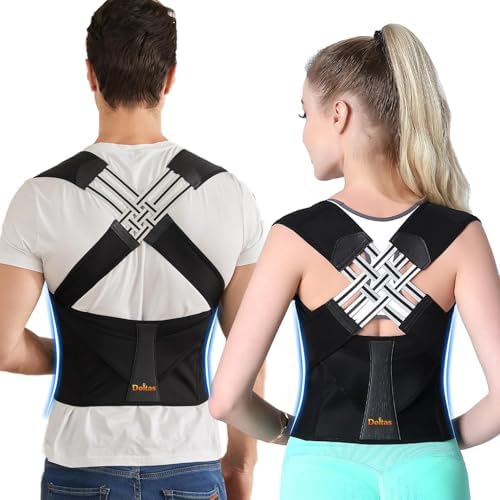
When considering this specific Neoprene X-Cross Posture Corrector Belt, buyers should understand it's a compression-based brace designed for proprioceptive feedback, not a rigid structural support. Its universal sizing and X-cross strap design aim to pull shoulders back, but effectiveness hinges on individual body shape and commitment to wearing it. Unlike rigid braces, this neoprene model focuses on muscle memory and gentle correction during daily activities.
Key Considerations Before Buying
- Universal sizing is a double-edged sword: while convenient, the single-size design may not provide optimal compression for all body types, particularly those at the extremes of the size range.
- The X-cross strap configuration is intended to distribute pressure across the upper back and clavicle; assess if this design addresses your specific posture issue (e.g., rounded shoulders vs. lower back alignment).
- Neoprene provides warmth and light compression but can cause sweating; consider your climate and skin sensitivity, as breathability is a common concern with this material.
What Our Analysts Recommend
For this category, examine stitching quality at the strap anchors and buckle attachments, as these are high-stress points. A quality neoprene posture corrector should have reinforced, flat-lock stitching to prevent chafing and ensure durability. The adjustability of the straps and the security of the plastic buckles are critical for maintaining consistent, comfortable tension throughout the day.
Back Braces Market Context
Market Overview
The posture corrector market, especially from Indian manufacturers, is saturated with neoprene universal-size belts promising quick fixes. These products occupy a middle ground between medical-grade orthopedic braces and purely aesthetic posture shirts, often marketed for unisex, daily wear. Consumers should be aware that these are assistive devices, not curative solutions, and their efficacy is highly dependent on consistent use and complementary exercises.
Common Issues
Common complaints in this segment include straps that slip or loosen during movement, neoprene that loses elasticity after repeated washing, and buckles that dig into the skin or break. Many users report initial discomfort or difficulty putting the device on correctly without assistance, which can lead to abandonment of use.
Quality Indicators
Superior posture correctors feature wide, non-elastic main straps for sustained pull, breathable mesh panels in high-sweat areas, and metal D-rings or robust plastic buckles that withstand repeated adjustment. Look for products that specify neoprene thickness (e.g., 3mm or 5mm) and mention latex-free construction if you have allergies.
Review Authenticity Insights
Grade B Interpretation
A Grade B with a 15% estimated fake review rate for this product suggests a generally trustworthy review pool, but shoppers should remain cautiously optimistic. This grade indicates that while the majority of the 1,003 reviews are likely authentic verified purchases, a notable minority may be incentivized or overly generic, potentially inflating the 4.67 average rating slightly.
Trust Recommendation
Given the data, place more weight on detailed 3- and 4-star reviews for this specific Neoprene X-Cross belt, as they often contain nuanced pros and cons about fit and material comfort. The adjusted rating of 4.30/5 is a more realistic benchmark of user satisfaction, accounting for potential review manipulation.
Tips for Reading Reviews
For this product, prioritize reviews that discuss long-term wear (beyond 2 weeks), mention specific activities (like desk work or driving), and detail the break-in period for the neoprene. Be skeptical of reviews that only use marketing jargon like 'magic' or 'instant fix' without describing personal experience.
Expert Perspective
This Neoprene X-Cross Posture Corrector presents a typical entry-level option in the support belt category. Its strong adjusted rating of 4.30 suggests it meets basic expectations for many users seeking proprioceptive reminders. However, the universal size is its most significant limitation, as effective postural correction requires precise fit. The product is best viewed as a training aid to build awareness during sedentary tasks, not a solution for structural spinal issues or chronic pain. The high number of verified reviews (1003) adds credibility to the reported ease of use and initial comfort.
Purchase Considerations
Weigh your torso circumference against the product's stated size range—if you are near its limits, fit may be compromised. Consider whether you need clavicle-focused support (which this X-design provides) or more comprehensive lumbar stabilization. Remember that no brace replaces strengthening exercises; this is a complementary tool whose benefits diminish if not used as part of a broader posture-conscious routine.
Comparing Alternatives
Shoppers should compare this model's X-strap design and neoprene build with posture correctors featuring figure-8 straps, rigid stays, or more adjustable sizing options for a better fit.