Navigating Mini Body Cameras: What 64GB Storage and Rotating Lenses Really Mean
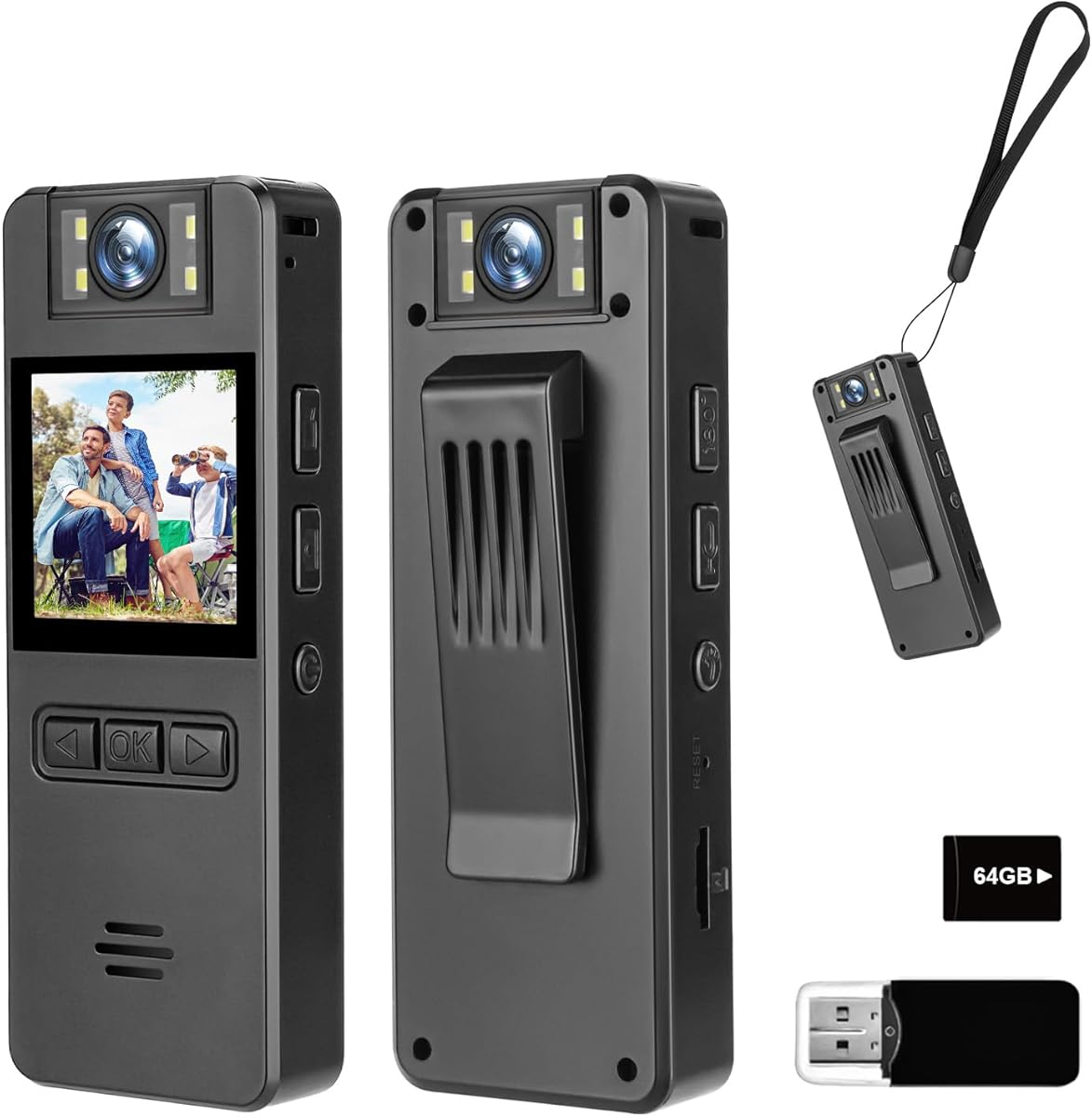
When evaluating this specific 64GB mini body cam with a 180° rotating lens and 120° wide-angle, buyers must understand that these specifications don't guarantee functional performance. The combination of civilian and law enforcement marketing suggests a product attempting to serve multiple use cases, which often compromises specialized functionality. Key considerations include whether the rotating mechanism maintains stability during movement and if the 64GB storage translates to reliable continuous recording.
Key Considerations Before Buying
- The 180° rotating lens on this compact camera must maintain electrical connection reliability through repeated adjustments—a common failure point in budget models.
- A 120° wide angle in a mini body cam often introduces significant barrel distortion at the edges, potentially compromising evidentiary quality for law enforcement applications.
- The 64GB internal storage raises questions about file management systems and whether the device properly handles loop recording or file corruption during unexpected power loss.
What Our Analysts Recommend
Quality indicators for rotating-lens body cameras include mechanical detents at common angles (90°, 135°) and weather-sealing around the rotation joint. For wide-angle performance, examine sample footage for focus consistency across the entire frame, not just center sharpness. Storage should support standard FAT32/exFAT formatting for easy file recovery.
Body Mounted Cameras Market Context
Market Overview
The personal body camera market has fragmented into distinct segments: evidence-grade law enforcement devices starting around $300, and consumer-grade cameras under $100 with varying reliability. Products like this one attempting to bridge both markets typically compromise on the durability and verification features required for professional use. Recent market shifts show increased demand for civilian recording devices, leading to rushed product development cycles.
Common Issues
Budget rotating-lens cameras frequently develop connection issues in the swivel mechanism, causing video dropouts. Wide-angle lenses on compact sensors often struggle in mixed lighting, creating overexposed centers with underexposed edges. Many devices claiming law enforcement suitability lack proper time-stamping and tamper-evident file systems required for evidence.
Quality Indicators
Look for cameras with certified impact resistance ratings (IP67 or higher) and explicit mention of WDR (Wide Dynamic Range) processing for challenging lighting. Quality manufacturers provide detailed specifications about the image sensor size (not just megapixels) and bitrate of video recording, which affects evidentiary clarity.
Review Authenticity Insights
Grade D Interpretation
A Grade D authenticity rating with 65% estimated fake reviews indicates severe manipulation of this product's perception. The 1.10/5 adjusted rating (down from 1.67/5) suggests authentic experiences are overwhelmingly negative. Duplicate reviews appearing with opposite star ratings reveal coordinated attempts to both boost and sabotage the product's appearance.
Trust Recommendation
Given the extreme review manipulation, disregard all 5-star reviews entirely and focus on detailed 1-2 star reviews discussing specific failures like lens rotation mechanisms seizing or files corrupting at 32GB of usage. Assume the product's actual performance aligns closer to the 1.10/5 adjusted rating than any published average.
Tips for Reading Reviews
Search for reviews mentioning the 180° rotation feature specifically—authentic users will describe precise mechanical issues. Look for consistency in complaints about the 120° wide angle creating fisheye distortion that makes license plates or faces unrecognizable at frame edges. Verified purchase reviews discussing file recovery from the 64GB storage carry more weight.
Expert Perspective
This product demonstrates classic red flags of a specification-driven device that underdelivers on functional reliability. The combination of a rotating lens mechanism with wide-angle optics on a compact body creates multiple potential failure points that budget manufacturers often overlook. The dramatic discrepancy between the surface rating (1.67/5) and adjusted rating (1.10/5) after fake review removal indicates genuine user experiences are even worse than initially apparent. The marketing to both civilians and law enforcement suggests unclear design priorities, likely resulting in a device inadequate for either use case's specific requirements.
Purchase Considerations
Weigh the rotating lens convenience against the high probability of mechanical failure within months of regular use. Consider whether the 64GB storage—while generous—matters if file corruption issues prevent reliable retrieval. For any professional or evidentiary purpose, this product's authenticity issues alone should disqualify it from consideration.
Comparing Alternatives
Shoppers should compare this device against specialized options: dedicated dash cams for vehicle use, action cameras with proper stabilization for active recording, or purpose-built evidence cameras with audit trails for professional applications.