
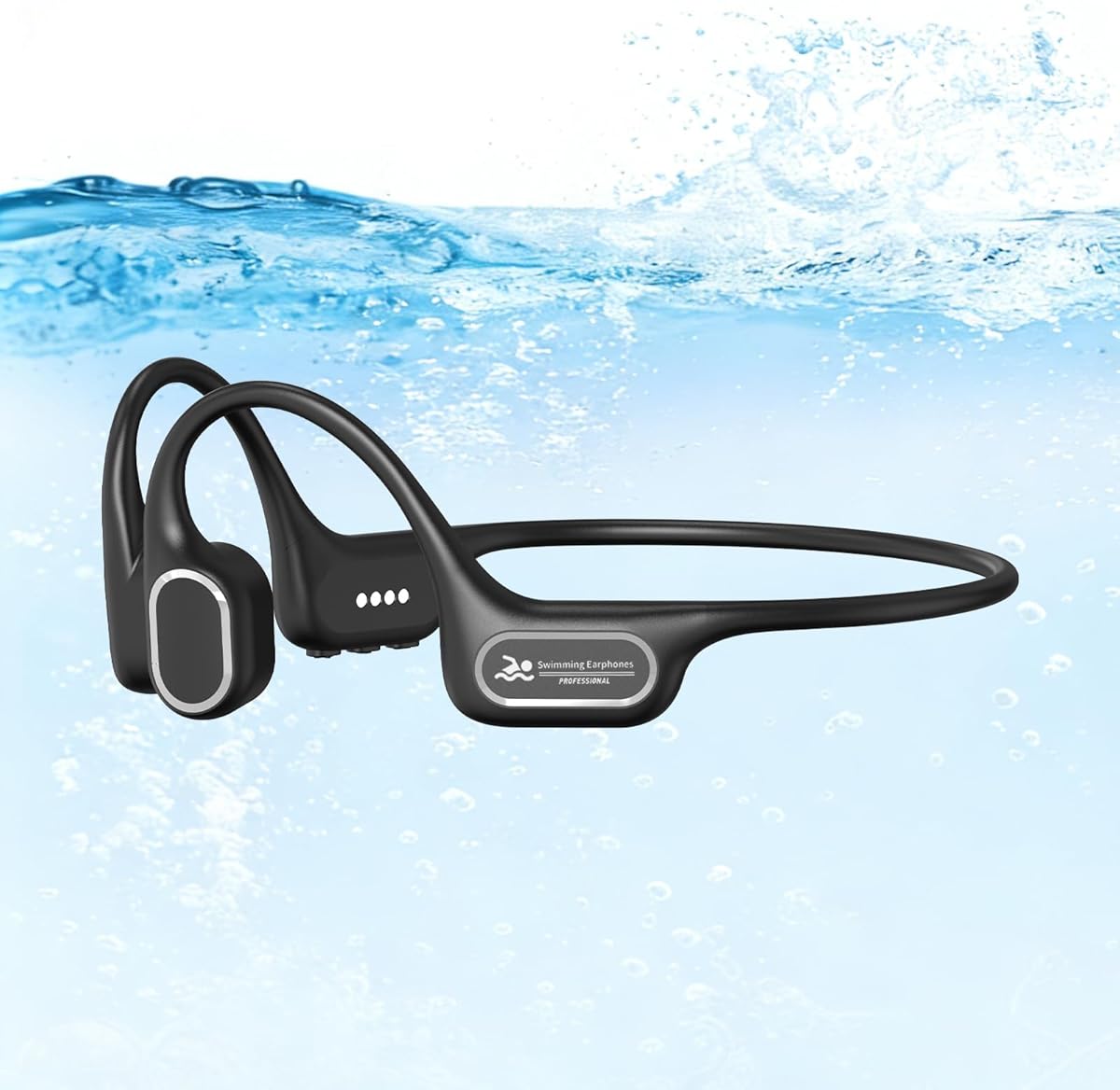
Choosing Bone Conduction Swim Headphones: Waterproofing, Fit, and Storage Essentials
When evaluating bone conduction headphones specifically designed for swimming like this IPX8-rated model, focus on how the open-ear design performs underwater. This particular product combines a 32GB MP3 player with liquid silicone construction, creating unique considerations beyond standard waterproof earbuds.
Key Considerations Before Buying
- IPX8 waterproof certification is essential for submersion, but verify the depth rating isn't specified—some swimmers need deeper capability than basic IPX8 provides.
- The 32GB built-in storage eliminates Bluetooth connectivity issues underwater, but requires file management through USB-C transfer rather than streaming convenience.
- Liquid silicone construction should provide secure fit during flip turns and dives, but individual ear anatomy affects stability more than with traditional earbuds.
What Our Analysts Recommend
Quality indicators include specific mention of secure fit during vigorous swimming strokes and clear audio transmission despite water interference. Genuine reviews will detail charging port sealing effectiveness and how the bone conduction technology performs when ears are submerged versus surface swimming.
Earbud Headphones Market Context
Market Overview
The swimming headphone market has shifted from waterproof cases for standard earbuds to dedicated bone conduction designs that maintain situational awareness. Products like this represent a niche segment combining MP3 storage with open-ear safety features for aquatic athletes.
Common Issues
Swimmers frequently report poor bone conduction audio clarity underwater, charging port corrosion after repeated chlorine exposure, and fit issues that require constant adjustment during laps. Many products claim IPX8 but fail during actual pool use with chemical exposure.
Quality Indicators
Look for specific mentions of chlorine resistance in materials, detailed descriptions of audio quality at different depths, and longevity reports beyond 3-6 months of regular pool use. Premium swim headphones typically specify exact depth ratings rather than just 'IPX8'.
Review Authenticity Insights
Grade B Interpretation
A Grade B authenticity rating with 15% estimated fake reviews suggests generally reliable feedback, but requires careful filtering. The adjusted 4.60/5 rating from genuine reviews indicates strong but not perfect performance.
Trust Recommendation
Focus on reviews mentioning specific swimming scenarios like lap counting, flip turn performance, or ocean versus pool use. Be skeptical of reviews that don't mention water exposure duration or that praise generic 'sound quality' without aquatic context.
Tips for Reading Reviews
Prioritize reviews discussing actual swim workouts, battery life during continuous use, and how the silicone holds up to sunscreen or chlorine. Technical reviews about file transfer to the 32GB storage indicate genuine usage versus promotional content.
Expert Perspective
This product's combination of bone conduction technology with integrated MP3 storage addresses the fundamental Bluetooth limitation underwater, a smart design choice for serious swimmers. The 4.60 adjusted rating from authentic reviews suggests it performs well for its niche, though the unspecified IPX8 depth rating warrants caution for deep-water users. The liquid silicone approach likely improves comfort over rigid bone conduction frames common in earlier swimming models.
Purchase Considerations
Consider whether you prefer the convenience of built-in storage versus Bluetooth connectivity for poolside use. Evaluate your swim intensity—high-impact strokes may challenge the open-ear design's stability more than leisurely laps. The lack of streaming capability means committing to pre-loaded content management.
Comparing Alternatives
Compare with Finis Duo or Shokz OpenSwim models that offer different approaches to underwater audio, particularly regarding battery life and depth specifications.


