
Choosing a Cervical Pillow: How Contour Design and Firmness Impact Pain Relief
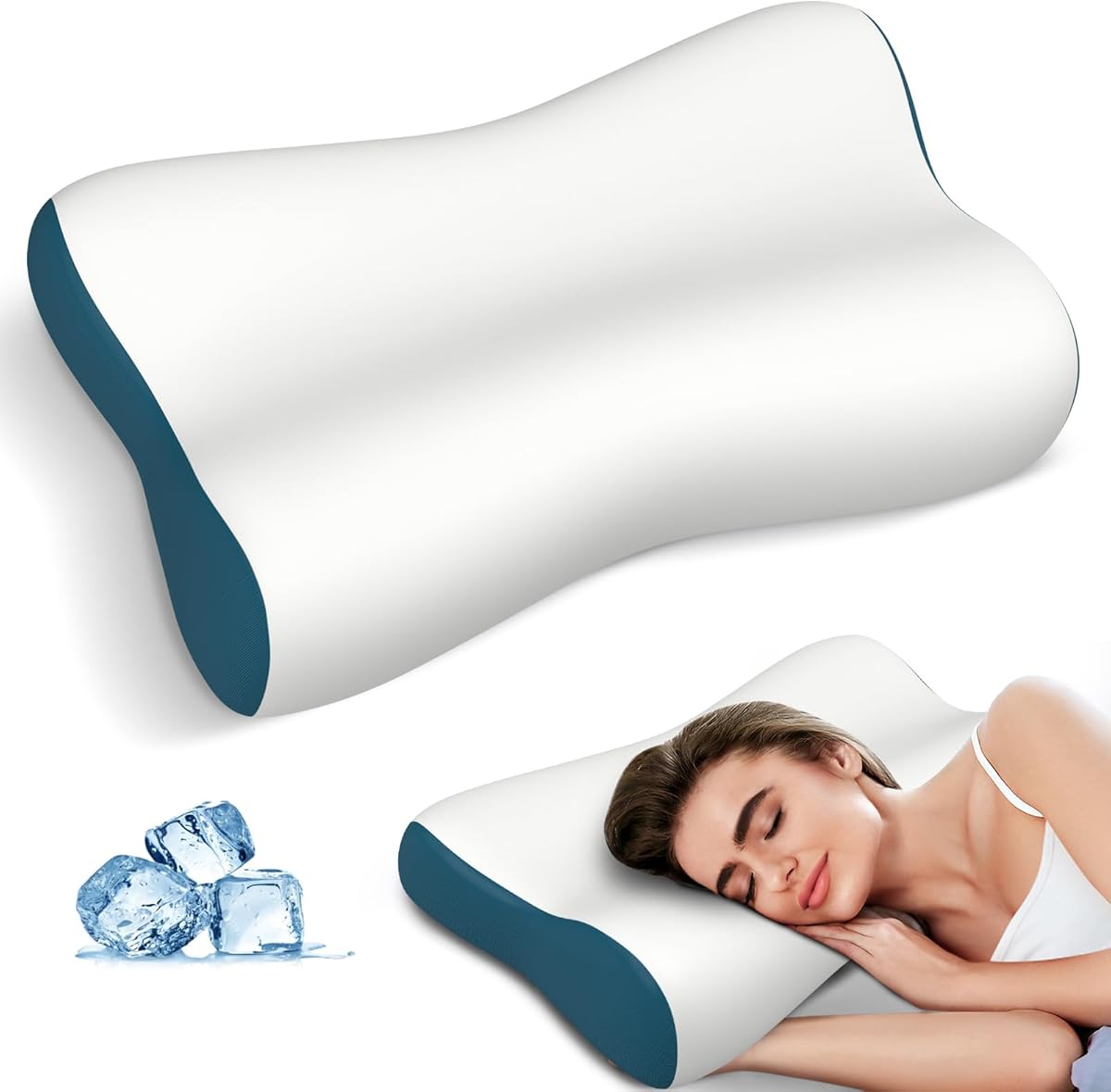
This specific pillow combines a contoured memory foam design with cooling technology and claims to support all sleeping positions. Buyers should understand that cervical pillows require precise alignment of the neck's natural curve, and this product's dual-wave contour attempts to address multiple sleeping postures simultaneously.
Key Considerations Before Buying
- The dual-wave contour design is engineered to cradle the neck whether you sleep on your back or side, but stomach sleepers often find the pronounced center ridge uncomfortable.
- Memory foam density directly affects support longevity; this pillow's medium-firm formulation aims to balance pressure relief with structural integrity over time.
- The integrated cooling gel layer addresses a common complaint with traditional memory foam pillows, which can retain body heat and disrupt sleep comfort.
What Our Analysts Recommend
Examine the depth of the contour curves relative to your shoulder width—proper cervical alignment requires the neck to rest level with the spine. Quality indicators include a removable, breathable cover for hygiene and CertiPUR-US certification for foam safety and durability.
Neck & Cervical Pillows Market Context
Market Overview
The cervical pillow market is saturated with products claiming orthopedic benefits, but genuine therapeutic designs feature medically-informed contours rather than generic shapes. Recent innovations focus on hybrid materials that combine support with temperature regulation.
Common Issues
Many cervical pillows fail because their one-size-fits-all contours don't accommodate varying body dimensions, leading to improper spinal alignment. Another frequent complaint is foam that loses resilience within months, collapsing under the head's weight.
Quality Indicators
Superior cervical pillows specify foam density (typically 3.5-5.0 lb/ft³), feature adjustable height options, and provide detailed sizing guidance based on sleeping position and body type rather than vague universal claims.
Review Authenticity Insights
Grade B Interpretation
A Grade B with 15% estimated fake reviews indicates generally reliable feedback, though some positive reviews may be artificially boosted. The 4.50 adjusted rating (down from 4.89) suggests genuine satisfaction sits in the 'very good' rather than 'near-perfect' range.
Trust Recommendation
Focus on verified purchase reviews that describe specific pain conditions (like cervical radiculopathy or whiplash recovery) and mention using the pillow for several weeks—these provide more credible evidence of therapeutic benefit than generic comfort statements.
Tips for Reading Reviews
Prioritize reviews that discuss the pillow's performance for their specific sleeping position and include measurements of the contour dimensions. Be skeptical of reviews that don't mention the adjustment period required for cervical pillows, which typically takes 1-3 weeks.
Expert Perspective
This pillow's combination of contour design, cooling technology, and memory foam represents a thoughtful approach to cervical support, though its attempt to accommodate all sleeping positions may compromise effectiveness for strict stomach sleepers. The strong adjusted rating of 4.50/5 from verified purchasers suggests genuine satisfaction among users who match its design parameters. The high percentage of verified purchases (100%) significantly boosts review credibility compared to unverified testimonials common in this category.
Purchase Considerations
Consider your dominant sleeping position—side sleepers need deeper contours than back sleepers, and this pillow's dual-wave design attempts to serve both. Also evaluate your heat sensitivity, as the cooling gel layer adds value primarily for those who experience night sweats or memory foam overheating.
Comparing Alternatives
Compare this pillow's 5.5-inch center height against competitors offering multiple height options or adjustable inserts for personalized cervical alignment.


