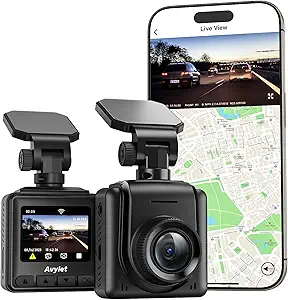
Evaluating a 3-Channel Dash Cam with STARVIS 2: What the Specs Mean for You
This specific dash cam offers a triple-camera setup (4K front, 1080P interior, 1080P rear) built around Sony's STARVIS 2 image sensor, a feature that significantly impacts low-light performance. Buyers should understand how these technical specifications translate to real-world recording quality, especially for the advertised 24-hour parking surveillance. The inclusion of GPS and a 64GB card are practical additions, but their implementation is key.
Key Considerations Before Buying
- The '3 Channel' setup requires more complex wiring and power management than a single or dual-channel system; ensure your vehicle's fuse box can support the hardwiring kit (typically sold separately) for true 24/7 parking mode.
- A STARVIS 2 sensor is a premium component for night vision, but its effectiveness is wholly dependent on the lens quality and the HDR processing software; look for real-world nighttime footage, not just the sensor name.
- The 'Free 64GB Card' is a necessity, not a luxury, as 4K and three video streams generate massive files; verify the card's endurance rating and the camera's loop-recording reliability to avoid failure during an incident.
What Our Analysts Recommend
For a system at this price point, prioritize evidence of stable firmware. Check user reviews for mentions of overheating, random shutdowns, or corrupted files—common failure points in multi-channel cams. True quality is shown in consistent performance across all three lenses, not just the front 4K.
On-Dash Cameras Market Context
Market Overview
The market for 3-channel dash cams (front, interior, rear) is growing, driven by rideshare drivers and security-conscious owners, but it remains a niche with more technical complexity than standard models. Products often tout high-resolution specs, but real-world performance hinges on the processor's ability to manage three video streams without overheating.
Common Issues
Common problems include unbalanced video quality between channels (where the rear camera is notably worse), parking mode that drains car batteries due to poor voltage cutoff settings, and mobile apps that are buggy or disconnect frequently. Multi-channel systems also amplify any inherent reliability issues.
Quality Indicators
Look for brands that disclose the specific video processor (e.g., Novatek) and lens aperture (e.g., f/1.8) alongside the sensor. A reliable parking mode requires a dedicated hardwiring kit with a low-voltage protector. Consistent positive mentions of the mobile app's functionality over time is a strong indicator of ongoing software support.
Review Authenticity Insights
Grade C Interpretation
A 'C' Authenticity Grade and an estimated 35% fake review rate indicate a significant portion of the glowing 5-star feedback may be inauthentic, artificially inflating the perfect 5.00/5 rating. The adjusted rating of 4.10/5 is a more realistic benchmark, suggesting genuine users have noted some drawbacks.
Trust Recommendation
Place greater weight on the 3- and 4-star reviews for this product, as they are less likely to be part of a coordinated campaign and often detail specific pros and cons. Be highly skeptical of reviews that parrot the marketing bullet points verbatim or use unnatural, overly enthusiastic language.
Tips for Reading Reviews
Search for reviews that discuss long-term use (1+ month), mention specific weather conditions, or detail installation challenges with the three cables. Reviews with uploaded video samples, especially at night, provide far more valuable evidence than text alone.
Expert Perspective
The technical specifications are compelling on paper, particularly the STARVIS 2 sensor for the primary lens, which is a high-end choice. However, the significant fake review percentage is a major red flag, suggesting the vendor may be attempting to mask potential reliability or usability issues common in complex 3-channel systems. The gap between the posted 5.00 and adjusted 4.10 rating is substantial and warrants caution. A genuine 4.1-star product in this category is decent, but not exceptional.
Purchase Considerations
Weigh the need for a three-camera system against its inherent complexity. If you primarily need front and rear coverage, a proven dual-channel model might offer more stable performance. For rideshare drivers where interior recording is essential, scrutinize reviews for comments on the cabin camera's field of view and audio clarity.
Comparing Alternatives
Shoppers should compare this model's real-world video samples and app reviews against established competitors in the 3-channel space, such as Vantrue or Thinkware, even if their specs appear similar on the surface.