Choosing Dirt Bike Goggles: Balancing Fog Resistance, Lens Clarity, and Helmet Compatibility
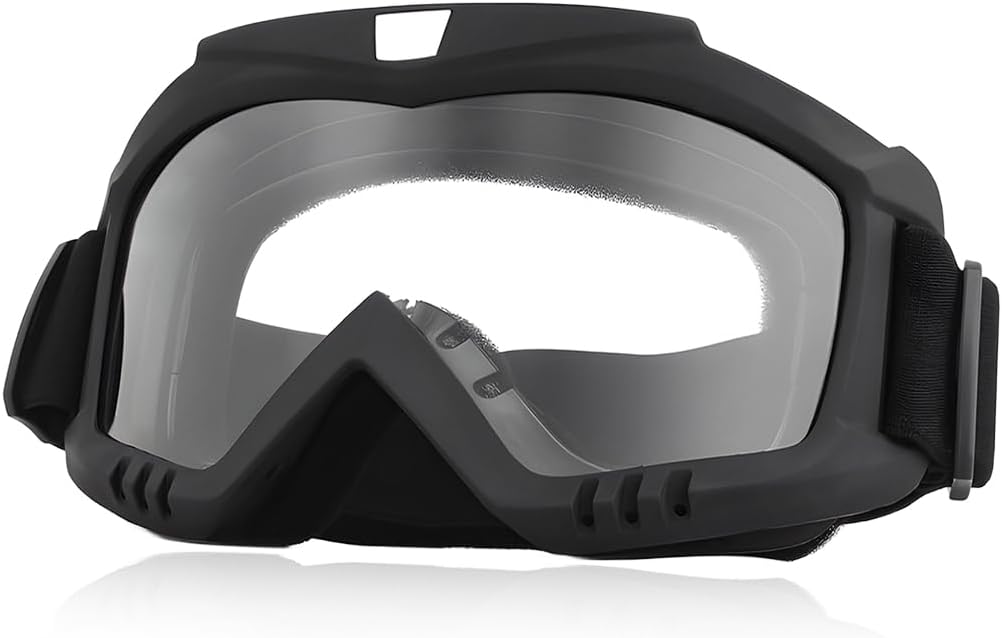
When selecting these specific transparent-lens dirt bike goggles, focus on how the fog-resistant coating performs in humid conditions versus traditional anti-fog inserts. The wide-vision design promises peripheral visibility, but true performance depends on lens curvature and optical distortion. These goggles position themselves as multi-sport protection, which requires evaluating their sealing effectiveness across different riding environments.
Key Considerations Before Buying
- The integrated fog lens technology should be scrutinized—some integrated coatings degrade faster than removable dual-pane systems common in premium goggles.
- Transparent lenses offer consistent visibility in changing light but lack the contrast enhancement of tinted options; consider your typical riding conditions.
- The helmet compatibility claim requires verification—these goggles' frame flexibility and strap design must accommodate various helmet brow shapes without pressure points.
What Our Analysts Recommend
Examine the foam density and facial contour—multi-layer foam with moisture-wicking properties indicates better dust sealing. Quality transparent lenses maintain optical clarity without the yellowish tint common in cheaper polycarbonate. The strap adjustment system should offer positive locking without slippage during vibration.
Goggles Market Context
Market Overview
The budget dirt bike goggle market is saturated with products claiming multi-sport functionality, often compromising on sport-specific features. Transparent lens options have gained popularity for trail riders who encounter variable light conditions, but optical quality varies significantly between brands. Genuine UV400 protection requires specific lens manufacturing processes not always present in budget offerings.
Common Issues
Integrated fog treatments often fail within months, while poor frame flexibility causes helmet gap issues. Many budget goggles use single-layer face foam that compresses permanently, breaking the dust seal. Strap buckles frequently lack the durability for repeated adjustments and high-vibration environments.
Quality Indicators
Look for triple-layer face foam with different densities, laser-etched rather than sticker-applied anti-fog labeling, and strap buckles with metal reinforcement points. Quality transparent lenses should be optically neutral without wave distortion when viewed at angles.
Review Authenticity Insights
Grade B Interpretation
A Grade B authenticity rating with 10% estimated fake reviews indicates generally reliable feedback, though approximately 1-2 reviews among the 15 may be questionable. This suggests the 4.0 average rating moderately reflects actual user experience, though the adjusted 3.8 rating accounts for potential manipulation.
Trust Recommendation
Prioritize reviews discussing specific riding scenarios like muddy trails or dusty tracks, as these demonstrate genuine use. Be cautious of reviews focusing solely on packaging or unboxing without performance details. The consistency between the Amazon rating and adjusted rating suggests the overall score is reasonably trustworthy.
Tips for Reading Reviews
Look for mentions of long-term fog resistance degradation—authentic users typically note this around the 2-3 month mark. Genuine reviews often compare strap length to specific helmet brands. Pay attention to comments about lens scratch resistance, as this reveals actual off-road use rather than casual testing.
Expert Perspective
These goggles represent a budget-conscious entry into protective eyewear with legitimate multi-sport aspirations. The transparent lens choice suggests targeting riders in wooded or variable-light environments rather than pure motocross. The 3.8 adjusted rating indicates satisfactory performance for the price point, though likely with compromises in long-term fog resistance and premium materials. The wide-vision claim requires field verification—some designs achieve this through distortion-prone curvature rather than true expanded field of view.
Purchase Considerations
Consider these if you need occasional-use goggles for multiple activities or as backups to primary gear. Riders in consistently dusty conditions should verify the foam's sealing capability through detailed reviews. The value proposition hinges on whether the integrated fog treatment lasts through your typical riding season or requires frequent replacement.
Comparing Alternatives
Compare the strap attachment system and lens thickness with similarly priced competitors—these construction details often reveal durability differences not apparent in specifications.