Choosing a WiFi-Only Tablet: Balancing Display, Performance, and Battery Life
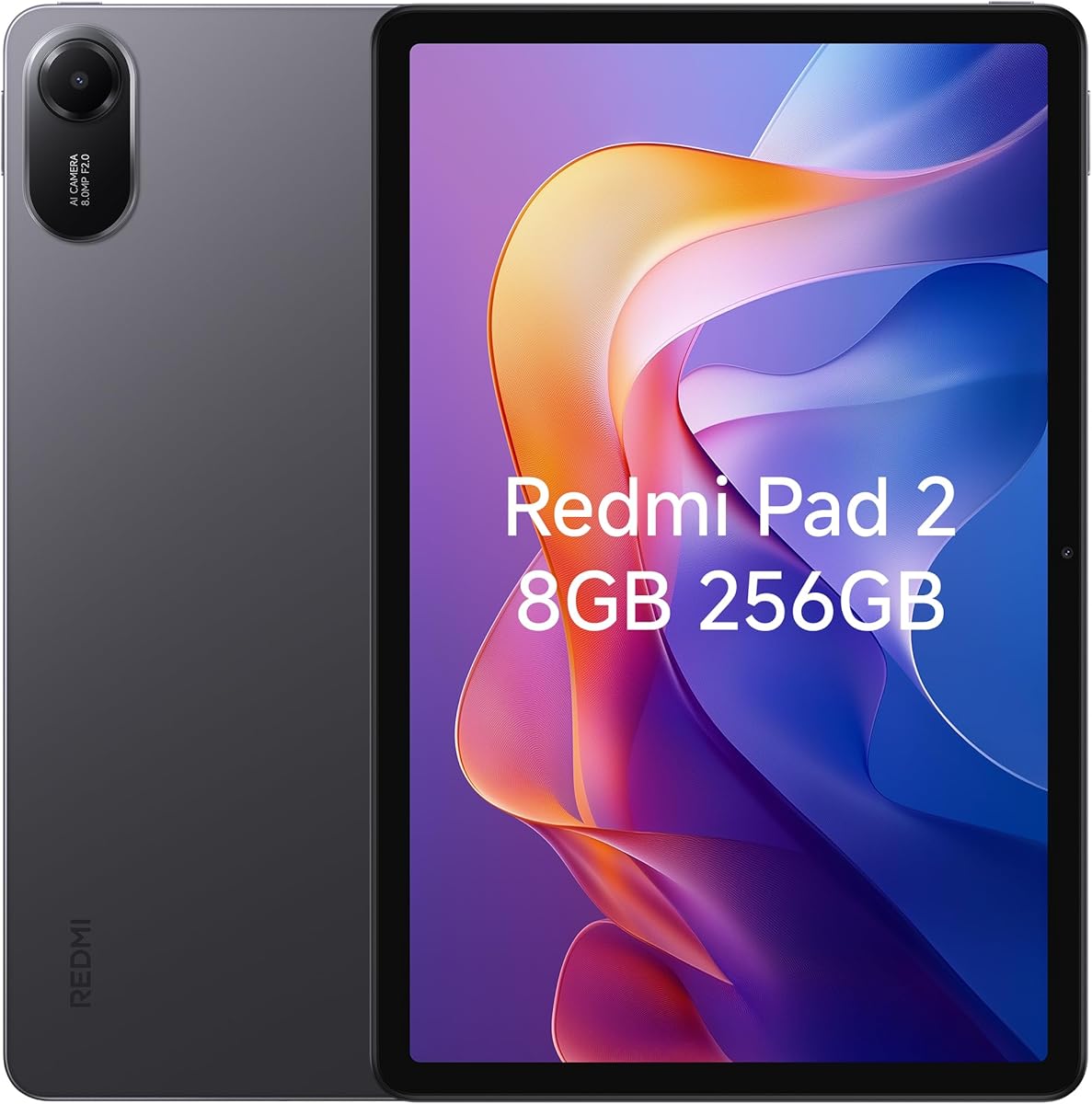
When evaluating the Xiaomi Redmi Pad 2, focus on its core proposition as a media-centric WiFi tablet. Its 11-inch 2.5K screen and quad-speaker setup are designed for streaming, while the 9000mAh battery promises extended use away from an outlet. This configuration prioritizes in-hand entertainment over cellular connectivity or professional-grade productivity.
Key Considerations Before Buying
- The 'Global ROM' is crucial for US buyers, ensuring the Android interface and app store function correctly without region-locked software issues common in imported devices.
- With 8GB RAM and 256GB storage, this spec is aimed at users who multitask between apps and store media locally, rather than relying solely on cloud services.
- The 'No Calls or Text' designation means this is purely a data consumption and creation device; it cannot function as a phone replacement, even with a SIM card.
What Our Analysts Recommend
For a tablet in this class, scrutinize reviews mentioning real-world battery life with screen brightness at 50% or higher. Genuine feedback will detail performance with specific apps like Netflix, YouTube, or light gaming, not just generic praise. The quality of the 2.5K IPS display should be described in terms of color vibrancy and outdoor visibility.
Tablets Market Context
Market Overview
The mid-range Android tablet market is fiercely competitive, with brands like Samsung and Lenovo offering similar specs. Xiaomi's strategy is to undercut on price while offering premium features like high-resolution displays and large batteries, often by using capable but less expensive MediaTek processors.
Common Issues
Common pitfalls include sluggish performance over time due to software bloat, poor speaker quality despite multiple drivers, and displays that have high resolution but mediocre brightness or color accuracy. Software support and update frequency are also frequent concerns with non-US brands.
Quality Indicators
Look for consistent mention of smooth performance in the UI and common apps, which validates the octa-core processor's efficiency. Positive notes on the haptic feedback of the touchscreen and the build quality of the Graphite Gray chassis are good hardware indicators. Long-term reviews mentioning few slowdowns after months of use signal robust software optimization.
Review Authenticity Insights
Grade B Interpretation
A 'Grade B' with a 10% estimated fake review rate suggests a generally trustworthy review pool. The high 'Verified Purchase' rate is a strong positive. The adjusted rating of 4.50/5 is a more conservative and reliable metric than the raw 4.78/5 average.
Trust Recommendation
Prioritize reviews that discuss the Global ROM functionality and Bluetooth 5.3 performance with specific peripherals, as these are less likely to be fabricated. Be slightly more skeptical of reviews that only praise generic attributes like 'fast' or 'good screen' without unique details.
Tips for Reading Reviews
Seek out reviews that mention using the tablet for specific, demanding tasks like multi-window mode or drawing with a stylus (if supported). Reviews discussing the charging time for the 9000mAh battery or the actual WiFi range provide concrete, actionable data points.
Expert Perspective
The Redmi Pad 2 presents a compelling value proposition for a media consumption device. The high authentic rating (4.50/5) from a largely verified user base indicates it delivers on core promises for most buyers. The 256GB + 8GB configuration is notably generous for the price point, targeting users who want headroom. However, its success hinges on Xiaomi's software implementation and long-term update support, which are typical question marks for the brand in the US market.
Purchase Considerations
Weigh the excellent spec-for-price ratio against potential compromises in after-sales support and accessory ecosystem compared to mainstream brands. Consider if your usage aligns with its strengths: streaming, reading, and casual gaming, rather than heavy photo editing or as a primary computing device.
Comparing Alternatives
Shoppers should directly compare this with the Samsung Galaxy Tab A9+ or Lenovo Tab P11 for similar screen sizes and prices to assess software and build quality differences.