
Choosing a Beginner Drone: Balancing Camera Quality, Flight Stability, and Battery Life
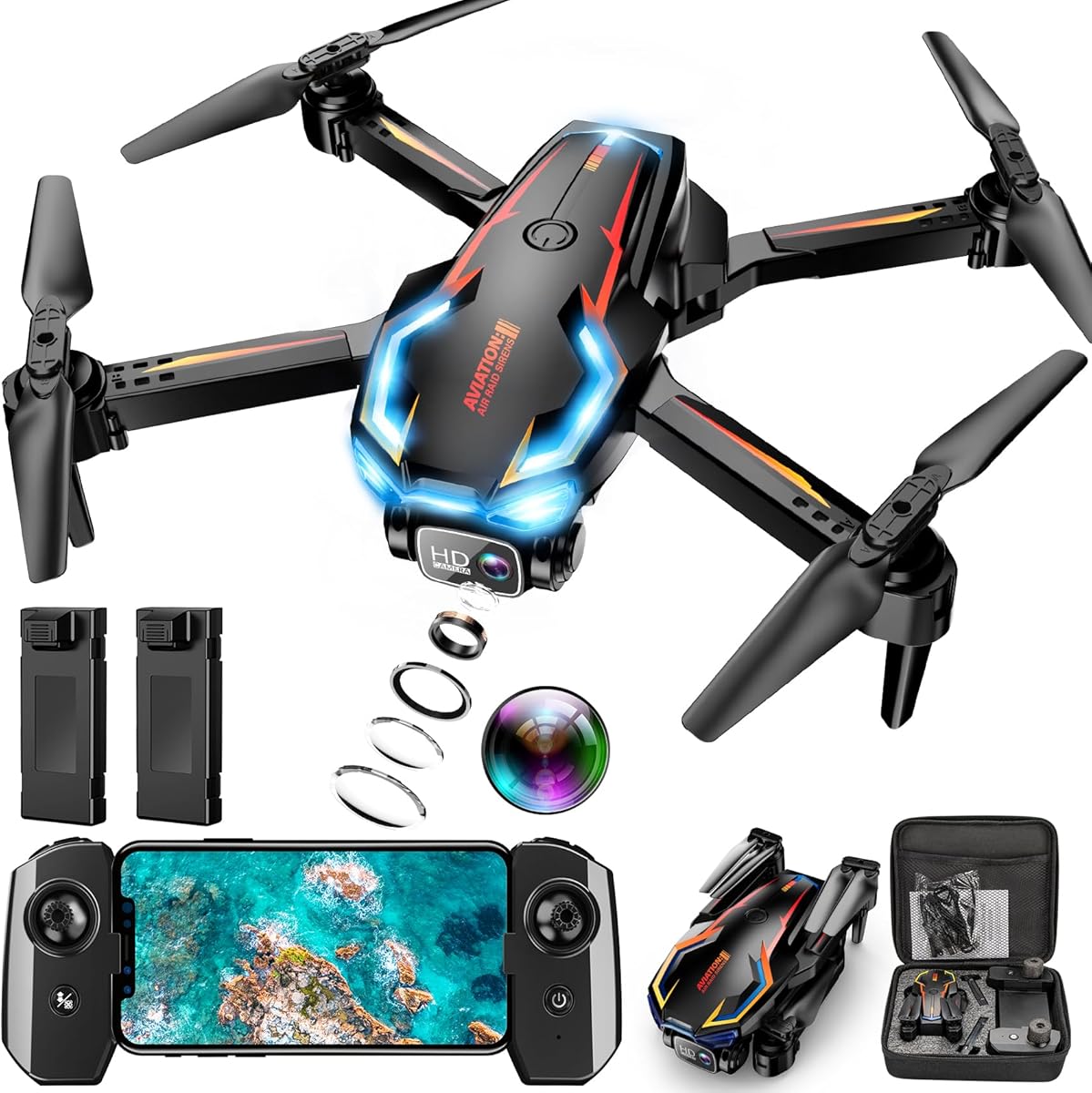
For adults and teens entering the drone hobby, this specific 2K HD FPV model represents a common entry point. Key features like altitude hold and one-key takeoff/landing are designed to mitigate the steep learning curve, while the inclusion of two batteries directly addresses the primary limitation of budget drones: short flight times.
Key Considerations Before Buying
- Evaluate the real-world utility of the 2K camera; resolution is one factor, but image stabilization (often absent in this price tier) is critical for usable footage.
- The 'Upgrade Altitude Hold' feature is essential for beginners, as it allows the drone to maintain height automatically, letting you focus on directional control and camera operation.
- Headless Mode simplifies orientation by making the drone move relative to the pilot's position, not its own nose direction—a valuable but sometimes crutch-like feature for new pilots.
What Our Analysts Recommend
Beyond specs, scrutinize reviews for mentions of wind resistance and the effective range of the FPV (First Person View) transmission. A drone with good altitude hold that falters in a light breeze reveals a critical design flaw. Consistent praise for the controller's responsiveness is a stronger quality indicator than listed features alone.
Unmanned Aerial Vehicles (UAVs) Market Context
Market Overview
The sub-$200 UAV market is saturated with drones boasting similar feature sets—2K cameras, altitude hold, and beginner modes. Differentiation often comes down to build quality, reliable connectivity, and the quality of the companion app for the FPV feed.
Common Issues
Common pain points include short actual flight times (often less than the advertised 10-12 minutes per battery), fragile propeller guards, and FPV video feeds that lag or disconnect well before the maximum control range is reached.
Quality Indicators
Look for mentions of consistent performance across both included batteries, durability after minor crashes, and clear documentation. Products that bundle a dedicated carry case or offer spare propellers signal a manufacturer more attuned to real-world use.
Review Authenticity Insights
Grade B Interpretation
A 'B' grade with a 15% estimated fake review rate suggests a generally trustworthy review pool, but advises healthy skepticism. The adjusted rating of 4.60/5, down from a perfect 5.00, indicates that while genuine reviews are positive, they are not universally flawless.
Trust Recommendation
Prioritize verified purchase reviews that detail specific use cases, like flying in a park or learning curves, over vague praise. Be particularly wary of reviews that only echo marketing terms like 'great gift' without describing flight experience.
Tips for Reading Reviews
For this product, focus on reviews that discuss battery swap practicality, the clarity of the 2K FPV feed on a smartphone screen, and how well the altitude hold performs in practice. These functional details are harder to fake and more valuable than star ratings.
Expert Perspective
This drone's profile—strong adjusted rating, verified reviews, and feature set—positions it as a competent contender in the beginner tier. The high number of reviews (1,756) provides a substantial data pool, and the consistency noted in the analysis summary suggests the core performance promises (easy takeoff/landing, stable hover) are likely being met for most users. The 'Upgrade Altitude Hold' is the keystone feature that makes its beginner-friendly claims plausible.
Purchase Considerations
Weigh the value of the two batteries and beginner modes against the likely limitations in camera stabilization and wind tolerance. This is an ideal purchase for learning flight fundamentals and capturing casual aerial photos in calm conditions, not for cinematic videography or windy-day flying.
Comparing Alternatives
Shoppers should compare flight time claims, controller design, and app reviews with similar models from brands like Holy Stone or Potensic in the same price bracket.


