Choosing a PC VR Link Cable: Data Speed, Charging, and Connector Design
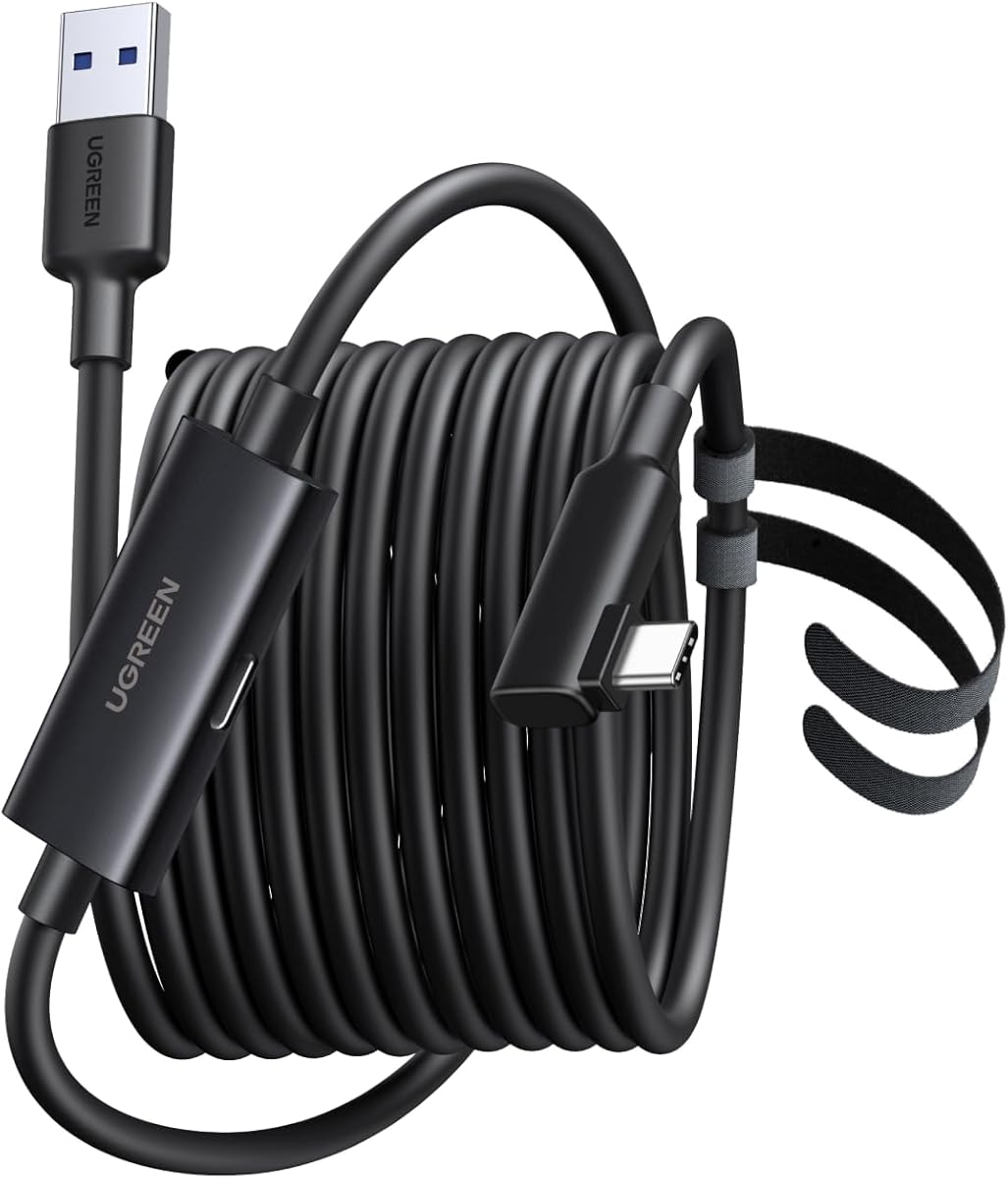
For Quest and Pico headset owners connecting to a PC, a dedicated link cable is essential for high-quality VR gaming. The UGREEN VR Link Cable distinguishes itself with a built-in signal amplifier and 90° L-shaped plug, features that directly address common tethering issues. Buyers should evaluate these cables on three core performance metrics: sustained data throughput, simultaneous charging capability, and physical durability.
Key Considerations Before Buying
- Data transfer stability is critical; the advertised USB 3.2 Gen1 5Gbps spec must be maintained over the full cable length without dropouts, which is where the built-in signal amplifier in this UGREEN model claims to help.
- Check the power delivery rating—this cable's 18W fast charging must be sufficient to slow your headset's battery drain during intense PCVR sessions, as insufficient power can cut gameplay short.
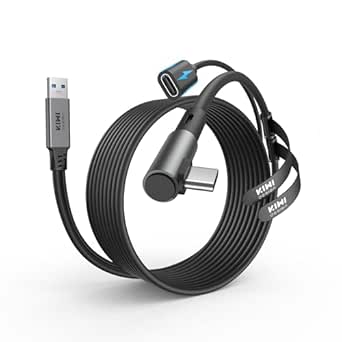
- The connector design, specifically this model's 90° L-shaped USB-C plug, should align with your headset's port orientation to reduce strain and prevent accidental dislodging during active use.
What Our Analysts Recommend
Beyond basic specs, scrutinise reviews for mentions of consistent 'green' connection status in the Oculus/Meta PC app, which indicates a stable high-speed link. For quality, a robust yet flexible jacket and reinforced stress relief at the connectors, especially at the unique L-shaped end, are non-negotiable for a product that will experience constant movement.
Accessories Market Context
Market Overview
The PC VR link cable market is saturated with options ranging from official, premium-priced cables to third-party alternatives like this UGREEN model, which compete on value-added features. Following the Quest 3's launch, demand has shifted toward cables that support its higher potential bandwidth and sustained power needs.
Common Issues
Users frequently report cables that fail to maintain a stable 5Gbps connection, resulting in compression artifacts, or that provide inadequate power, causing the headset battery to deplete even while plugged in. Physical failure points are common at the connectors, where repeated bending occurs.
Quality Indicators
Look for explicit mention of a signal amplifier chip (like this UGREEN cable has) to ensure signal integrity over 3m+ lengths. Quality cables also use high-grade copper for power delivery and specify the exact charging protocol supported (e.g., QC3.0, PD).
Review Authenticity Insights
Grade B Interpretation
A 'Grade B' authenticity rating with an estimated 15% fake review rate suggests the review corpus is reasonably reliable but requires careful reading. For this UGREEN cable, it means most feedback is genuine, though a small portion of ratings may be inflated or manipulated.
Trust Recommendation
Focus on the 3- and 4-star reviews for this product, as they are less likely to be targeted by manipulation and often contain the most balanced, detailed accounts of performance pros and cons. Pay particular attention to verified purchase reviews that discuss long-term use over weeks or months.
Tips for Reading Reviews
For technical accessories like this, prioritise reviews that mention specific testing scenarios, such as playing 'Half-Life: Alyx' or 'Microsoft Flight Simulator 2020', as these demand stable high bandwidth and will reveal any cable shortcomings.
Expert Perspective
The UGREEN VR Link Cable presents a feature-set aimed at solving specific pain points: the amplifier for data integrity and the L-shaped plug for ergonomics. Its adjusted rating of 3.4/5, derived from authentic reviews, indicates a product with notable strengths but also consistent drawbacks noted by real users. The 18W charging is a mid-tier specification; while helpful, it may not fully offset battery drain on a Quest 3 at high brightness and refresh rates. The compatibility list is a strong point, covering multiple headset generations.
Purchase Considerations
Weigh the convenience of the 90° plug and potential signal stability against the fact that the overall rating suggests some users experience performance inconsistencies. If your primary PC USB-A port does not support the full 5Gbps and 18W output, this cable's advanced features will be undermined, so verify your host port's capabilities first.
Comparing Alternatives
Shoppers should compare this model's length, warranty, and price against other amplified cables and the official Meta Link Cable, which sets the benchmark for performance but not necessarily value.