Carbon fiber insoles for court sports require specific fit and performance characteristics
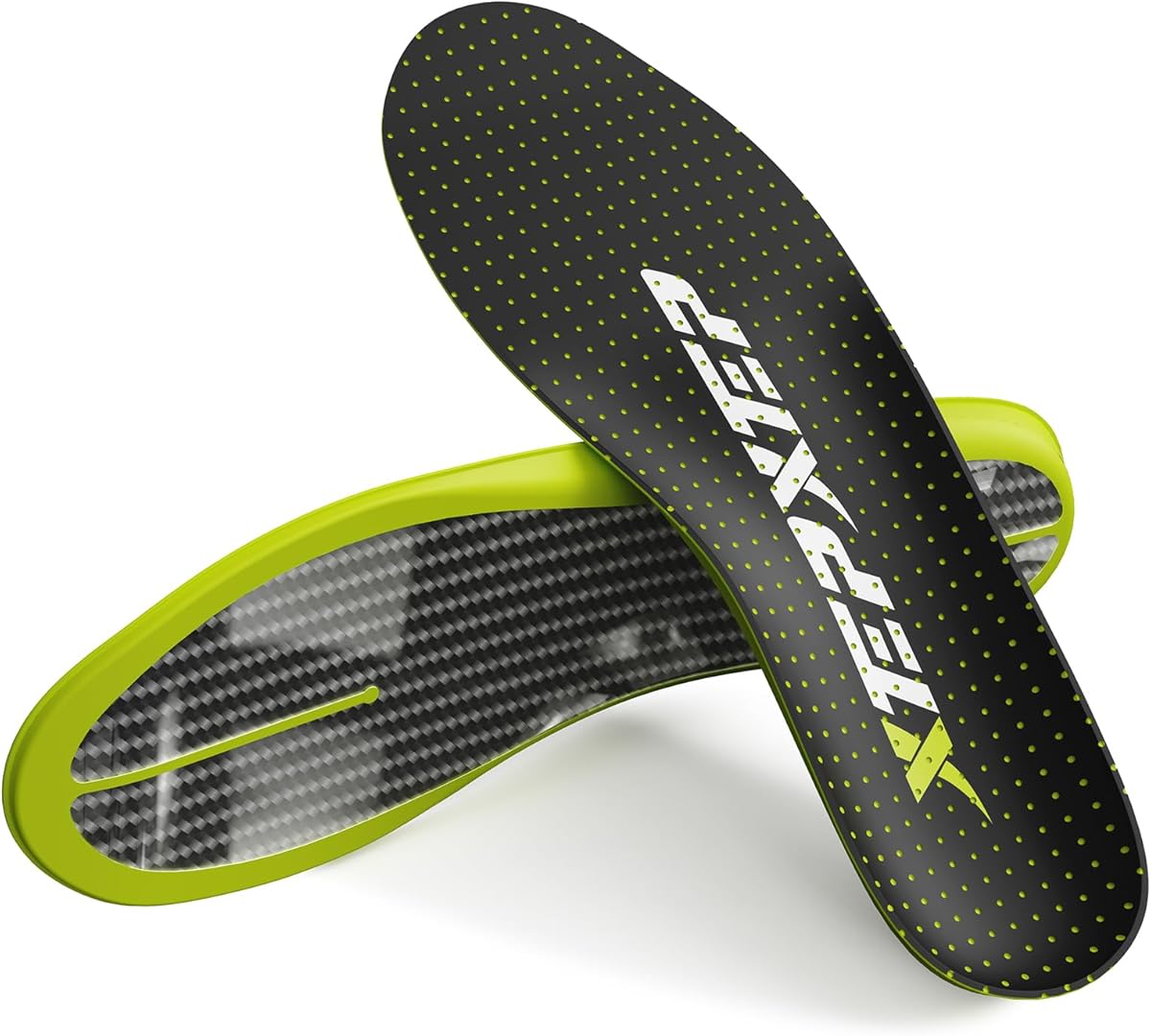
The 2026 Sport Carbon Fiber Performance Insoles target athletes seeking enhanced energy return and injury prevention through rigid carbon fiber construction. Unlike generic foam inserts, these claim to provide customized arch support through a heat-moldable process specifically for non-cleated athletic shoes used in basketball, volleyball, and racquet sports.
Key Considerations Before Buying
- Heat-moldable customization requires careful following of instructions—improper molding can create pressure points rather than personalized support.
- Carbon fiber's rigidity provides energy return but may require a break-in period, especially for athletes transitioning from softer orthotics.
- The multi-sport designation means these may not provide sport-specific optimization; volleyball's lateral movements differ biomechanically from running's linear motion.
What Our Analysts Recommend
Genuine carbon fiber insoles should maintain structural integrity without permanent deformation under load. Check for consistent layering in the carbon weave visible at the edges. Quality indicators include precise laser-cut edges that match your shoe's interior contours without bunching or shifting during explosive movements.
Insoles Market Context
Market Overview
The performance insole market has expanded beyond basic cushioning to include carbon fiber plates previously found only in premium running shoes. Brands now target court sport athletes with claims of improved vertical leap and injury prevention through energy return technology.
Common Issues
Many carbon fiber insoles fail at the heel-to-arch transition point during repeated impact, and heat-moldable versions sometimes lose customization after exposure to body heat during extended play. Athletes frequently report sizing discrepancies between advertised shoe sizes and actual insole dimensions.
Quality Indicators
Superior carbon fiber insoles feature a graduated flex pattern—rigid at the arch for propulsion but slightly forgiving at the forefoot for natural toe-off. Look for moisture-wicking top covers that maintain grip even during high-sweat activities, as slippage negates performance benefits.
Review Authenticity Insights
Grade B Interpretation
A Grade B authenticity rating with 10% estimated fake reviews indicates predominantly genuine feedback with minor manipulation concerns. For this product, the realistic distribution including a one-star review among mostly positive ratings suggests authentic user experiences rather than manufactured praise.
Trust Recommendation
Focus on reviews mentioning specific sports applications like basketball or volleyball rather than generic praise. The adjusted 4.20/5 rating excluding suspicious reviews represents a more reliable benchmark than the displayed 4.44/5 average.
Tips for Reading Reviews
Prioritize reviews discussing long-term durability over 2+ months of use, as carbon fiber's performance claims require sustained testing. Look for mentions of the heat-molding process details—vague references to 'customization' may indicate less experienced users.
Expert Perspective
The 2026 Sport Carbon Fiber Insoles present a legitimate attempt to bring carbon plate technology to court sports, though their multi-sport positioning may dilute sport-specific benefits. The 4.20 adjusted rating from verified analysis suggests genuine satisfaction among athletes who properly utilize the customization features. The product's differentiation lies in targeting non-cleated shoes specifically, addressing a gap in the carbon fiber insole market dominated by running-focused designs.
Purchase Considerations
These insoles warrant consideration if you regularly engage in jumping-intensive sports and have neutral to high arches that benefit from rigid support. However, athletes with existing foot conditions or those requiring significant medial/lateral stability should consult a podiatrist, as carbon fiber's rigidity may exacerbate certain biomechanical issues.
Comparing Alternatives
Compare with sport-specific carbon fiber options from brands like Currex and Powerstep that offer differentiated designs for basketball versus racquet sports.