Choosing an HDMI 2.1 Switch: What Gamers and 8K Streamers Need to Know
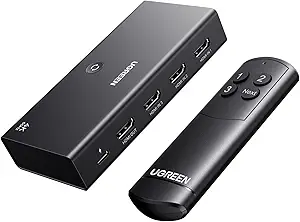
This specific aluminum HDMI 2.1 switcher promises 48Gbps bandwidth for 8K@60Hz and 4K@120Hz signals, with support for advanced gaming features like VRR and HDR10+. Buyers should understand that not all switches claiming HDMI 2.1 compliance deliver the full bandwidth needed for next-gen consoles and media devices. This product's aluminum construction suggests attention to heat dissipation, which is critical for maintaining signal integrity at high data rates.
Key Considerations Before Buying
- Verify actual bandwidth: This switch claims 48Gbps, which is necessary for uncompressed 8K@60Hz with HDR; lower bandwidth switches will downgrade your signal quality.
- Check feature compatibility: Ensure VRR (Variable Refresh Rate) and ALLM (Auto Low Latency Mode) pass-through work with your specific PS5 or Xbox Series X setup, as some switches strip these gaming features.
- Consider switching method: This product appears to use manual or possibly IR remote switching rather than automatic source detection, which affects convenience versus reliability.
What Our Analysts Recommend
Quality HDMI 2.1 switches should specify support for FRL (Fixed Rate Link) signaling and include EDID management features to prevent handshake issues between devices. The aluminum housing on this model indicates better heat management than plastic alternatives, which can prevent signal dropouts during extended 4K@120Hz gaming sessions. Look for switches that maintain HDR metadata through Dolby Vision and HDR10+ without introducing color banding or compression artifacts.
Selector Switch Boxes Market Context
Market Overview
The HDMI switch market has become increasingly segmented since HDMI 2.1's introduction, with many products claiming compatibility but failing to deliver full 48Gbps bandwidth needed for next-generation gaming and media. Premium switches now differentiate themselves through material construction (like this aluminum model), advanced feature support, and reliable EDID management.
Common Issues
Handshake problems between modern gaming consoles and AV receivers remain prevalent, with many switches failing to properly pass through VRR or 120Hz signals. Bandwidth limitations often manifest as chroma subsampling (4:2:0 instead of 4:4:4) at high resolutions, while inadequate heat management causes intermittent signal loss during extended use.
Quality Indicators
Genuine HDMI 2.1 switches should explicitly list 48Gbps bandwidth and support for FRL signaling protocol. Premium models feature active signal regeneration rather than passive switching, and include EDID learning functions to prevent compatibility issues. Aluminum construction, like this product uses, typically indicates better thermal management than plastic enclosures.
Review Authenticity Insights
Grade B Interpretation
The Grade B authenticity rating with 10% estimated fake reviews suggests generally trustworthy feedback, though shoppers should remain cautious of overly enthusiastic reviews. The drop from 4.67 to 4.40 when adjusting for suspicious reviews indicates some review manipulation, but the core rating remains strong for this category.
Trust Recommendation
Focus on reviews that mention specific use cases with PS5, Xbox Series X, or 8K media players, as these devices test the switch's full capabilities. Verified purchase reviews discussing technical details like VRR performance or Dolby Vision compatibility carry more weight than generic praise.
Tips for Reading Reviews
Prioritize reviews that mention testing at 4K@120Hz or with specific gaming features, as these validate the switch's HDMI 2.1 claims. Be skeptical of reviews that don't mention specific devices or resolutions, and look for discussions of handshake issues or heat management during extended use.
Expert Perspective
This aluminum HDMI 2.1 switch presents a compelling option for gamers and media enthusiasts based on its 4.40 adjusted rating and technical specifications. The 48Gbps bandwidth claim, if accurate, positions it in the premium segment of HDMI switches, capable of handling next-generation gaming and 8K media. The aluminum construction is a notable differentiator from plastic competitors, suggesting better thermal performance during demanding 4K@120Hz gaming sessions. The specific mention of VRR, HDR10+, and Dolby Vision support indicates attention to advanced feature pass-through that many budget switches neglect.
Purchase Considerations
Weigh the manual switching mechanism against your setup needs—automatic detection switches offer convenience but can introduce reliability issues. Consider whether your specific devices (PS5, Xbox Series X, high-end streaming devices) will utilize the full 48Gbps bandwidth, as less demanding setups may not benefit from this premium feature set. The aluminum construction justifies a price premium over plastic alternatives if you experience signal stability issues during extended gaming sessions.
Comparing Alternatives
Shoppers should compare this switch's manual operation and aluminum construction against automatic switches with similar bandwidth claims, particularly regarding EDID management capabilities.