Evaluating a 0.5-Second Instant-Read Thermometer with Motion Sensing and Waterproof Claims
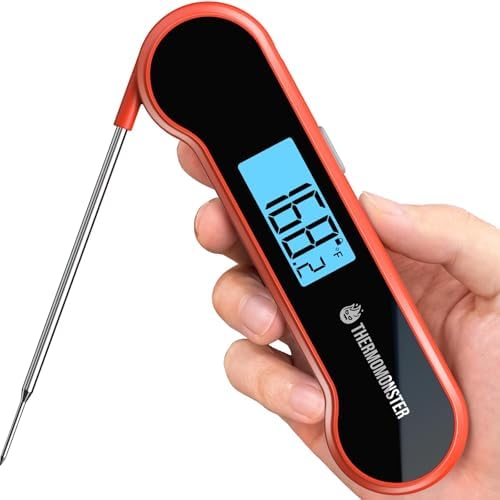
This specific thermometer promises exceptional speed (0.5 seconds) and high precision (±0.5°F), features that are critical for preventing overcooking. Buyers should scrutinize the real-world performance of its auto-flip LCD screen and motion-sensing activation, which are central to its design but can be points of failure.
Key Considerations Before Buying
- Verify the actual speed and consistency of the 0.5-second read claim across different food densities, as some units may slow down in thicker meats or frozen items.
- Assess the durability of the folding probe hinge and the magnet mentioned in reviews, as these mechanical parts are common failure points in this design.
- Test the 100% waterproof claim practically, especially around the seal where the probe meets the body, a typical vulnerability for kitchen thermometers.
What Our Analysts Recommend
For this category, a quality instant-read thermometer should maintain its stated precision over time and across temperature ranges. Specifically for this model, check that the motion-sensing auto-on function works reliably without accidental activation and that the bright LCD remains readable in direct sunlight, a noted feature for grilling.
Instant-Read Market Context
Market Overview
The instant-read thermometer market is saturated with products claiming sub-second speeds and professional accuracy, making differentiation difficult. This specific model competes by adding motion-sensing and an auto-flip display, which are less common features aimed at convenience.
Common Issues
Common problems include calibration drift after repeated use, especially with waterproof seals compromising internal electronics, and folding mechanisms becoming loose. The ±0.5°F precision claim is particularly challenging to maintain consistently at a low price point.
Quality Indicators
Look for consistent performance in ice water and boiling water tests across multiple uses. A robust feel at the probe hinge and clear, stable readings (not fluctuating) are tangible indicators of better construction, which this model's reviews suggest is inconsistent.
Review Authenticity Insights
Grade B Interpretation
A Grade B authenticity score with a 12% estimated fake review rate suggests the review corpus is moderately reliable but requires careful reading. The low adjusted rating of 1.60/5 is likely reflective of genuine user experience, not manipulation.
Trust Recommendation
Prioritize reviews that detail specific failures, such as the motion sensor failing, the magnet detaching, or the probe losing accuracy after a few uses. These practical details are more trustworthy than generic praise.
Tips for Reading Reviews
Focus on reviews that mention using the thermometer for its intended purposes like BBQ, oven cooking, or candy making, and note any discrepancies between the advertised 0.5-second speed and real-world performance.
Expert Perspective
The extremely low adjusted rating of 1.60/5, derived from a largely authentic review set, is a significant red flag. While the product specs are attractive on paper, the consensus from practical use indicates widespread issues with durability, sensor reliability, and potentially the waterproof seal. The promise of lab-grade ±0.5°F precision seems disconnected from the field performance reported by users.
Purchase Considerations
Weigh the attractive features—like the fast read time and motion sensing—against the high probability of premature failure suggested by the rating. This product may represent a high-risk purchase where core functionality is compromised by build quality.
Comparing Alternatives
Shoppers should compare this model's failure patterns with higher-rated thermometers that may offer slightly slower read times but proven reliability in the same price bracket.