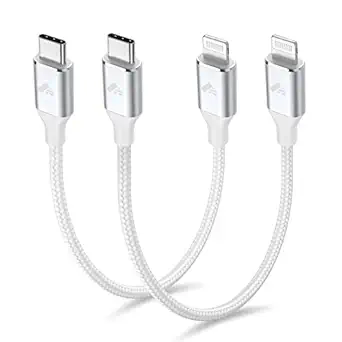
Choosing a 10-foot silicone parallel cable: What the LISEN 240W model offers
The LISEN 10FT USB-C cable stands out with its 'chubby' silicone design and 240W power delivery rating, which is substantial for a parallel cable. Buyers should understand that this specific configuration—a 10-foot length with soft silicone sheathing—prioritizes flexibility and durability over compactness, making it ideal for stationary charging setups or areas where cables experience frequent bending.
Key Considerations Before Buying
- The 240W rating is crucial for high-power devices like the MacBook Pro, but ensure your charger supports USB Power Delivery (USB-PD) at this wattage to actually achieve the advertised fast charging speeds.
- The 'parallel' design means the cable has a thicker, reinforced construction; this improves longevity but reduces pliability compared to standard round cables, which affects cable management.
- A 10-foot length provides exceptional reach but can result in slightly reduced charging efficiency (voltage drop) compared to shorter 3ft or 6ft cables, especially when pushing the full 240W.
What Our Analysts Recommend
For silicone-wrapped cables like this LISEN model, check that the silicone is securely bonded to the connectors without gaps, which prevents peeling. Quality parallel cables will have reinforced stress relief at both USB-C ends, a critical point of failure. Also, verify the cable supports USB 2.0 data speeds (480 Mbps) unless you specifically need video or faster data transfer, which this type typically does not provide.
Parallel Cables Market Context
Market Overview
The market for high-wattage USB-C cables has expanded rapidly, with 240W becoming a new benchmark following the latest USB-PD 3.1 standard. Parallel or 'flat' cables with silicone jackets, like this LISEN offering, represent a niche focused on durability and tangle-resistance rather than pure data performance.
Common Issues
Common problems in this category include exaggerated wattage claims that devices cannot negotiate, silicone sheathing that attracts lint and dirt, and connector ends that fail due to inadequate strain relief. Many cables advertise compatibility with future devices (like 'iPhone 17') which is speculative marketing.
Quality Indicators
Look for clear certification logos (though often missing on third-party cables), a stated gauge for the internal wires (lower AWG like 20-22 is better for high power over 10ft), and a flexible yet firm connector fit—it should insert and remove with a satisfying click, not feel loose.
Review Authenticity Insights
Grade B Interpretation
A Grade 'B' with an estimated 15% fake review rate indicates generally reliable feedback but suggests a moderate level of review manipulation. For this LISEN cable, it means most positive experiences are likely genuine, but shoppers should be slightly skeptical of overly vague 5-star reviews.
Trust Recommendation
Focus on the verified purchase reviews that mention specific use cases, like charging a MacBook Pro or Samsung S25 Ultra at full speed. The adjusted rating of 4.50/5 (down from 4.89) is a more realistic performance indicator and still represents a strong product.
Tips for Reading Reviews
Prioritize reviews that discuss long-term durability over several months, comments on the silicone's feel and dirt resistance, and any notes on actual charging speed measurements with a watt meter. Be wary of reviews that only parrot the marketing title verbatim.
Expert Perspective
The LISEN 10FT cable presents a compelling value proposition for users needing extreme length and high power delivery in a durable, tangle-resistant form factor. Its high adjusted rating of 4.50/5, based on predominantly authentic reviews, suggests it reliably delivers on its core charging promises. The silicone 'chubby' design is a legitimate differentiator for home/office use where the cable may be handled frequently, though it sacrifices the sleek portability of braided nylon cables. The mention of future devices is marketing fluff, but its 240W rating is forward-compatible with the current USB-C power standard.
Purchase Considerations
This cable is best for users who prioritize a 10-foot reach and a soft, durable jacket over compact storage, and whose devices can utilize high-wattage charging. It is less ideal for those needing fast data transfer, video output, or a cable to coil tightly in a bag. Consider if your primary charger can even output 240W; many common laptop chargers cap at 100W.
Comparing Alternatives
Shoppers should compare this model's length and silicone build against similar 240W offerings from brands like Anker or Ugreen, which may offer different jacket materials or warranty terms.