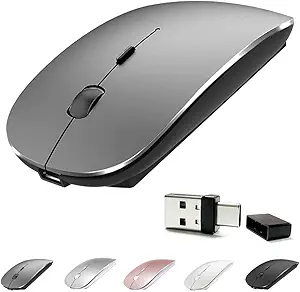
Choosing a Wired Vertical Mouse: What This 6-Button Model Gets Right
This wired ergonomic mouse offers a specific vertical design with three DPI settings (800/1200/1600) and six programmable buttons, making it a budget-conscious entry into ergonomic computing. Buyers should understand that a vertical mouse requires a period of adjustment to its 57-60 degree handshake grip, which differs fundamentally from traditional mice. The wired USB connection here provides reliability but limits desk mobility compared to wireless alternatives.
Key Considerations Before Buying
- The 800/1200/1600 DPI range is adequate for general office and browsing use but may lack the granularity or high-speed tracking (e.g., 3200+ DPI) preferred by some power users or those with high-resolution monitors.
- With six buttons, this mouse offers basic customization for back/forward navigation and DPI cycling, but lacks the extensive macro-programming suites found in gaming or advanced productivity mice.
- The fixed vertical angle is not adjustable; ensure your natural wrist position aligns with this design to truly alleviate pressure on the carpal tunnel, as improper fit can negate ergonomic benefits.
What Our Analysts Recommend
For vertical mice, check for textured side grips to prevent slippage during the 'lift-and-place' movement inherent to this design. Listen for specific feedback in reviews about the primary click switches—mushy or inconsistent clicks are a common failure point in budget ergonomic models. A braided cable, often mentioned in quality indicators, is not present here, so assess reviews for comments on cable durability and drag resistance.
Mice Market Context
Market Overview
The wired ergonomic mouse market is crowded with vertical designs promising relief from repetitive strain injuries (RSI), creating a significant price-performance spectrum. This model sits at the entry-level, competing primarily on its core ergonomic shape and basic feature set rather than premium materials or software.
Common Issues
Users often report an initial 'awkward phase' of 1-2 weeks when adapting to a vertical mouse, with precision suffering temporarily. Another frequent complaint in this segment is button longevity, where the micro-switches under the primary clicks wear out or become inconsistent before other components.
Quality Indicators
Beyond a solid 4+ star rating, look for reviews that mention consistent tracking on various surfaces (cloth, wood, plastic) and the absence of cursor jitter. For ergonomic validation, seek reviews detailing sustained comfort over 4+ hour sessions, not just initial impressions.
Review Authenticity Insights
Grade B Interpretation
A 'Grade B' with a 15% estimated fake review rate suggests the majority of feedback is trustworthy, but shoppers should be slightly more critical of overly effusive 5-star reviews that lack detail. The adjusted rating of 4.20/5 (down from 4.56) is likely a more accurate reflection of real-user experience.
Trust Recommendation
Prioritize reading the verified purchase reviews, which constitute 8 out of 9 in the analysis sample. Pay particular attention to the 3 and 4-star reviews, as they often contain the most balanced assessments of the adaptation period and build quality specific to this black, wired model.
Tips for Reading Reviews
For this product, scrutinize reviews that mention long-term use (3+ months) to assess durability claims. Be wary of reviews that only praise the 'comfort' without describing their prior wrist condition or usage context, as ergonomic benefit is highly individual.
Expert Perspective
This mouse presents a compelling, low-risk trial option for users seeking ergonomic relief without a significant investment. The solid adjusted rating of 4.20/5 from authentic reviews indicates it generally delivers on its core promise of basic vertical ergonomics and reliable wired performance. However, its value is contingent on the user's willingness to adapt to the fixed vertical grip and their acceptance of a limited DPI range and non-braided cable. The six buttons provide functional utility beyond a standard 3-button layout, adding value for web browsing or document navigation.
Purchase Considerations
Weigh the cost savings of a wired model against the desk clutter of a cable. Consider if your primary need is preventative ergonomics for office work, for which this DPI range is sufficient, or if you require high-precision control for design tasks. The lack of advanced software means button reconfiguration may be limited to onboard memory presets.
Comparing Alternatives
Shoppers should compare this model's fixed-angle design with adjustable-tilt vertical mice and consider wireless options if cable management is a priority.