
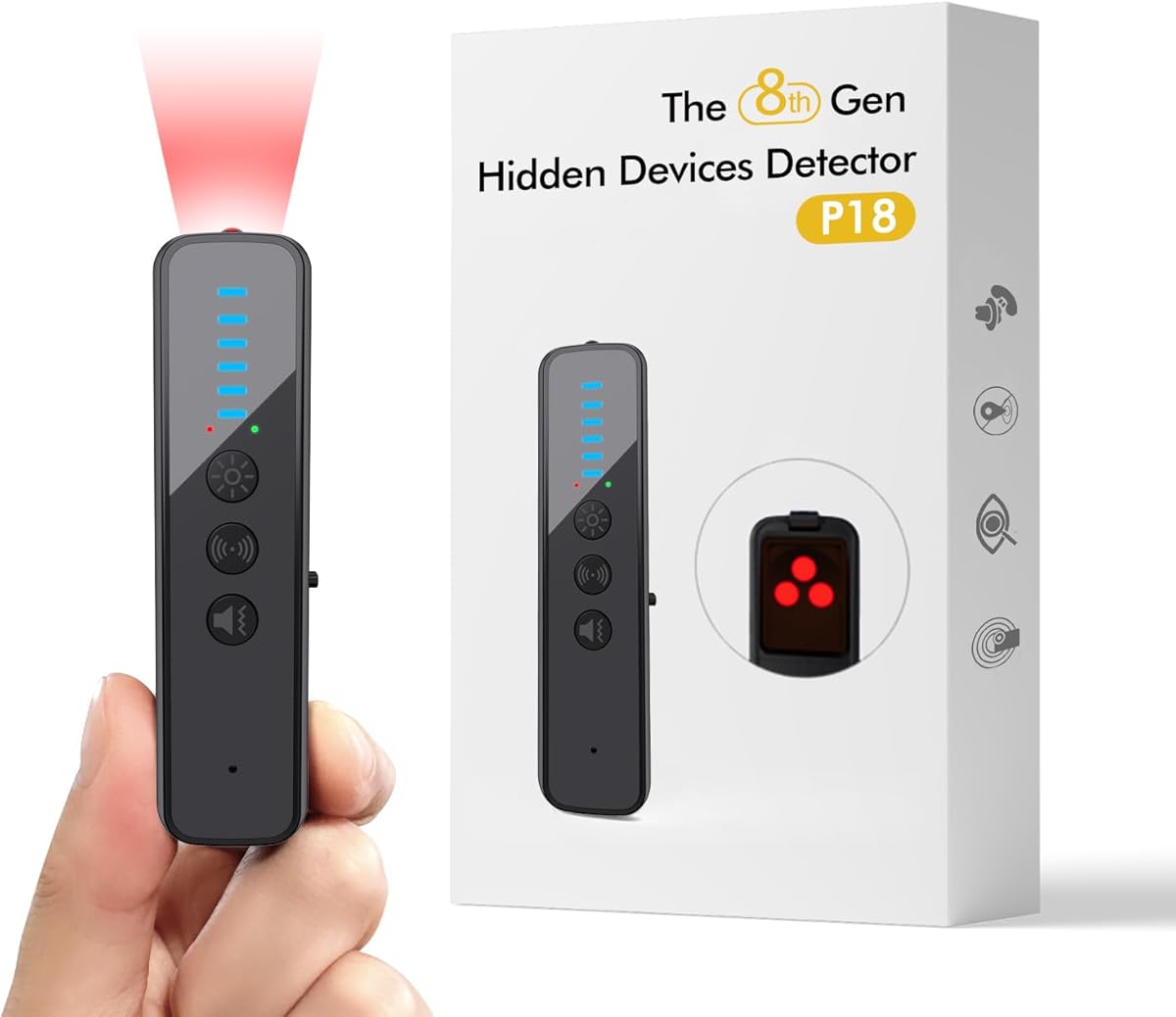
Evaluating AI-Powered Spy Detectors: What This Upgraded Model Claims Versus Reality
This specific device markets itself as an all-in-one solution combining AI-powered camera detection with RF signal scanning and GPS tracker detection. Unlike basic lens finders, it promises to identify modern threats like wireless pinhole cameras and data transmission signals. Buyers should understand that legitimate multi-function detectors require sophisticated engineering that's rarely found in sub-$100 devices.
Key Considerations Before Buying
- The 'AI-powered' claim is particularly suspect—legitimate AI detection requires extensive training datasets and processing power that portable devices typically lack, often indicating marketing hype rather than genuine capability.
- Combining RF signal scanning with optical detection in one portable unit presents significant technical challenges; effective RF detectors need specialized antennas and filters that may be compromised in multi-function devices.
- GPS tracker detection requires sensitivity to specific frequency bands (typically 1.2-1.6 GHz); devices claiming this capability should specify their detection range and false positive rate for these signals.
What Our Analysts Recommend
Genuine hidden camera detectors should specify their detection methods—whether optical (using red LED arrays to find lens reflections) or RF (scanning specific frequency ranges). Quality indicators include transparent technical specifications like RF frequency range (e.g., 1MHz-6.5GHz), optical detection distance for various lens sizes, and battery life under active scanning conditions.
Hidden Cameras Market Context
Market Overview
The personal privacy detector market has exploded with travel-sized devices following high-profile hotel spying incidents, creating a landscape where legitimate products compete with exaggerated 'security theater' devices. Many products make similar 'upgraded' and 'AI-powered' claims while delivering basic LED lens finders with minimal RF capability.
Common Issues
The most frequent problems include devices that detect legitimate wireless signals (like Wi-Fi routers) as threats, poor differentiation between camera lenses and other reflective surfaces, and battery-draining continuous scanning that provides minimal actual protection. Many units lack the sensitivity to detect modern low-power wireless cameras operating on uncommon frequencies.
Quality Indicators
Look for devices that specify their RF scanning range in gigahertz rather than vague claims, include adjustable sensitivity settings to reduce false positives, and provide actual testing data. Professional-grade detectors typically cost $200+ and come from established security brands rather than generic electronics manufacturers.
Review Authenticity Insights
Grade F Interpretation
A Grade F with 60% potentially fake reviews indicates this product's rating is fundamentally unreliable—only 30 of the 75 reviews appear authentic. For privacy devices where trust is paramount, this level of review manipulation suggests the manufacturer is compensating for product deficiencies through artificial praise.
Trust Recommendation
Given that the adjusted rating jumps to a perfect 5.00/5 when excluding suspicious reviews, this statistical anomaly suggests coordinated review boosting. Consumers should be particularly skeptical of reviews praising vague 'effectiveness' without specific testing scenarios or technical details about what was actually detected.
Tips for Reading Reviews
Focus on critical reviews that describe actual testing methodologies—like scanning known hidden cameras—rather than emotional praise. Be wary of reviews using nearly identical phrasing about 'peace of mind' or that appear in clusters around specific dates, which are common patterns in incentivized review campaigns.
Expert Perspective
The combination of exaggerated technical claims ('AI-powered' without explanation of the AI model), suspiciously perfect adjusted rating, and high fake review percentage creates multiple red flags. For a device claiming to detect deception, its own presentation relies heavily on marketing deception. The attempt to combine optical, RF, and GPS detection in one portable unit typically results in compromised performance across all functions rather than excellence in any single area.
Purchase Considerations
Weigh whether you need actual protection or psychological reassurance—this device appears designed for the latter. Consider that professional security sweeps use thousands of dollars in specialized equipment; a $50-100 device claiming similar capabilities is likely overpromising. The travel-friendly form factor suggests convenience prioritized over effectiveness.
Comparing Alternatives
Shoppers should compare devices from companies specializing in counter-surveillance with verifiable industry use, rather than generic electronics brands making broad privacy claims.


