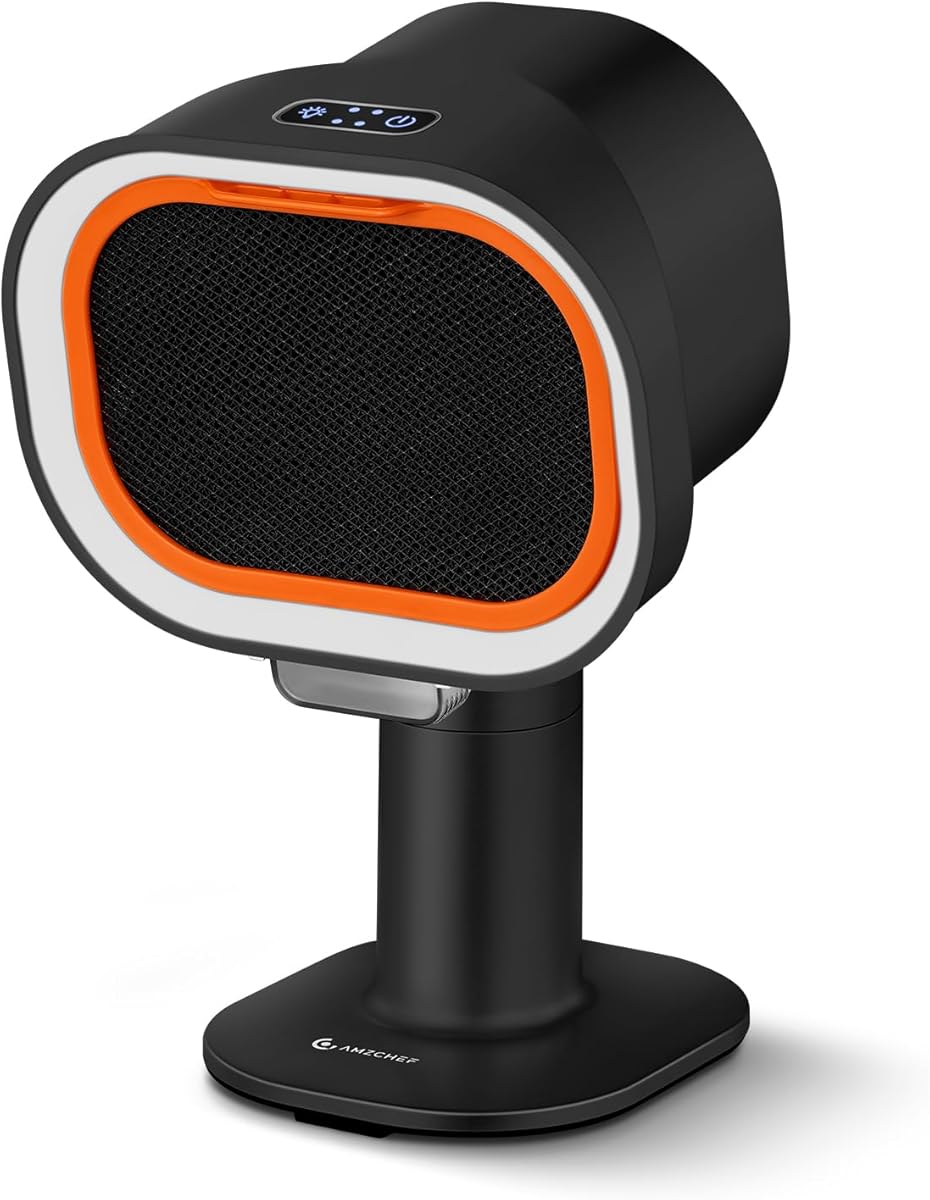
Choosing a Portable Range Hood: Key Features for Indoor Cooking Flexibility
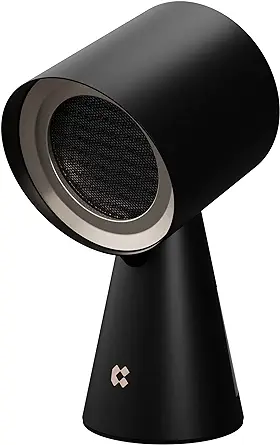
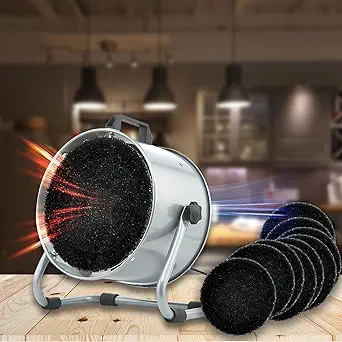
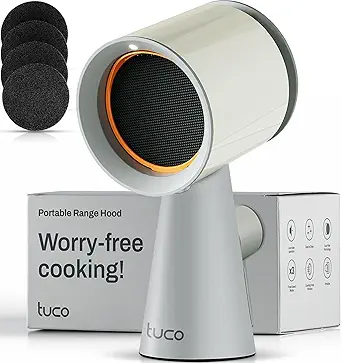
Portable range hoods like this model with telescoping height and 40° tilt offer unique solutions for non-traditional cooking scenarios. Unlike built-in hoods, this product's value lies in its adaptability for indoor BBQ, hot pot gatherings, or RV kitchens where ventilation is limited. The included large-caliber aluminum filter and 10 carbon cotton filters indicate a focus on grease and odor capture in temporary setups.
Key Considerations Before Buying
- The 52dB noise rating is crucial for portable use—compare this to conversation volume (60dB) to ensure it won't disrupt your cooking environment, especially in small spaces like RVs or apartments.
- Telescoping height adjustment (likely 24-36 inches based on similar models) must accommodate your specific cookware; measure from your induction cooker or hot pot to the hood's mounting point before purchasing.
- The 4-speed fan needs sufficient CFM (cubic feet per minute) for your cooking intensity; indoor BBQ generates more smoke than light sautéing, requiring higher speed settings.
What Our Analysts Recommend
Quality portable hoods feature weighted bases for stability during telescoping extension and secure tilt mechanisms that won't sag under filter weight. Examine the aluminum filter's mesh density—finer mesh captures more grease but requires more frequent cleaning. The oil cup should have adequate capacity (at least 200ml) for extended cooking sessions without overflow.
Range Hoods Market Context
Market Overview
The portable range hood market has expanded beyond commercial use to residential applications, driven by open-concept living and indoor cooking trends. Products in this niche typically sacrifice some power (300-400 CFM versus 600+ CFM for built-in hoods) for mobility and easy installation without ductwork.
Common Issues
Portable units often struggle with balancing adequate suction power against noise levels, with cheaper models exceeding 65dB. The telescoping mechanisms can develop wobble over time, and plastic components near heat sources may warp during extended hot pot or BBQ sessions.
Quality Indicators
Look for all-metal fan housings that dissipate motor heat better than plastic, and check for UL certification for electrical safety. Higher-end portable hoods use brushless DC motors for quieter operation and include both aluminum mesh and activated carbon filters for dual-stage filtration.
Review Authenticity Insights
Grade B Interpretation
A Grade B authenticity rating with 15% estimated fake reviews suggests generally reliable feedback but requires careful review scrutiny. The adjusted rating of 3.90/5 (down from 4.27) indicates some review inflation, particularly regarding noise claims or filter longevity.
Trust Recommendation
Focus on verified purchase reviews discussing specific use cases like RV cooking or indoor Korean BBQ—these tend to be more genuine. Be skeptical of reviews claiming 'perfect' performance at all four speeds or those that don't mention filter maintenance.
Tips for Reading Reviews
Prioritize reviews that mention actual measurements (like 'reduced smoke by 70% during hot pot') over vague praise. Look for discussions about the telescoping mechanism's stability at maximum extension and how frequently users replace the carbon cotton filters during regular use.
Expert Perspective
This portable hood's combination of telescoping height, tilt adjustment, and included filter package makes it particularly suited for multi-use scenarios where cooking height varies. The 52dB noise rating is competitive for this category, though actual performance may vary at higher speed settings. The significant drop from 4.27 to 3.90 in adjusted rating suggests some performance aspects—likely suction power or durability—may not meet all expectations. The inclusion of 10 carbon filters indicates the manufacturer expects frequent replacement, which adds to long-term costs.
Purchase Considerations
Evaluate whether your primary need is odor control (carbon filters) or grease capture (aluminum filter), as this dual-filter system requires maintenance of both components. Consider the hood's footprint relative to your cooking surface—portable units need proper alignment over heat sources to be effective.
Comparing Alternatives
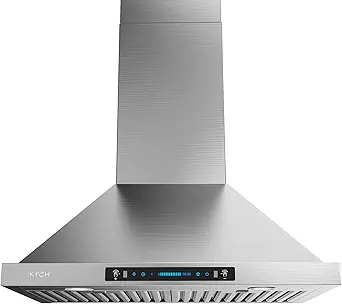
Compare this model's telescoping range and filter costs against competitors like Hauslane's portable hood or IKTCH's telescoping extractor to assess value.