
Choosing a Bluetooth AUX adapter: Key factors for car audio and home stereo systems
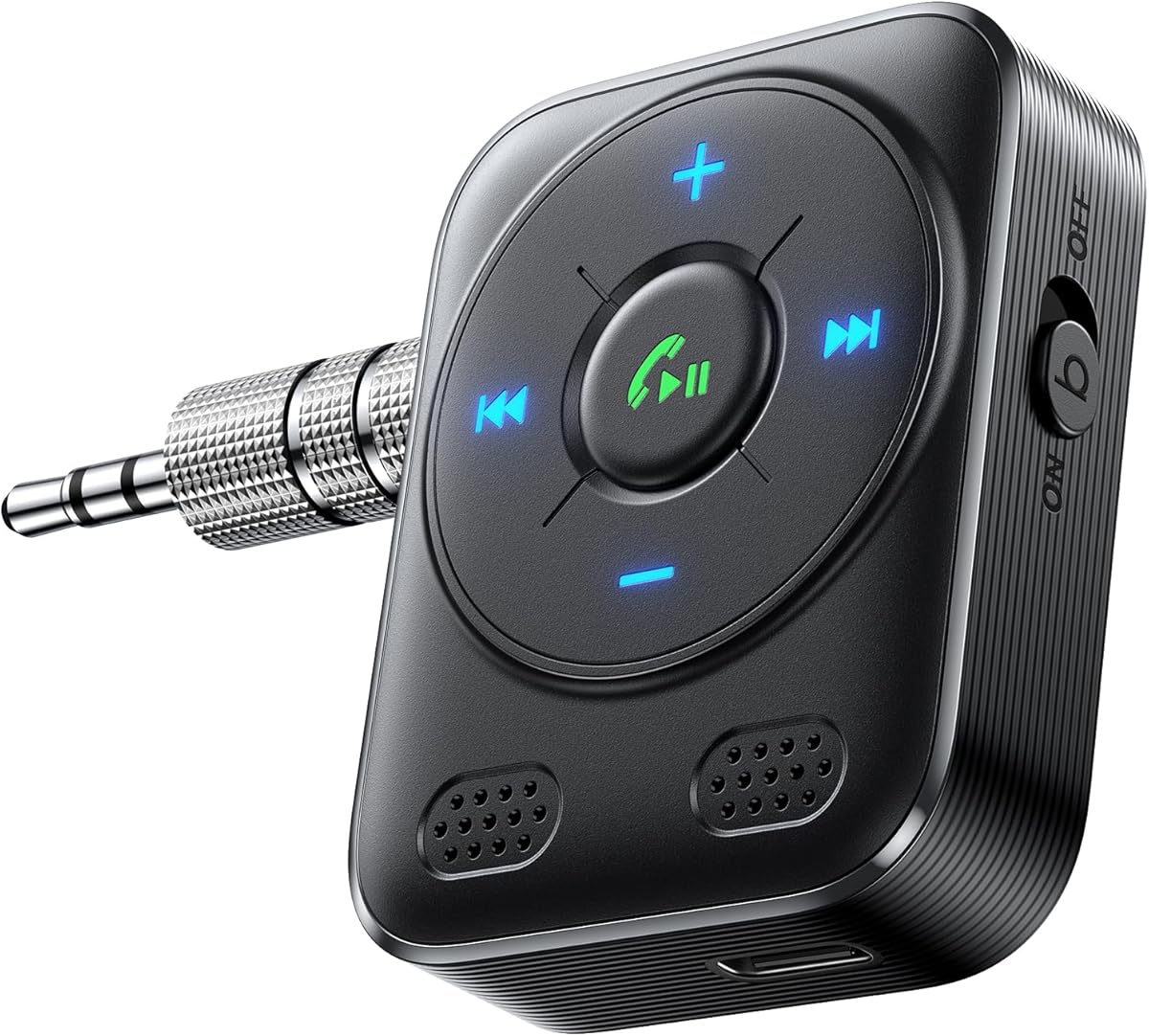
The JOYROOM 2026 adapter exemplifies the modern Bluetooth-to-AUX solution, specifically designed to bridge older audio equipment with current wireless standards. Buyers should understand that not all adapters deliver the same audio quality or hands-free performance, even when sharing similar Bluetooth 5.4 specifications.
Key Considerations Before Buying
- Audio codec support is critical: While this JOYROOM model emphasizes BASS & HiFi Stereo, the actual listening experience depends on the supported codecs (like SBC or AAC) and the quality of its internal DAC, which converts the digital Bluetooth signal to an analog AUX output.
- Real-world battery life versus claimed 16-hour playtime: For car use, consider if the adapter can be powered via USB during operation to avoid battery drain, as actual runtime can vary with volume and connection stability.
- Dual-microphone array for calls: This feature aims to reduce cabin noise during hands-free calls. Its effectiveness depends on microphone placement and noise-cancellation algorithms, which vary significantly between models.
What Our Analysts Recommend
Prioritize adapters with clear specifications for audio SNR (Signal-to-Noise Ratio) and low latency for video sync. Physical build quality, like a robust AUX plug and non-slip casing for dashboard placement, are tangible indicators of durability. Verified reviews mentioning seamless auto-reconnection are a strong positive signal.
Bluetooth Network Adapters Market Context
Market Overview
The Bluetooth AUX adapter market is saturated with products claiming similar specs, making differentiation difficult. The trend is toward Bluetooth 5.3/5.4 for improved range and stability, and multi-point pairing, though the JOYROOM 2026 appears focused on core audio and call functionality.
Common Issues
Common pain points include audible hiss or ground loop noise through the AUX output, poor microphone pickup in noisy environments, and unreliable auto-power-on/off features that drain the battery. Interference from other 2.4GHz devices in cars can also cause audio dropouts.
Quality Indicators
Look for detailed technical notes on audio output power (e.g., ≥15mW), battery capacity in mAh (not just 'hours'), and chipset mentions (like Qualcomm QCC). A transparent warranty and support policy is more telling than vague promises. Products that specify compatibility with specific car model aux ports show greater design consideration.
Review Authenticity Insights
Grade B Interpretation
A Grade 'B' with an estimated 15% fake review rate suggests a generally trustworthy review pool with minor inauthentic activity. For this JOYROOM adapter, the high 4.89/5 rating should be mentally adjusted closer to the 4.5/5 adjusted score, which remains excellent for this category.
Trust Recommendation
Focus on the verified purchase reviews, which are all marked 'V'. Pay particular attention to 3- and 4-star reviews for balanced insights on audio quality and battery life, as these are less likely to be manipulated and often detail specific pros and cons.
Tips for Reading Reviews
Search reviews for mentions of 'hiss', 'calls', and 'battery' to find discussions on the most common failure points. Reviews that compare this 2026 model to older JOYROOM versions or direct competitors provide valuable context for the product's evolution and market position.
Expert Perspective
The JOYROOM 2026 presents a strong offering based on its high adjusted rating of 4.5/5 from verified purchases. Its focus on Bluetooth 5.4, a dedicated bass enhancement claim, and 16-hour battery targets the core needs of users modernizing car stereos or home systems. The high rating, even after authenticity adjustment, indicates it likely performs reliably in its core function of providing stable wireless audio. The LED button design is a practical differentiator for in-car use.
Purchase Considerations
Weigh the importance of call clarity versus pure music playback. If hands-free calling is a priority, scrutinize reviews about microphone performance. Consider your audio source: high-bitrate streaming from a modern phone will better reveal the adapter's audio limits than compressed podcasts. The lack of mentioned multi-point connectivity may be a limitation for users switching between multiple devices.
Comparing Alternatives
Shoppers should compare the audio output specification and warranty terms with adapters from brands like UGREEN or Anker, which may offer different balances of price, codec support, and form factor.


