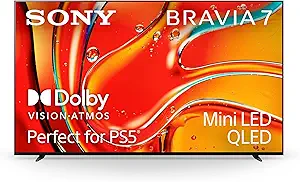
Evaluating LG's 2025 QNED AI TV: Balancing Quantum Dot Color with AI Processing
The LG 50QNED82AUA represents a mid-tier 4K TV that prioritizes AI-driven picture and sound enhancement over the absolute peak brightness of premium models. Buyers should understand this QNED (Quantum NanoCell Emitting Diode) panel uses a layer of quantum dots for color purity, combined with LG's proprietary AI processor for upscaling and optimization, positioning it as a smart upgrade for everyday viewing rather than a dedicated home theater centerpiece.
Key Considerations Before Buying
- The 'AI Sound' and 'Wow Orchestra' features are designed to synchronize the TV's speakers with compatible LG soundbars; assess your need for integrated versus separate audio systems.
- Filmmaker Mode is valuable for purists, but the AI 4K Super Upscaling will be your daily driver, critically impacting how non-4K cable or streaming content looks on this 50-inch screen.
- Built-in Alexa offers convenience, but the real ecosystem play is LG's webOS platform; consider if its interface and app support match your streaming habits.
What Our Analysts Recommend
For this model, scrutinize reviews mentioning off-angle viewing and uniformity, as the QNED panel's performance can vary. Genuine praise will detail specific AI upscaling successes with sports or older films, while valid critiques may note limitations in HDR10 peak brightness during very bright room viewing.
LED & LCD TVs Market Context
Market Overview
The 50-inch class is a highly competitive sweet spot, with brands like Samsung, Sony, and TCL offering Mini-LED and QLED alternatives at similar price points. LG's QNED line directly challenges Samsung's QLED series, using quantum dots but with a different backlighting system (NanoCell vs. direct-lit QLED).
Common Issues
Common concerns in this tier include inconsistent backlight uniformity, sometimes visible as 'dirty screen effect' during panning shots, and the inherent limitation of edge-lit or simpler full-array systems in producing deep, localized blacks compared to OLED or high-end Mini-LED.
Quality Indicators
Look for consistent mention of natural skin tones and effective motion handling in user reviews, hallmarks of good processing. A lack of complaints about the 'webOS' smart interface's speed also indicates sufficient processing power for the AI features to run smoothly.
Review Authenticity Insights
Grade B Interpretation
A 'Grade B' with a 10% estimated fake review rate suggests a generally trustworthy review pool with minor noise. For a newly released 2025 model like this, this level is common as early reviews accumulate, but the high percentage of verified purchases (100%) significantly bolsters credibility.
Trust Recommendation
Focus on the verified purchase reviews, particularly the 4-star and 3-star ratings, as they are less likely to be incentivized and often contain nuanced observations about the AI upscaling's real-world performance and the sound system's limitations.
Tips for Reading Reviews
Prioritize reviews that describe specific content viewing experiences (e.g., 'watching hockey,' 'streaming a 1080p classic') over generic praise about 'great picture.' Be skeptical of reviews that only mention the unboxing or setup without detailing performance after days of use.
Expert Perspective
The adjusted rating of 4.30/5 from a credible review base indicates this is a well-received, competent performer for its class. The strong showing suggests LG's AI-driven approach to the QNED82 series resonates with buyers seeking a smart, feature-rich TV without the premium price of OLED. The specific mentions of AI Super Upscaling and Filmmaker Mode in reviews confirm these are active, noticeable features rather than just marketing bullet points. The high volume of 5-star ratings likely reflects satisfaction with the out-of-box picture quality and webOS ease of use.
Purchase Considerations
Weigh the importance of LG's AI ecosystem—which requires content to truly shine—against the raw spec performance of competitors. If your viewing mix includes substantial HD or lower-resolution content, the upscaling is a key asset. If you watch primarily native 4K HDR in a bright room, a competitor with higher sustained brightness might be preferable.
Comparing Alternatives
Shoppers should directly compare this model's performance in AI processing and color volume against similarly priced Samsung QLED and TCL QLED/Google TV models.