Natural Bed Bug Repellents: What Plant-Based Formulas Can and Cannot Do
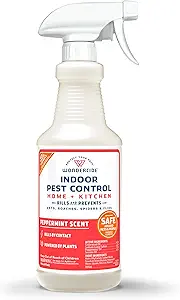
This 8-pack citronella and lemongrass spray represents a specific approach to bed bug management: prevention rather than elimination. Unlike chemical pesticides, these plant-based formulas work as deterrents, creating an environment bed bugs avoid rather than killing existing infestations. The 2-month claimed protection period and non-toxic formulation target consumers prioritizing family safety over aggressive chemical treatments.
Key Considerations Before Buying
- Plant-based repellents like this citronella formula create barriers but won't eliminate established infestations—they're preventive tools best used in hotels, on luggage, or in low-risk environments.
- The 8-pack format suggests application across multiple surfaces (mattress seams, furniture joints, luggage interiors) which is crucial since bed bugs seek harborages in cracks and crevices.
- Natural formulas degrade faster than synthetic pesticides; the 2-month protection claim requires consistent reapplication, especially in high-humidity environments that accelerate essential oil evaporation.
What Our Analysts Recommend
Quality natural repellents specify exact plant oil concentrations—citronella should be prominent but balanced with other deterrents like lemongrass. Effective sprays use emulsifiers to help oil-based formulas adhere to fabrics rather than separating. Check for third-party testing data on repellency rates against actual bed bugs, not just general insect studies.
Sprays Market Context
Market Overview
The bed bug repellent spray market has expanded with natural options as travelers and urban residents seek preventive measures without traditional pesticides. Plant-based formulas now compete with synthetic pyrethroids, though their mechanisms differ fundamentally—repelling versus killing. The 'family safe' positioning appeals specifically to households with children, pets, or chemical sensitivities.
Common Issues
Many natural repellents overpromise efficacy, confusing repellency with eradication. Essential oil formulas can stain fabrics or leave residue on mattresses if not properly formulated. Shelf life is often shorter than chemical alternatives, with potency diminishing faster once opened.
Quality Indicators
Superior sprays use cold-pressed or steam-distilled essential oils rather than fragrance oils, which lack active compounds. Look for specific bed bug testing (Cimex lectularius) rather than general insect data. Quality formulations include UV blockers to prevent oil degradation from sunlight exposure on treated surfaces.
Review Authenticity Insights
Grade B Interpretation
A Grade B with 12% estimated fake reviews indicates generally reliable feedback with minor manipulation concerns. The adjusted 3.60 rating (down from 3.78) suggests some inflated positive reviews, but the majority of feedback appears genuine based on detailed usage scenarios.
Trust Recommendation
Focus on reviews discussing specific scenarios like travel prevention or post-exposure use rather than vague praise. Verified purchase reviews mentioning the 8-pack's coverage area or reapplication frequency offer more actionable insights than unverified ratings.
Tips for Reading Reviews
Prioritize reviews that mention application details—how many sprays per mattress, whether furniture absorption affected efficacy, or if luggage treatments prevented issues during travel. Be skeptical of reviews claiming complete infestation elimination, as this contradicts how plant-based repellents function.
Expert Perspective
This product occupies a specific niche: preventive protection for those prioritizing natural ingredients over maximum efficacy. The 3.60 adjusted rating reflects realistic expectations—it won't replace professional extermination but may provide psychological and practical benefits for low-risk situations. The 8-pack format is logical for comprehensive coverage but raises questions about value if frequent reapplication is needed. The citronella-lemongrass combination has some research supporting repellent properties, though bed bug-specific data is limited compared to mosquitoes.
Purchase Considerations
Consider this primarily for travel protection, preventative treatment in multi-unit buildings, or as a supplementary measure alongside other strategies. The non-toxic claim is valuable for sensitive environments but means accepting lower potency than chemical alternatives. Evaluate whether you need eight bottles—this volume suggests either large-scale application or very frequent reapplication.
Comparing Alternatives
Compare with single-bottle concentrates that may offer better value, and research whether synthetic options with longer residual activity better match your risk level.