
Evaluating 11-inch scalp analyzers: What home users and salons should verify first
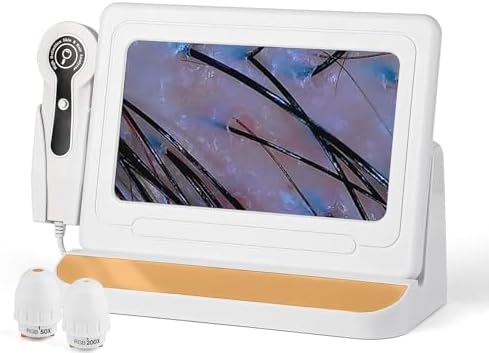
This 11-inch HD screen scalp analysis machine represents a specific niche in hair diagnostics: a standalone device with dual 50x/200x magnification that doesn't require smartphone apps. Unlike smaller handheld units, its large screen and dual-lens system suggest it's designed for both detailed self-examination and client consultation in salon settings. Buyers should understand that this category bridges professional-grade equipment and consumer accessibility.
Key Considerations Before Buying
- The 50x magnification is typically for overall scalp condition assessment, while 200x provides follicle-level detail—verify if both lenses offer sufficient clarity for identifying issues like folliculitis or miniaturization.
- Since it's 'No App Required,' assess the built-in screen's resolution and whether it can capture/store images for tracking progress over time, a crucial feature for treatment monitoring.
- Consider the lighting system: effective scalp analysis requires even, shadow-free illumination to reveal conditions like sebum buildup or inflammation that might be missed with poor lighting.
What Our Analysts Recommend
Quality indicators include lens clarity without chromatic aberration at both magnifications, consistent LED illumination without hot spots, and stable image capture functionality. Since this device targets both home and salon use, check for durability in the adjustable arm mechanism and whether the base provides stable positioning on various surfaces. The absence of app dependency should mean intuitive onboard controls rather than limited functionality.
Scalp Treatments Market Context
Market Overview
The scalp analysis market has expanded from professional-only devices to consumer models, creating a wide quality spectrum. This 11-inch model competes with both smaller handheld consumer microscopes and expensive salon systems, positioning itself as a hybrid solution. Recent trends show increased demand for at-home diagnostic tools as consumers become more proactive about hair health.
Common Issues
Many consumer-grade scalp analyzers suffer from insufficient magnification for meaningful diagnosis, poor lighting that obscures key details, or unstable stands that make examination difficult. App-dependent models often face compatibility issues across devices, making this 'no app' approach potentially advantageous if the onboard system is robust.
Quality Indicators
Superior devices demonstrate clear differentiation between healthy follicles and problematic conditions, offer consistent focus across the viewing area, and provide reliable image capture. The dual-lens system should show meaningful detail progression between 50x and 200x, not just digital zoom enhancement. Build quality matters significantly since these devices require precise positioning.
Review Authenticity Insights
Grade U Interpretation
The 'Grade U' with 0.00% estimated fake reviews and zero total ratings indicates this product lacks established review history, making it impossible to assess real-world performance. This doesn't necessarily indicate poor quality but rather that no verified purchase feedback exists to validate manufacturer claims about the HD screen or lens performance.
Trust Recommendation
Given the complete absence of verified reviews, prioritize sellers with reliable return policies and seek independent video demonstrations showing actual image quality. Since this is a diagnostic tool, consider purchasing from retailers that allow returns if the device doesn't meet your specific needs for clarity or usability.
Tips for Reading Reviews
When reviews eventually appear, focus on detailed feedback about image clarity at both magnifications, ease of positioning the device on one's own head, and longevity of the LED lighting system. Look for reviews that mention specific scalp conditions they were able to identify or monitor with the device.
Expert Perspective
This 11-inch scalp analyzer presents an interesting proposition with its large standalone screen and dual magnification system, potentially addressing frustrations with smaller smartphone-dependent devices. However, the complete lack of verified reviews (0.00 rating with Grade U) creates significant uncertainty about whether the actual image quality matches the 'HD' claims or if the 200x lens provides diagnostically useful detail. The hybrid home/salon positioning suggests versatility but requires validation of both ease of self-use and professional consultation capabilities.
Purchase Considerations
Weigh the convenience of a standalone device against potentially higher cost compared to app-based alternatives. Consider whether the 11-inch screen size provides meaningful advantage over smaller displays for your intended use—particularly for salon practitioners showing clients their scalp conditions. The dual-lens system should offer distinct diagnostic value, not just marketing appeal.
Comparing Alternatives
Shoppers should compare this device's specifications against both dedicated salon systems and consumer-focused models to determine if its hybrid approach justifies the investment.


