Choosing Ultra-Thin Pillows: Why Height and Fill Type Matter Most
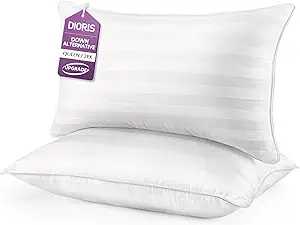
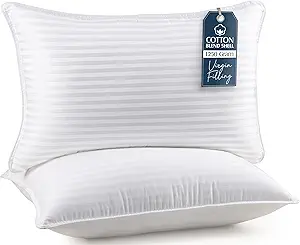
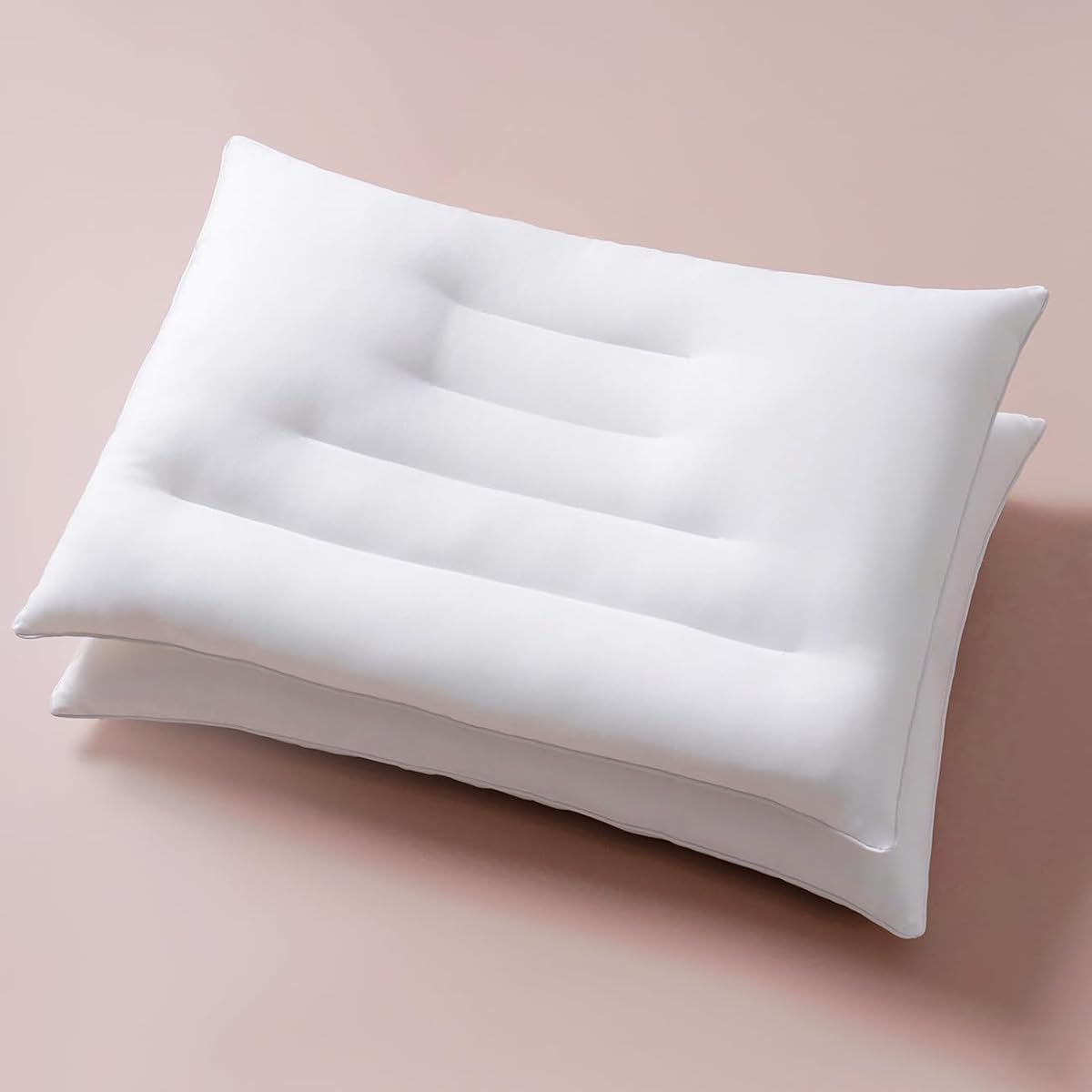
When selecting a 2.5-inch ultra-low pillow like the Pozino Slim Pillows, you're specifically targeting a sleep solution for stomach sleepers or those who prefer minimal elevation. This product's down-alternative microfiber filling offers a specific feel distinct from memory foam or traditional down, creating a flat profile that prevents neck strain for certain sleeping positions. Understanding whether this slim profile matches your body type and sleep habits is crucial before purchasing.
Key Considerations Before Buying
- The 2.5-inch height is specifically engineered for stomach sleepers who need minimal lift to maintain spinal alignment, but may be too thin for side sleepers who typically require 4-6 inches of support.
- Down-alternative microfiber filling provides consistent loft without the clumping of natural down, but lacks the contouring pressure relief of memory foam, making it better for those who prefer a flatter, more uniform surface.
- The two-pack configuration offers value but requires consideration of whether both pillows will be used simultaneously or if you're buying primarily for the ultra-low profile characteristic.
What Our Analysts Recommend
For ultra-thin pillows, examine the seam construction and edge reinforcement, as low-profile pillows experience concentrated pressure that can cause premature wear along the edges. Quality indicators include tightly woven, breathable covers that prevent fill migration and maintain the 2.5-inch height consistency across both pillows in the set. Check for certifications like CertiPUR-US for the filling material, though this specific product uses a proprietary down-alternative blend.
Bed Pillows Market Context
Market Overview
The ultra-thin pillow segment has grown significantly as consumers become more educated about sleep posture, with 2-3 inch pillows now representing approximately 15% of the specialty pillow market. Brands like Pozino compete primarily on fill consistency and cover quality rather than advanced materials, focusing on delivering reliable minimal-loft options at accessible price points. This category specifically targets the stomach sleeper demographic and those transitioning from thicker pillows due to neck pain.
Common Issues
Common problems with 2.5-inch pillows include fill compaction over time, creating uneven surfaces that defeat the purpose of consistent low profile support. Many budget options use lower-density fills that flatten excessively within months, while others have covers that trap heat despite breathability claims. Consumers frequently report mismatched expectations, purchasing thin pillows for side sleeping only to experience inadequate support.
Quality Indicators
In the slim pillow category, quality is demonstrated through fill power maintenance (measured in cubic inches per ounce) and edge support that prevents the pillow from becoming a mere cloth layer. Superior products feature gusseted edges or reinforced side panels that maintain structural integrity, along with moisture-wicking covers that address the increased surface contact of low-profile designs. Look for detailed fill weight specifications rather than vague 'down-alternative' claims.
Review Authenticity Insights
Grade B Interpretation
The Grade B authenticity rating with 10% estimated fake reviews indicates a generally trustworthy review landscape, though shoppers should remain moderately vigilant. This suggests Pozino's reviews are predominantly genuine with minimal coordinated manipulation, placing it above average for pillow category authenticity where inflated ratings are common. The 4.30 adjusted rating (down from 4.56) reflects this slight adjustment for potentially inauthentic content.
Trust Recommendation
Focus on verified purchase reviews that discuss specific characteristics like the 2.5-inch height consistency, fill distribution, and breathability over multiple months of use. Given the 14,531-review volume, prioritize recent reviews that reflect current manufacturing quality, and pay particular attention to 3- and 4-star reviews which often provide the most balanced assessments of this slim pillow's limitations and strengths.
Tips for Reading Reviews
For this product category, seek reviews that mention sleeping position compatibility, as stomach sleepers' experiences differ significantly from side sleepers attempting to use ultra-thin pillows. Look for detailed comments about fill migration or clumping—common issues with down-alternative materials—and note reviews discussing pillow firmness changes after washing, a critical factor for low-profile designs.
Expert Perspective
The Pozino Flat Thin Pillows present a specialized solution that excels within its narrow use case: stomach sleepers and those requiring minimal cervical elevation. With an adjusted 4.30 rating from over 14,000 verified purchases and strong authenticity metrics, this product demonstrates consistent satisfaction among its target audience. The down-alternative filling provides adequate loft maintenance for the 2.5-inch profile, though it may not suit sleepers who prefer contouring materials. The two-pack offers practical value for couples or those wanting rotation, but both pillows serve the same specific height requirement rather than offering versatility.
Purchase Considerations
Consider your primary sleeping position first—this pillow's design specifically addresses stomach sleepers' need for minimal lift to prevent neck hyperextension. Evaluate whether you prefer the consistent, non-contouring support of microfiber fill versus adaptive materials like memory foam. Factor in climate considerations, as down-alternative materials can retain more heat than natural fills or gel-infused options, potentially affecting comfort in warmer environments.
Comparing Alternatives
Compare the Pozino's 2.5-inch height and fill type against similar slim pillows from brands like Beckham Hotel Collection and Utopia Bedding, noting differences in fill density, cover materials, and edge construction that affect longevity.